
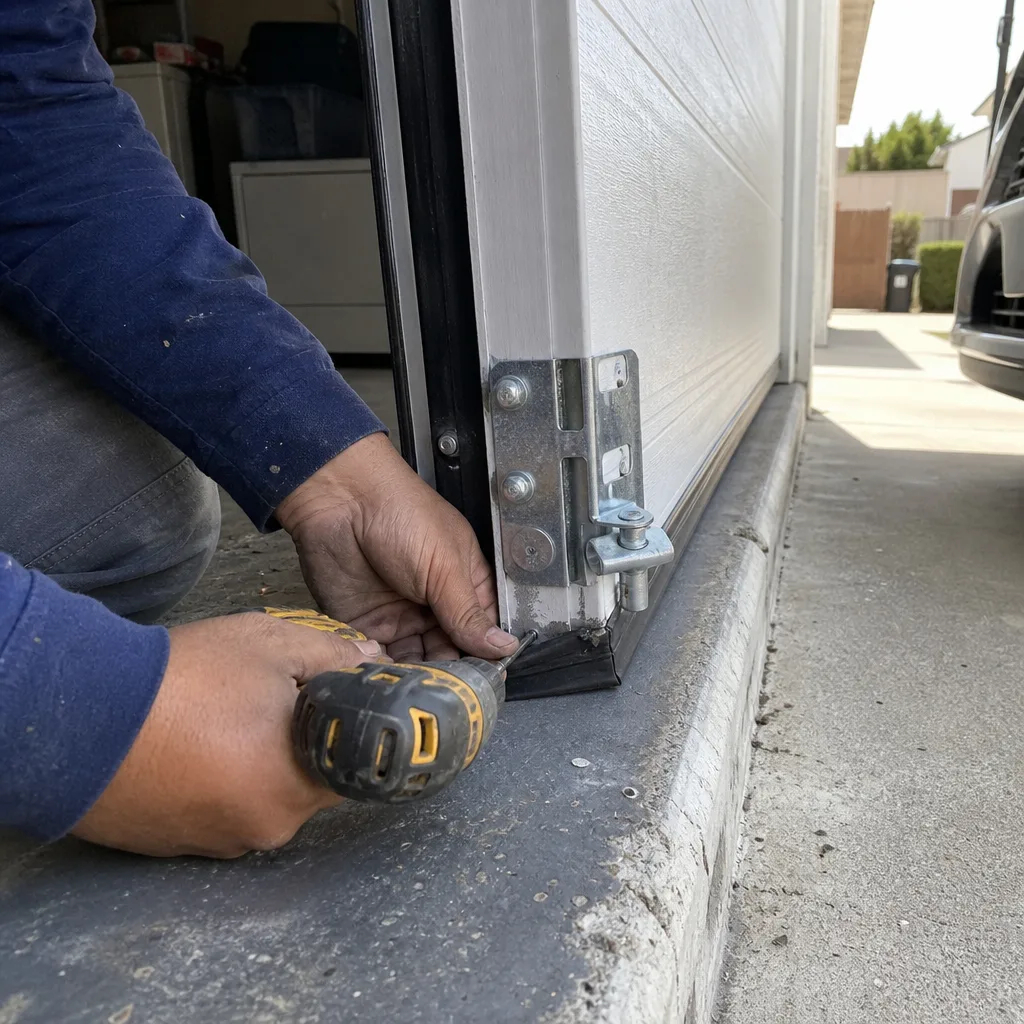
Last updated November 2, 2026
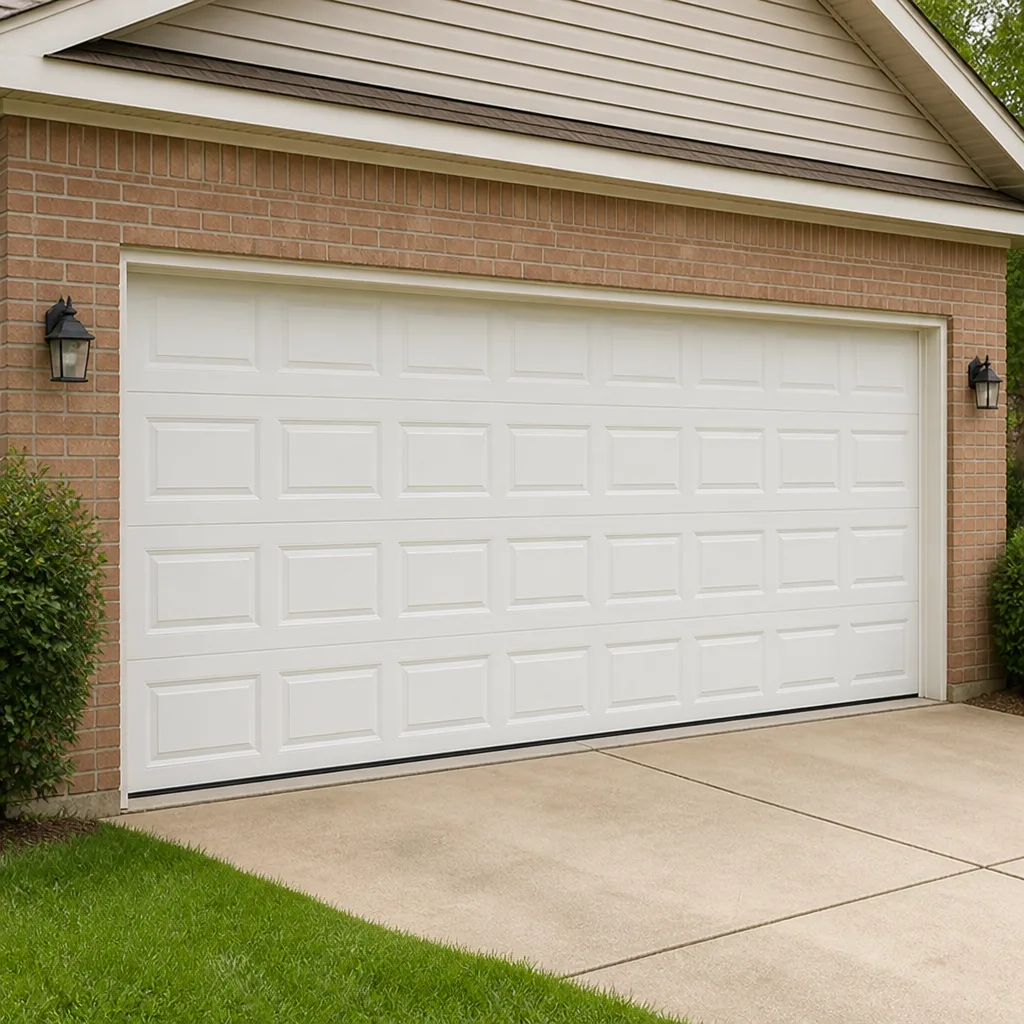 Raised-panel steel
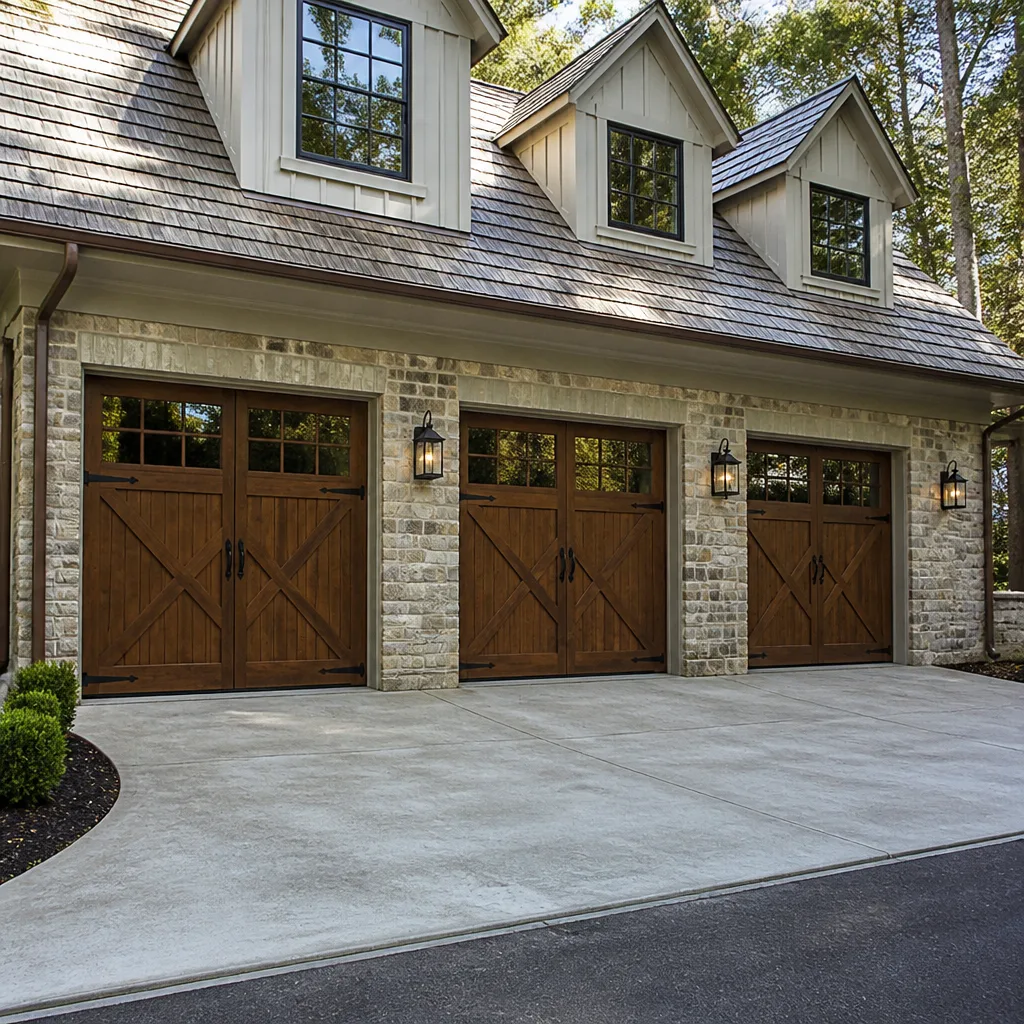 Carriage house
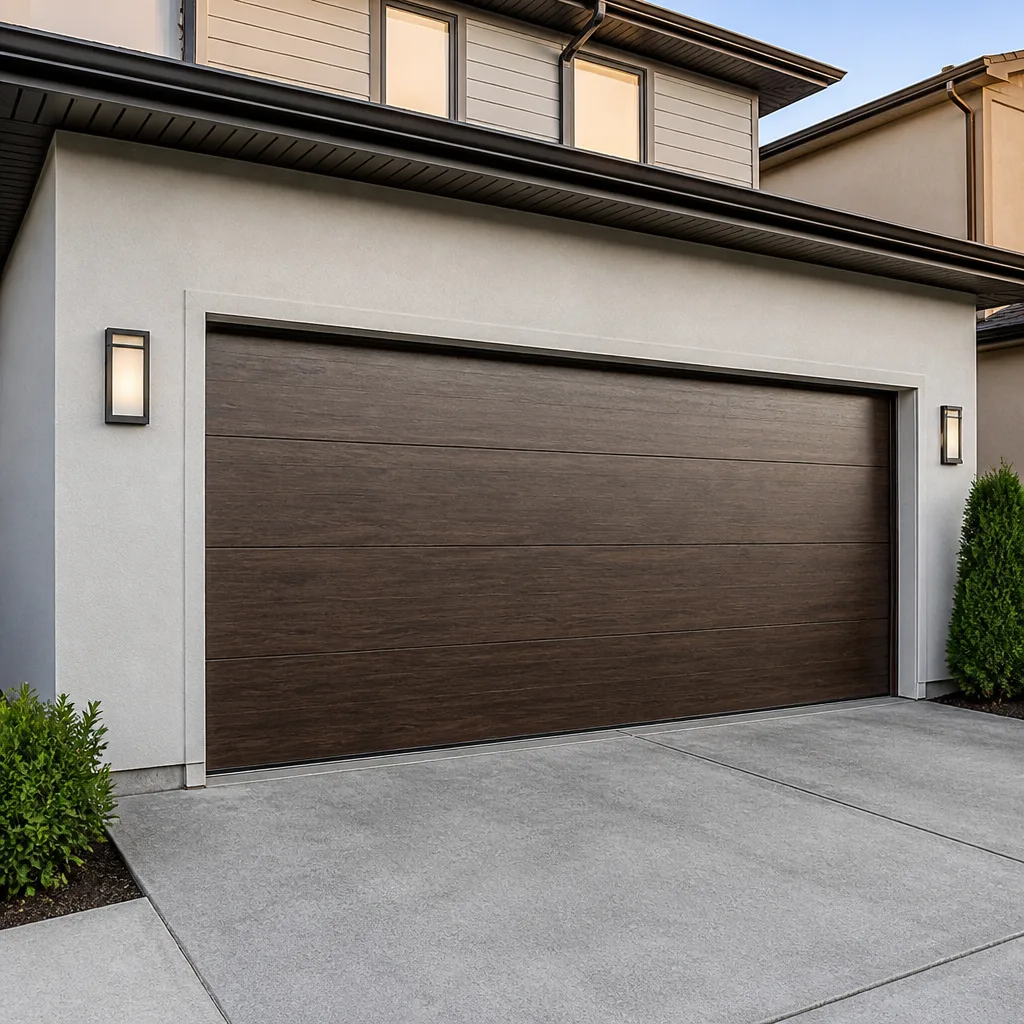 Modern flush
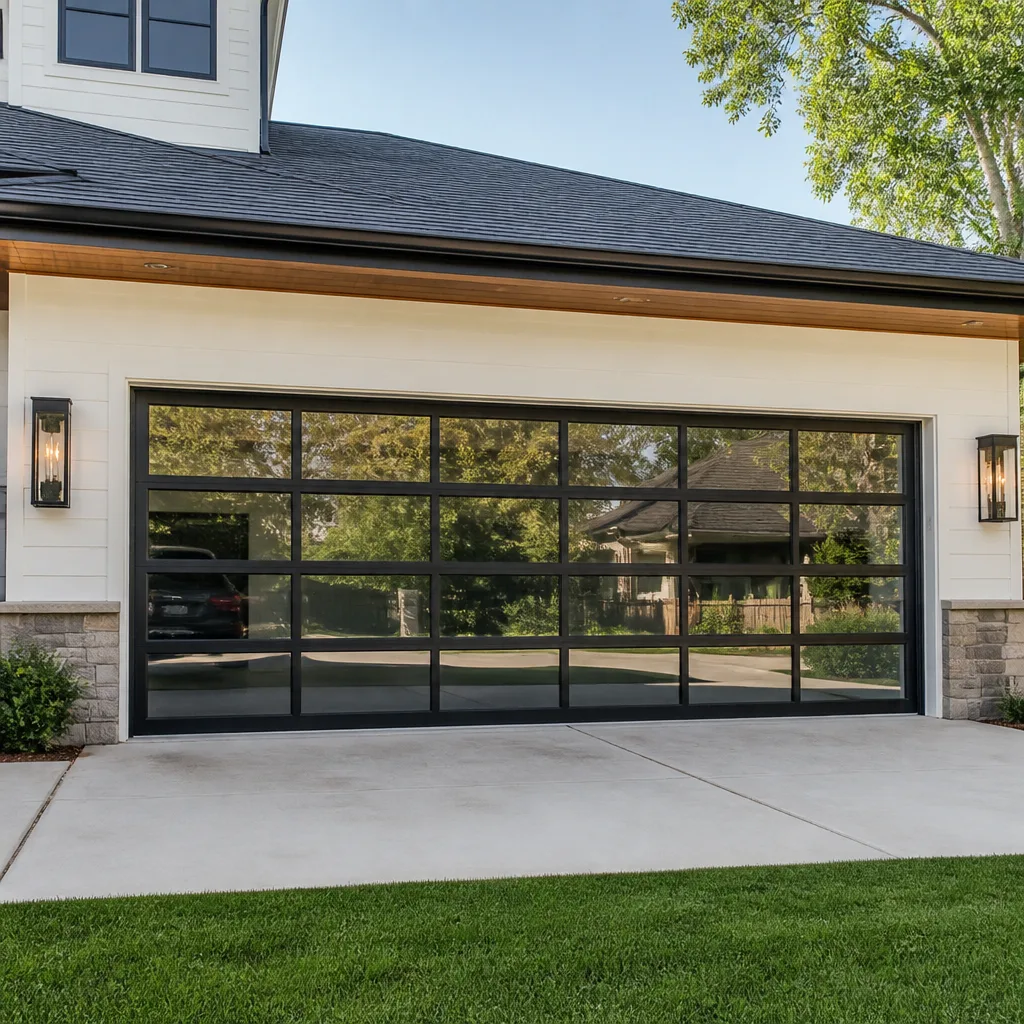 Full-view glass
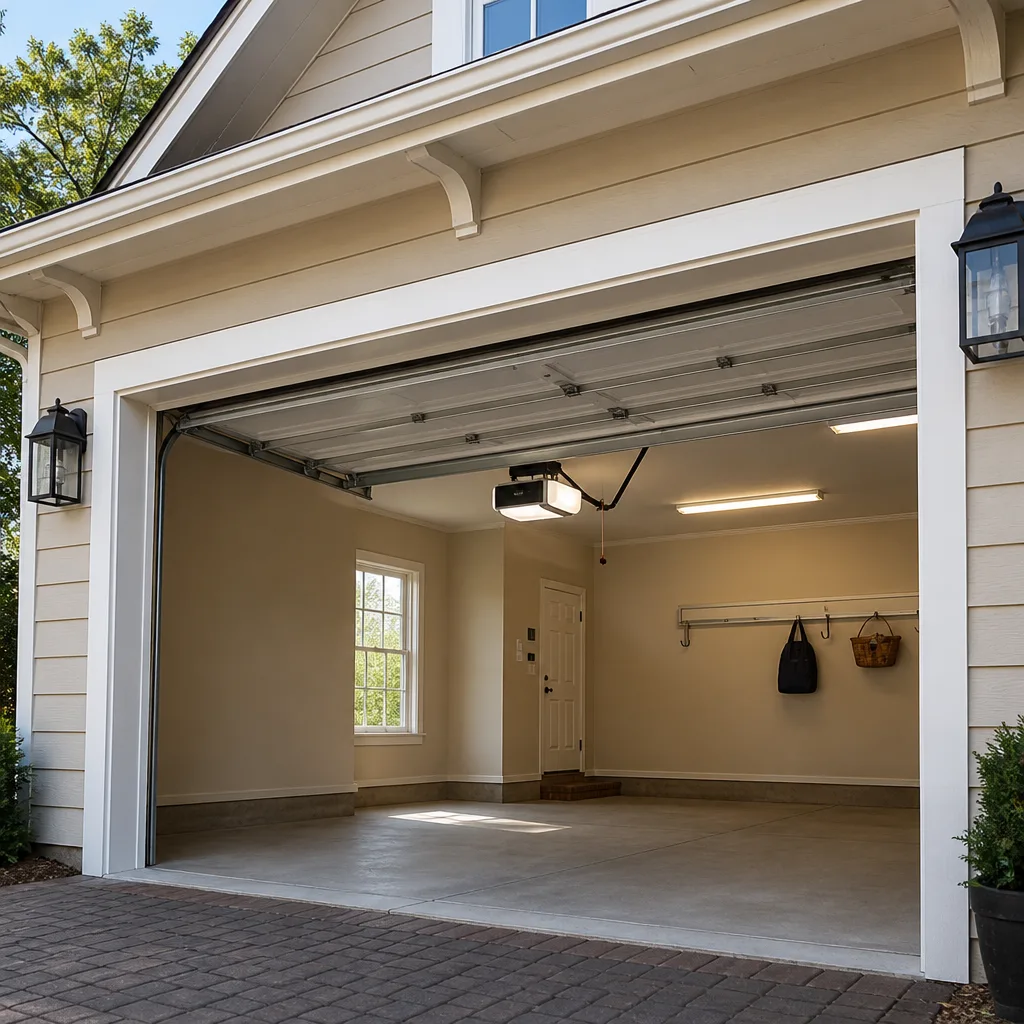 LiftMaster openers
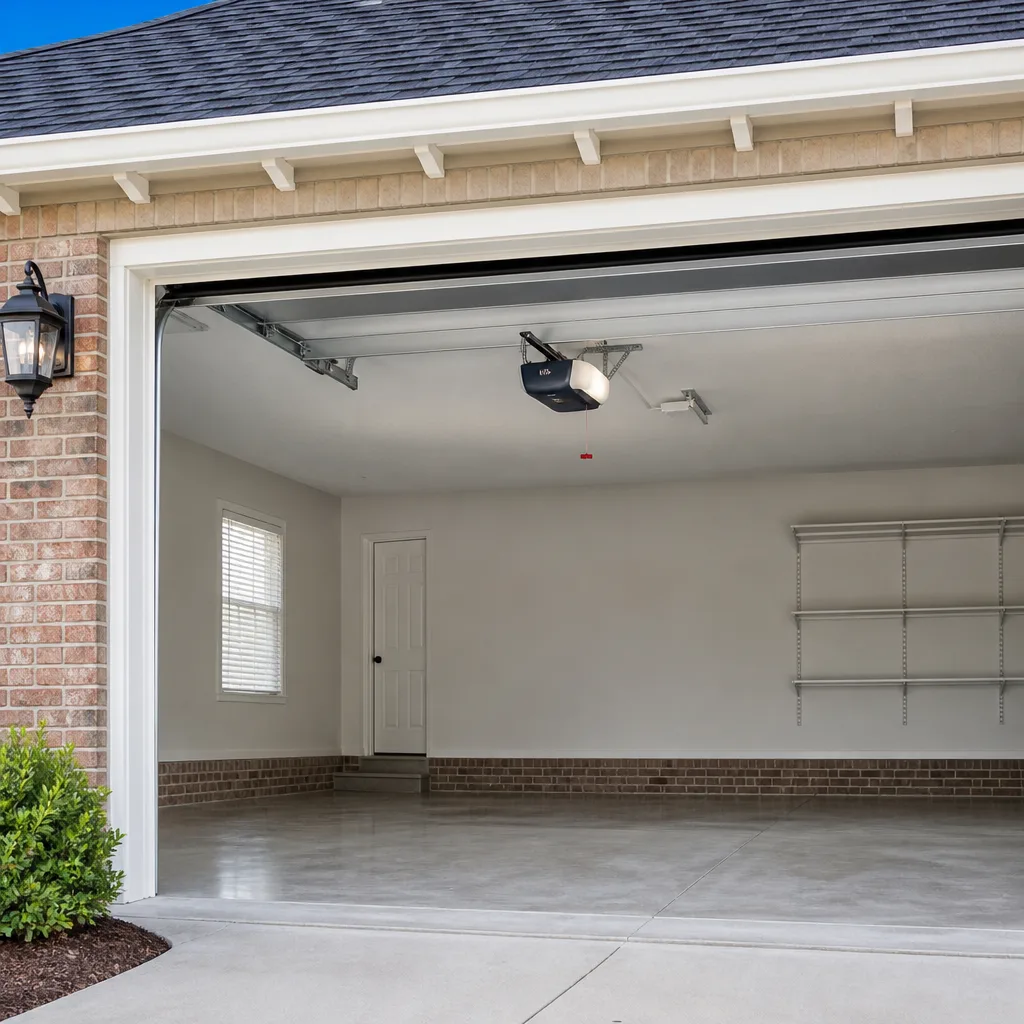 Chamberlain openers
Full 25-point door and opener safety check with every visit - springs, cables, rollers, tracks, and your LiftMaster or Chamberlain opener included
You get a price before we start. It does not change when the truck arrives.
Get your free estimateGarage Door Repair Maintenance Checklist for East Los Angeles Homeowners
A garage door spring has a rated cycle life. Most residential torsion springs are built for about 10,000 open-and-close cycles. That sounds like a big number until you do the math: a busy East Los Angeles household where two working adults leave at different times, kids come and go after school, and weekend errands add more trips can easily cycle the door six times a day. That is 2,190 cycles a year. The spring that came with the door is now past its rated life in under five years. This guide explains how to build a maintenance checklist that matches how hard your specific door actually works in East Los Angeles, not some generic schedule printed on a brochure. For professional help, see our Garage Door Repair services.
Styles & brands we work with
- Raised-panel steel
- Carriage house
- Modern flush
- Full-view glass
- LiftMaster openers
- Chamberlain openers
Quick Answer
A garage door maintenance checklist for East Los Angeles homeowners should include monthly visual inspections of springs, cables, and rollers; quarterly lubrication of hinges, rollers, and the opener rail; semi-annual testing of the auto-reverse safety system and sensor alignment; and annual checks of door balance and weather seal condition. Because East LA homes cycle doors more frequently and deal with grittier urban air than the national average, maintenance intervals should be based on actual cycle count rather than calendar months alone. Check our Garage Door Repair Troubleshooting: Common Problems and How to Fix Them for additional guidance.
Table of Contents
- How to Calculate Your Door’s Actual Cycle Count
- Visual Inspection Steps for Springs, Cables, and Hardware
- Lubrication Points That East LA’s Gritty Air Clogs Faster
- Testing Auto-Reverse and Why Urban Dust Causes False Passes
- Which Maintenance Mistakes Void Warranties Across Major Brands
- Seasonal Maintenance Schedule for East Los Angeles
- Common Mistakes to Avoid
- When to Call a Professional
- Frequently Asked Questions
- The Bottom Line
How to Calculate Your Door’s Actual Cycle Count
Every component on a garage door wears out based on use, not age. A door that sat mostly unused for eight years may have less wear than a door installed eighteen months ago on a house where six people come and go all day. In East Los Angeles, where many properties include converted garages, multiple vehicles per household, or family members returning at staggered hours, cycle counts routinely run double or triple what a manufacturer’s calendar-based maintenance schedule assumes. So the first step in building a real maintenance checklist is knowing your number.
- Track cycles for one full week. Count every time the door goes up and comes back down. One full open-and-close is one cycle. Include the times you hit the remote from the car, the times a teenager takes a bike out, and the 11 pm runs for snacks. Do not estimate. Write it down.
- Multiply the weekly total by 52. That is your annual cycle count. A door that cycles 35 times per week runs 1,820 cycles a year. One that cycles 70 times per week runs 3,640.
- Map your number against component life ratings. Standard torsion springs are rated at 10,000 cycles. Rollers last roughly 5,000 to 10,000 cycles depending on material. Cables typically hold 5,000 to 7,000 cycles before showing fatigue. Opener gears and sprockets on chain-drive units generally last 3,500 to 5,000 cycles. At 1,820 cycles a year, your spring is over its rated life in about five and a half years. At 3,640 cycles a year, that same spring reaches 10,000 cycles in under three years.
- Use your number to set inspection frequency. If your household runs more than 2,500 cycles a year, move spring and cable inspections from annual to every six months. If you run under 1,500, annual checks are usually fine. The point is that the calendar is the wrong benchmark. The cycle counter is the right one.
We have done garage door repairs in East Los Angeles on doors that failed at two years precisely because the homeowner had no idea their household was cycling the hardware at four times the expected rate. The good news is that once you know your number, the maintenance schedule almost writes itself.
Visual Inspection Steps for Springs, Cables, and Hardware
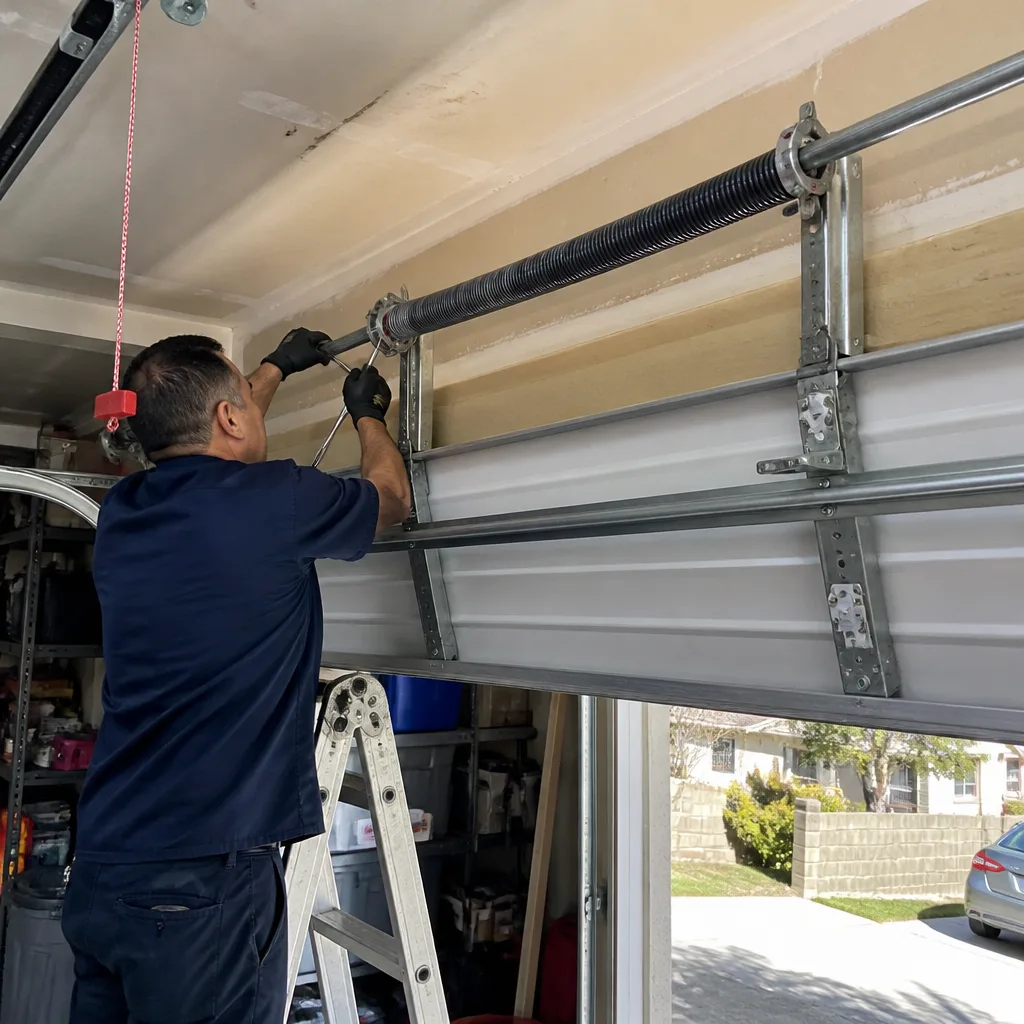
A proper visual inspection takes about ten minutes. It requires no tools and no contact with the hardware. The goal is to catch fatigue before failure, because a broken torsion spring is loud enough to wake neighbors and leaves the door stuck wherever it stopped. Here is the safe, no-contact inspection sequence we teach East Los Angeles homeowners.
- Stand inside the garage with the door closed. Look up at the torsion spring assembly running horizontally above the door. On most residential doors in this area, you will see either one spring centered above the door opening or two springs side by side.
- Look for a visible gap in the spring coil. A healthy torsion spring is one continuous coil from end to end. A spring that has snapped will show a clear two- to four-inch separation somewhere along its length. This is the most obvious failure signal and requires immediate professional repair. Do not attempt to operate the door if the spring is broken.
- Check the spring’s color and surface. Surface rust does not mean failure, but it does mean the spring is aging. Light surface rust is cosmetic. Flaking or deep pitting suggests the metal has weakened and is approaching the end of its serviceable life. In East LA’s coastal-adjacent air, which is not as salty as beachfront property but still carries more moisture than the Inland Empire, untreated springs rust faster than homeowners expect.
- Examine the lift cables on both sides of the door. These are the steel cables that run from the bottom brackets up to the drums at each end of the torsion bar. Look for frayed strands, kinks, or any section where the cable looks fuzzy instead of clean and round. A cable with visible fraying can snap without warning and dump the full weight of the door onto one side.
- Inspect the rollers in the tracks. Nylon rollers wear quietly and often show visible flattening. Steel rollers wear loudly and may show flat spots or wobble in the track. Either condition means the roller is near the end of its life. Roller replacement is straightforward and far cheaper than repairing the damage a seized roller does to the track.
- Check all hinge points where door sections connect. Look for cracks in the metal hinge plates, missing bolts, or metal shavings collecting below the hinge. Metal shavings are a sign that a hinge is grinding against something it should not be touching.
East Los Angeles homeowners have an advantage here: most of the neighborhoods in the area, from Boyle Heights across to City Terrace and down through the unincorporated pockets near Belvedere, have garages that are used daily rather than as storage. That means problems surface faster, but they also get seen faster if someone is looking. The key is making the visual check a habit rather than a reaction to a noise.
Lubrication Points That East LA’s Gritty Air Clogs Faster
Lubrication is the single highest-value maintenance task on a garage door, and it is also the one where East Los Angeles conditions genuinely change the schedule. The air around the 710 and 10 freeway corridors carries brake dust, diesel particulate, and fine road grit that settles on everything. On a garage door, that grit mixes with old lubricant and turns into a grinding paste. The manufacturer’s generic recommendation of lubing every six months often is not enough here. For doors that cycle heavily and live near major roads, quarterly lubrication is the better target.
Use a silicone-based spray or white lithium grease specifically designed for garage doors. WD-40 is a solvent, not a lubricant, and it will strip the existing protection without replacing it. Here are the specific points to hit, in order.
- Torsion spring. Spray the full length of the spring while the door is closed. The coating keeps the spring from rusting and reduces internal friction as the coils flex. Do this quarterly if the door cycles more than 2,000 times a year or if you live within half a mile of a freeway.
- Roller bearings. Each roller has a bearing inside the wheel. If your rollers have exposed bearings, one short spray on each is enough. If the rollers are sealed nylon units, skip them; sealed bearings cannot take lubricant and spraying them just attracts grit to the outside.
- Hinges. Every hinge where two door sections meet has a pivot point. Spray the top and bottom of each hinge pin. There are usually three or four hinges per section joint, which means ten to sixteen points per door. Do not skip the top panel’s hinges just because they are harder to reach from a step stool.
- Opener rail. On chain-drive and screw-drive openers, the rail needs a light coat of the specific lubricant the manufacturer calls for. Chain-drive units from Chamberlain and Genie generally use white lithium on the chain and a silicone spray on the rail. Check the manual for your specific unit. Belt-drive openers typically require no rail lubrication at all.
- Lock mechanism and handle. If your door has a manual lock, one short spray into the keyhole and on the slide bolt keeps it from seizing. This is a small detail, but a seized lock on an automatic door means the lock is doing nothing anyway and will eventually jam against the track.
One habit that helps East Los Angeles homeowners more than most: wipe the tracks clean before you lubricate. Use a dry rag to remove accumulated dust from the vertical and horizontal tracks, then lubricate only the moving parts listed above. The tracks themselves are not meant to be lubricated; grease on the track face just gives grit something to stick to.
Testing Auto-Reverse and Why Urban Dust Causes False Passes
Every garage door opener sold in the United States since 1993 is required to have an auto-reverse system that stops and reverses the door when it encounters resistance while closing. The system has two components: a mechanical resistance sensor in the opener motor and an infrared safety sensor pair mounted near the floor on both sides of the door opening. Both should be tested at least twice a year. Here is the part that many East Los Angeles homeowners get wrong: a standard “wave your hand in front of the sensor” test is a false pass in this environment.
The infrared sensors on a door opening in East LA accumulate fine urban dust and exhaust film on their lenses faster than the national average. That film does not usually block the beam completely, but it reduces the beam’s strength. A weak beam can still register a hand waved slowly in front of it while failing to detect a faster object, and it can also cause intermittent, unpredictable reversals that seem like a malfunctioning opener. The proper test sequence is as follows.
- Clean the sensor lenses first. Use a dry microfiber cloth or a slightly damp one if the film is stubborn. Wipe both lenses, then check the alignment lights. On most Chamberlain and Genie units, a solid green or amber light on each sensor means aligned. A flickering or dark light means misalignment, and no amount of cleaning fixes that without physically adjusting the sensor bracket.
- Test resistance reversal. Place a 2×4 block of wood flat on the ground directly under the door’s center. Close the door with the remote. The door should contact the wood and reverse within two seconds of contact. If it does not reverse, the opener’s force setting is too high and the safety system is not functioning correctly. This is a service call.
- Test the infrared beam. With the door traveling downward, pass a broom handle through the beam about six inches off the ground. The door should reverse immediately without touching the handle. Test at the center of the opening and again near each sensor. Intermittent failure near one side usually indicates a sensor alignment issue or a weak beam from a dirty lens.
An auto-reverse system that fails these tests is not a minor annoyance. It is a safety failure that could injure a child or pet. Do not operate the door until a qualified tech has corrected the issue. In our experience with garage door opener repair in East Los Angeles, about one in five openers we inspect has either a force setting that was cranked too high by a previous repair or sensor lenses that have not been cleaned in years. The test above catches both.
Which Maintenance Mistakes Void Warranties Across Major Brands
Every garage door and opener manufacturer writes maintenance expectations into their warranty terms. The language is usually buried in fine print, but it matters when a claim comes in. Across the brands we service, several patterns repeat. Knowing them protects your coverage and, more importantly, prevents the kind of damage that leads to a denied claim.
- Using the wrong lubricant on springs or bearings. Amarr and Clopay both specify silicone-based lubricants for their door hardware. Penetrating oils that contain petroleum distillates can degrade nylon components and void the hardware warranty. If the product label says “penetrant” or “frees rusted parts,” it is the wrong product for a garage door.
- Adjusting spring tension without proper winding bars. This is the big one, and every brand’s warranty documentation addresses it. Torsion springs are under enormous tension, and amateur attempts to adjust them with screwdrivers or pry bars damage the spring cones, void the warranty, and create a real risk of serious injury. No warranty on any major brand covers damage caused by non-professional spring adjustment.
- Bypassing or disabling the safety sensors. Some homeowners get frustrated with a sensor that keeps reversing the door and solve it by taping the sensors together or rewiring the opener to ignore them. On every brand, this is an immediate warranty void and also creates a dangerous situation that the opener’s own documentation explicitly warns against.
- Replacing individual panels from a mismatch source. Clopay and Amarr stamp their panels with manufacturer codes. Installing a panel from a different manufacturer or a mismatched series changes the door’s balance and voids the warranty on the entire door, not just the panel. Panel replacement should always use the correct OEM part for the specific door model.
- Skipping the balance test after any door work. A door that is out of balance forces the opener to work harder, which overheats the motor and strips gears. Every manufacturer warranty excludes damage caused by operating an unbalanced door. The simple test: disconnect the opener using the red release handle, then lift the door by hand. It should rise smoothly and stay at the halfway point without drifting. If it falls shut or shoots up, the springs are not balanced and the system needs professional attention before the opener is re-engaged.
This is not a lecture about reading every word of your warranty. It is a practical list of the exact mistakes that turn a $150 repair into a $1,200 full-door replacement with no coverage. We see these situations regularly, and the homeowner is always surprised to learn the warranty excluded their exact scenario. Know the list. Avoid the list.
Seasonal Maintenance Schedule for East Los Angeles
East Los Angeles does not have a harsh winter, but the seasonal shift between the hot, dry Santa Ana months and the cooler, damper Pacific-influenced months does affect garage door hardware. Wood doors in particular swell and contract with humidity changes, which shifts panel alignment and stresses hinges. Metal doors expand slightly in high heat, which changes track clearance. A seasonal maintenance rhythm that accounts for these shifts looks like this.
Spring (March through May)
- Complete a full visual inspection of springs, cables, rollers, and hinges.
- Lubricate all moving parts as described above.
- Test the auto-reverse system, including the 2×4 resistance test.
- Clean the sensor lenses thoroughly; spring winds stir up extra dust in East LA.
- Check the weather seal along the bottom of the door. Replace if cracked or flattened.
Summer (June through August)
- Watch for heat-related track issues. Direct afternoon sun on a west-facing door can cause enough metal expansion to produce a rubbing noise. Listen for scraping during hot afternoons.
- Re-lubricate rollers and hinges at the midpoint of the season if the door cycles heavily. High heat thins lubricant faster than moderate temperatures.
- Check for gaps around the door perimeter. The hot, dry season brings dust inside through any opening, which settles on stored items and, more importantly, on the opener’s optical sensors.
Fall (September through November)
- Repeat the full visual inspection and lubrication. This is the most important service of the year, because the door should go into the cooler season in top condition.
- Disconnect the opener and perform the manual balance test described above.
- Inspect the opener rail for debris buildup and clean the rail with a dry cloth.
- Test both remotes and the wall console. Replace remote batteries preemptively.
Winter (December through February)
- Perform a lighter visual check monthly. East LA winters are mild, but occasional heavy rain exposes weaknesses in weather seals and can surface rust on untreated hardware.
- Watch for humidity-related sticking on wood doors. If sections bind, do not force the opener through the resistance; that burns out motors.
- Test the auto-reverse system once during the season. The cooler temperatures change opener force requirements slightly on some older units.
This schedule assumes a door cycling around 1,800 to 2,000 times per year. If your household runs higher, move the lubrications and visual inspections to quarterly regardless of season. The calendar matters less than the cycle count, and in East Los Angeles the cycle count is almost always the more aggressive number.
Common Mistakes to Avoid
- Lubricating the track. The track only guides the rollers; it does not need lubrication, and grease on the track face collects East LA road grit and turns it into a grinding compound. Lubricate the bearings, hinges, and spring. Wipe the tracks clean.
- Ignoring a squeak for months. A squealing door is not “just noisy”; it is a bearing or hinge crying for lubrication. Left alone, the hardened bearing seizes and then eats the track or the roller shaft, and the repair bill quadruples.
- Testing the safety sensors without cleaning them first. A dirty lens produces a weak beam that passes a slow hand-wave test and fails a real-world fast obstruction. Always clean the lenses before testing, or the test result means nothing.
- Replacing one spring on a two-spring system. When one spring breaks on a dual-spring door in East Los Angeles, both springs have the same cycle count and the survivor is equally worn. Replacing only the broken one leaves an unbalanced system that ruins the opener and puts the old spring on borrowed time. Professional repair always replaces both.
- Treating the opener remote as the door’s only access point. When the power goes out or the opener fails, many homeowners realize they have no working manual release or the lock is seized. Test the manual release handle twice a year and keep the lock functional. In East LA, where rolling blackouts and scheduled outages happen, a door that cannot be opened manually traps cars inside.
- Using the door as a daily shortcut for foot traffic. Every open-close cycle for a person walking through instead of using the front door is a full wear cycle on springs, rollers, and opener. Homes where the garage door is the primary entry door can double their cycle count without realizing it. If that describes your household, recalculate your annual cycles accordingly.
When to Call a Professional
Some maintenance tasks are homeowner territory. Others are not. A broken torsion spring is never a DIY repair; the stored energy in a wound spring is enough to cause life-altering injuries, and the tools and training required to safely release that tension are not something a YouTube video replicates. Similarly, any issue involving the lift cables under tension, a door that has jumped its track, or an opener where the auto-reverse system fails testing should trigger a professional service call immediately. A door that won’t balance when the opener is disconnected also needs professional spring adjustment. Continuing to use the opener on an unbalanced door turns a spring problem into a motor problem, and motors cost more than springs. Preston Garage Door Repair offers free estimates in East Los Angeles. Call (833) 573-5280 and we will inspect the door, explain what is actually wrong, and quote the repair before any work starts. When it comes to full garage door installation in East Los Angeles, the same applies: a written price, agreed in advance, no surprises.
Frequently Asked Questions
A typical garage door tune-up in East Los Angeles runs between $85 and $150 when performed as a standalone service, covering lubrication, inspection, sensor testing, and minor adjustments. When bundled with a repair call, many technicians fold the maintenance check into the repair visit. Call (833) 573-5280 to confirm current pricing, and remember that any quote is agreed upon before work begins.
For most East Los Angeles homes, every six months is the minimum, but quarterly lubrication is the better target if your door cycles more than 2,000 times a year or if you live within half a mile of a freeway where brake dust and road grit settle on the hardware faster. Use a silicone-based spray or white lithium grease made for garage doors; never use WD-40 as a lubricant.
No. Torsion springs are under extreme tension, and the specialized winding bars and technique required are not something a homeowner should attempt without proper training. The risk of serious injury is real, and every major brand’s warranty excludes damage caused by non-professional spring work. This is a job for a trained technician with the right tools.
A visible gap in the spring coil means it has already broken. Early warning signs include a door that feels heavier than usual when operated manually, a door that opens unevenly or jerks during travel, and a torsion spring with visible surface rust, flaking, or deep pitting. If one spring on a two-spring door breaks, both are at the end of their cycle life and should be replaced together.
Random reversals during closing are almost always caused by dirty or misaligned safety sensors. Fine urban dust and exhaust film from East LA streets settle on the sensor lenses and weaken the infrared beam, causing the opener to behave as if something is in the door’s path. Clean both lenses with a dry cloth, check the alignment lights, and retest. If the problem persists, call (833) 573-5280 for a professional diagnosis.
Yes. Our technicians work across Chamberlain, Genie, Clopay, Amarr, and four other leading manufacturers, so whatever brand is on your door, we know it. Our repair-first approach means we diagnose what your existing system actually needs rather than steering you toward a replacement you may not require. Estimates are free, and the price is quoted before any work starts.
The Bottom Line
A maintenance checklist only works if it matches the way your door is actually used. In East Los Angeles, where garage doors cycle frequently and urban grit accelerates wear, the manufacturer’s generic schedule often falls short. Calculate your annual cycle count, inspect the springs and cables monthly, lubricate quarterly, and test the auto-reverse system twice a year after cleaning the sensors. Skip the mistakes that void warranties and create dangerous conditions. And when something is beyond homeowner maintenance, which includes anything involving spring tension or lift cables, call a professional before the damage compounds. Whatever brand is on your door, the right fix is usually less expensive than a replacement. Preston Garage Door Repair handles repair, opener service, and full installation across eight major brands. Call (833) 573-5280 for a free estimate and a straight answer.
Written by the team at Preston Garage Door Repair, serving East Los Angeles since 2018.
See the difference
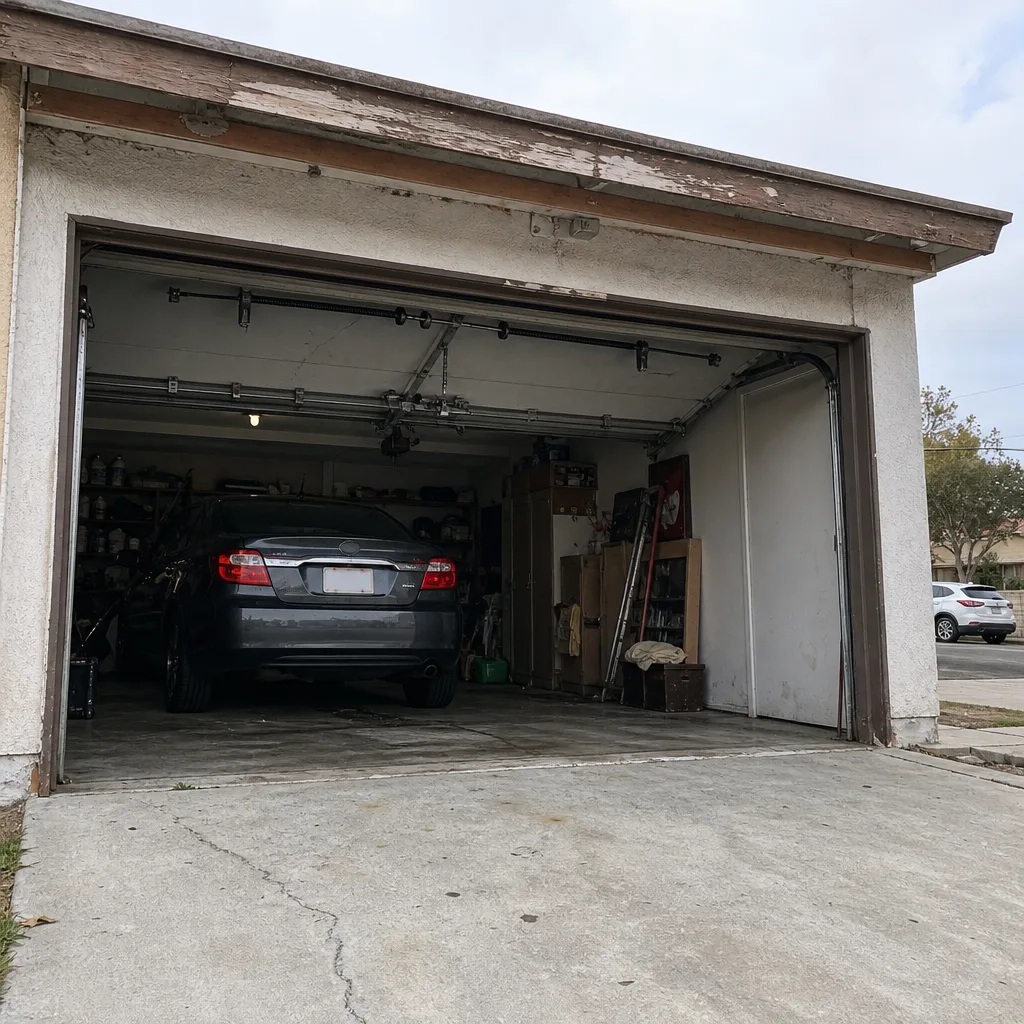 Before
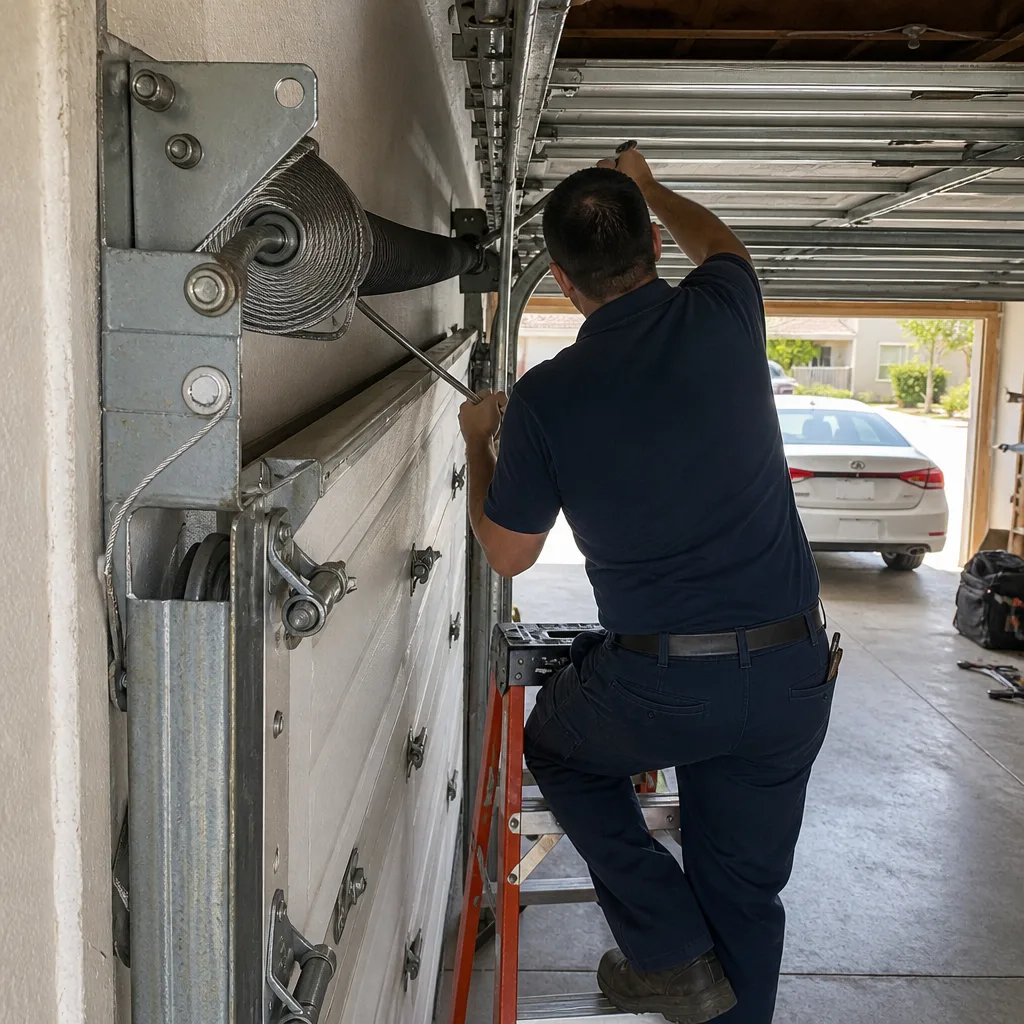 After
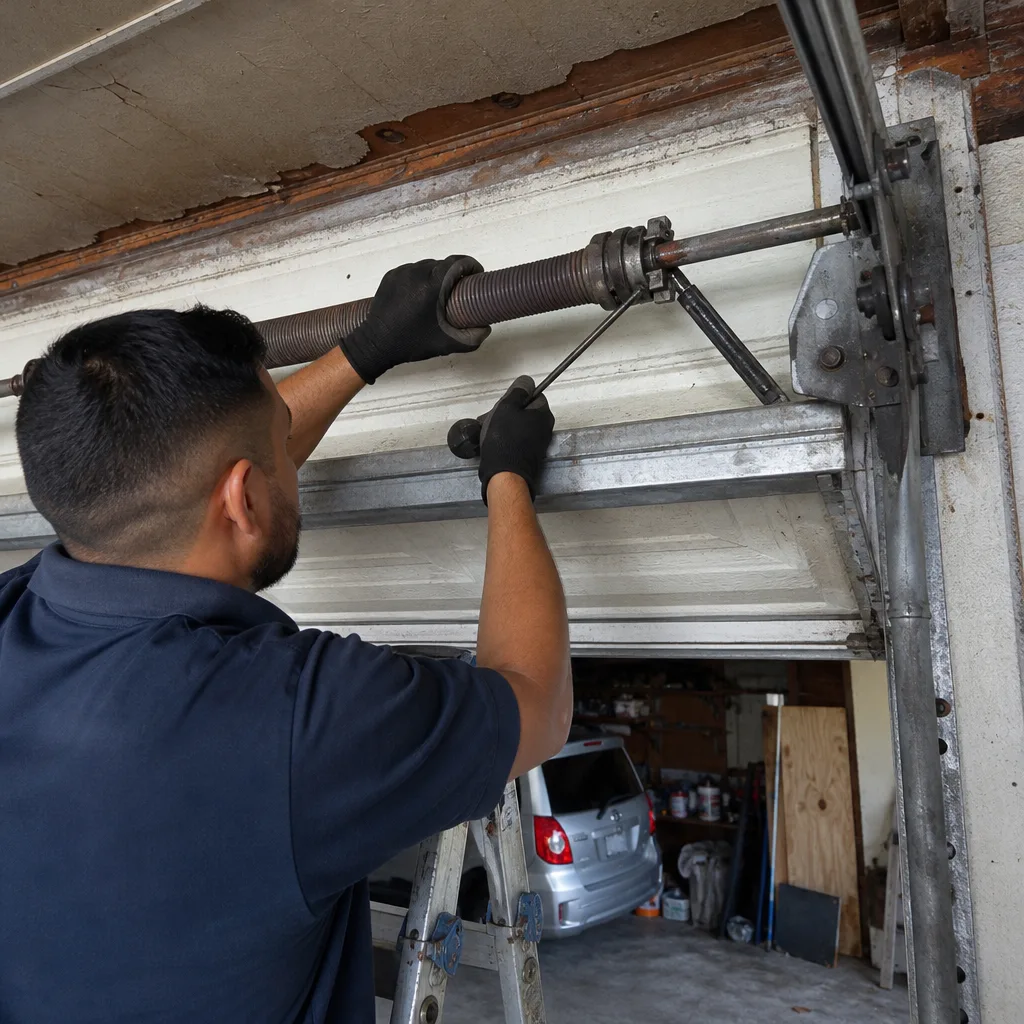 Before
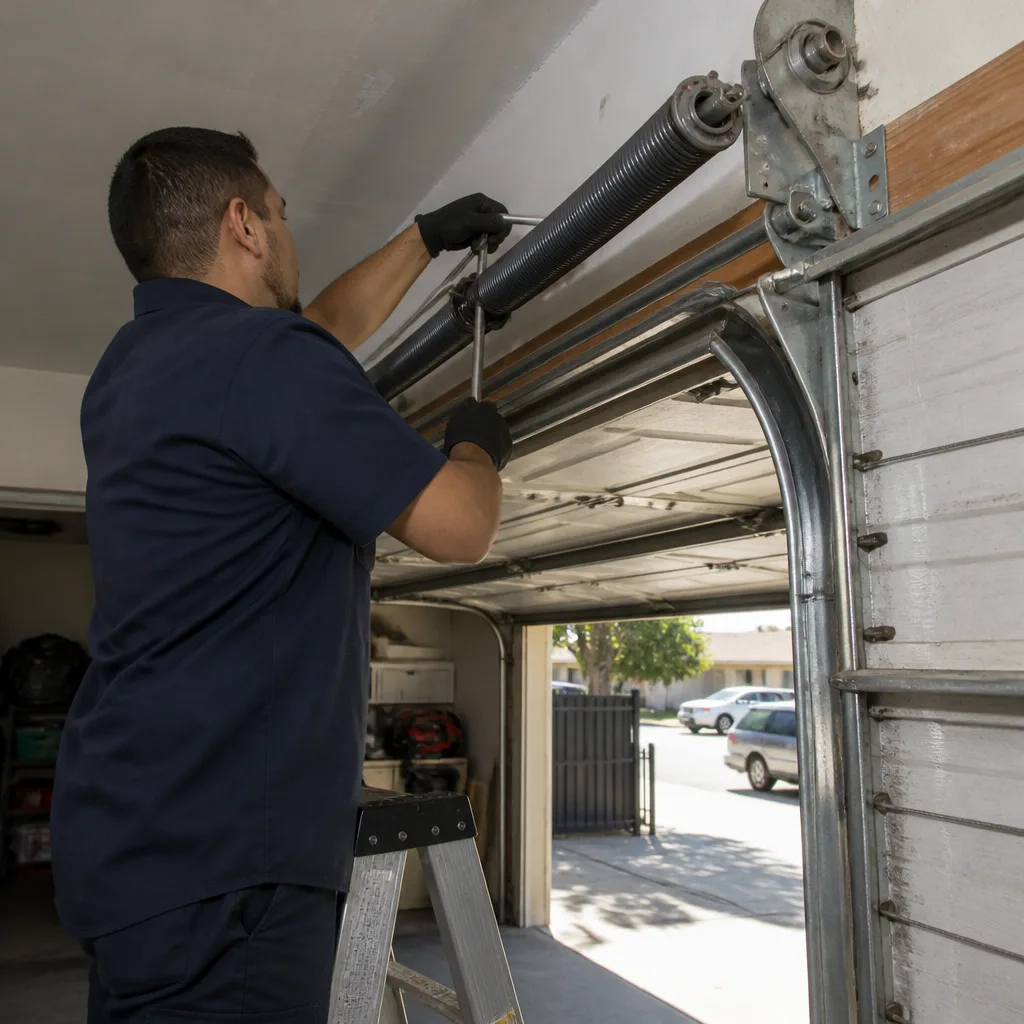 After
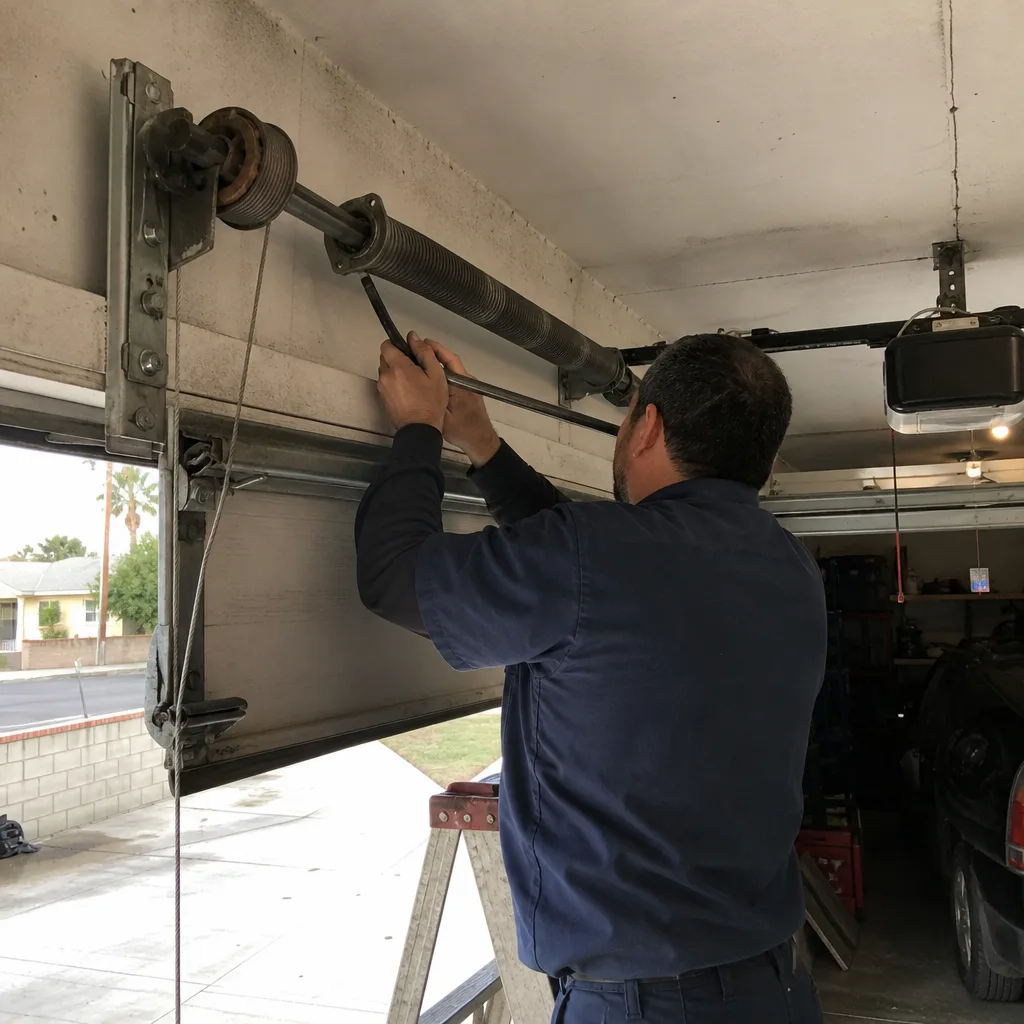 Before
 After