
Last updated November 2, 2026
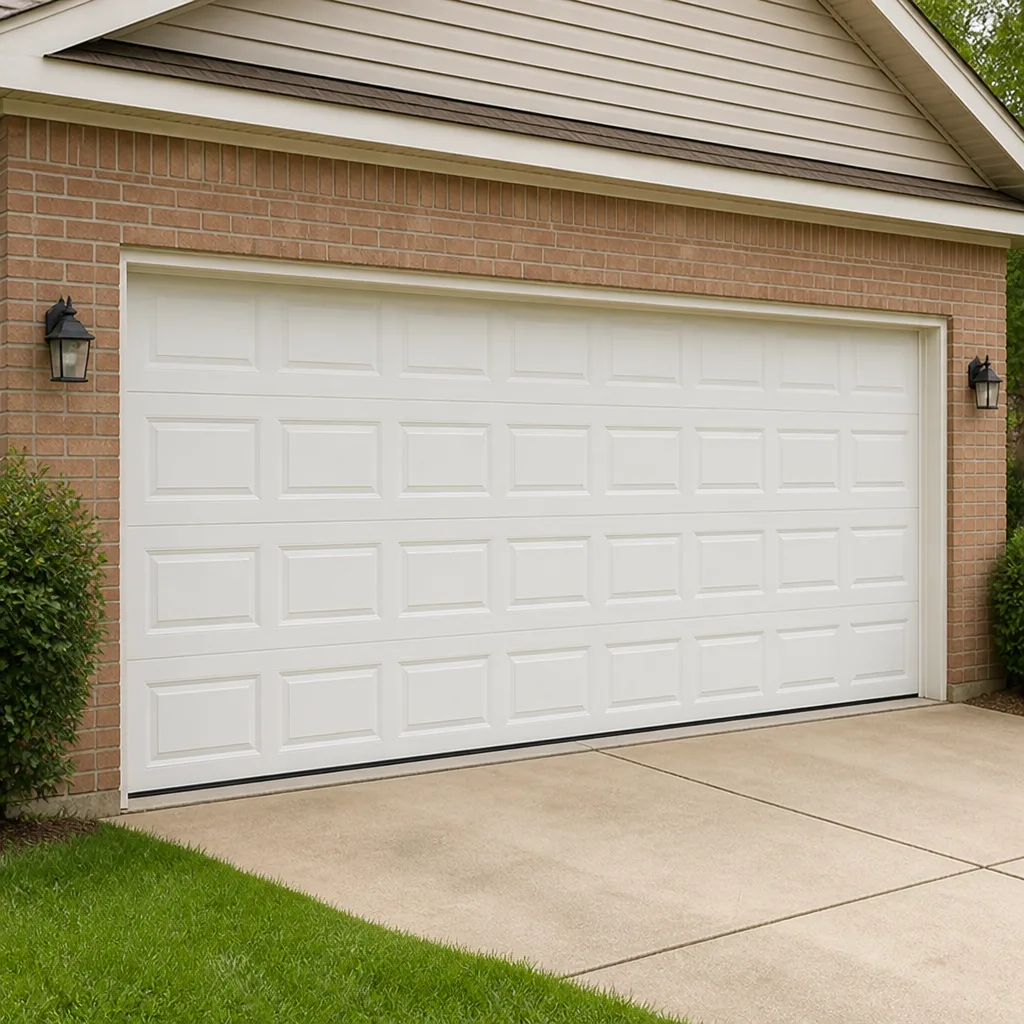 Raised-panel steel
 Carriage house
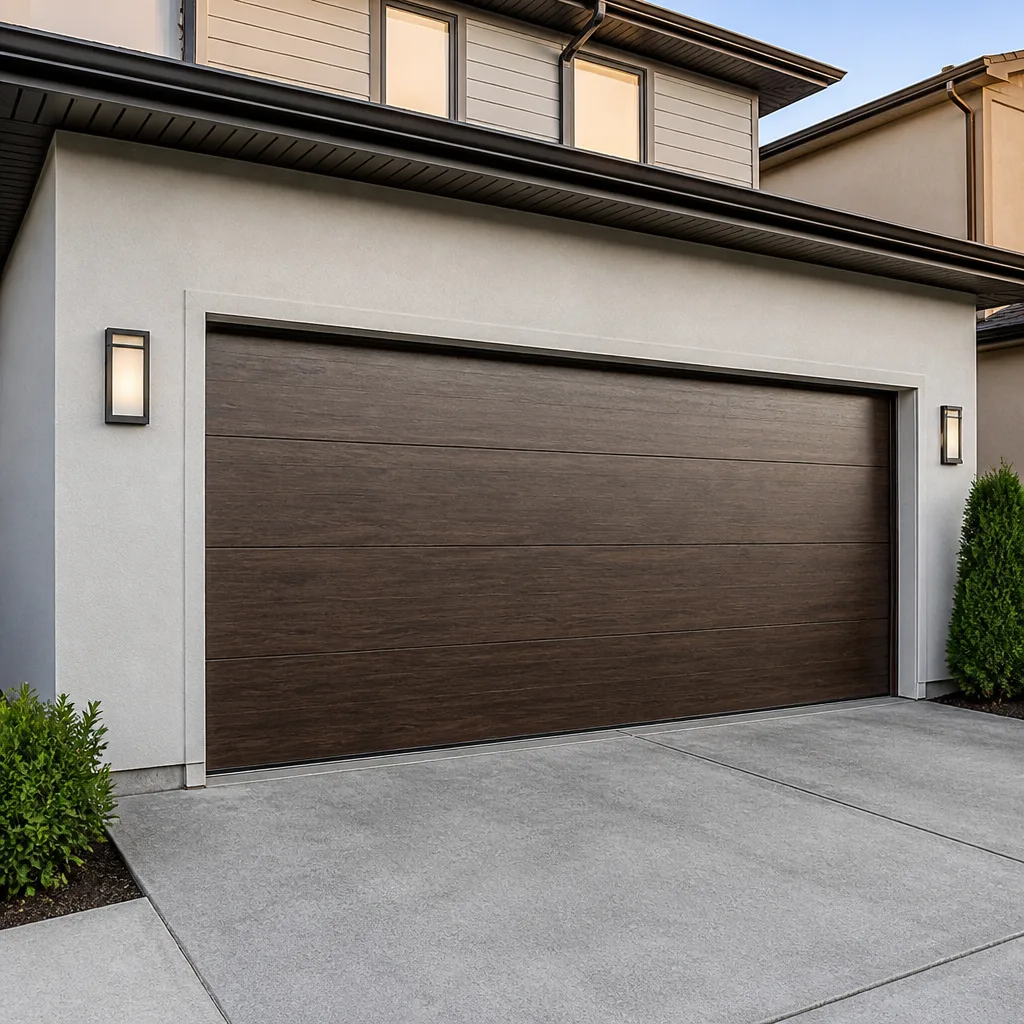 Modern flush
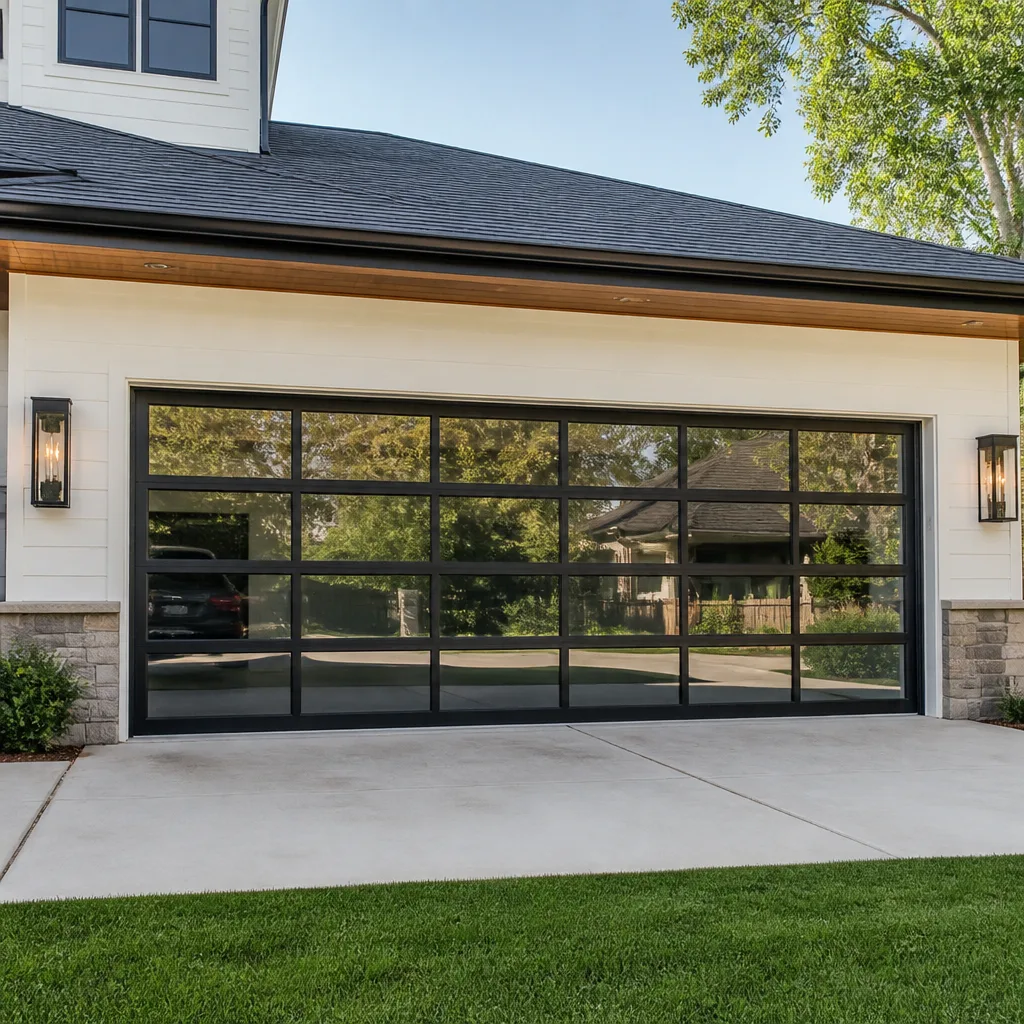 Full-view glass
 LiftMaster openers
 Chamberlain openers
Full 25-point door and opener safety check with every visit - springs, cables, rollers, tracks, and your LiftMaster or Chamberlain opener included
You get a price before we start. It does not change when the truck arrives.
Get your free estimateGarage Door Emergency Preparedness Guide for East Los Angeles Homes
Most earthquake preparedness checklists tell you to secure your water heater and bolt your foundation. Almost none mention the largest moving object in your home: the garage door. After a significant seismic event in East Los Angeles, one of the most common residential access failures isn’t a collapsed wall or a shattered window. It’s a garage door that won’t open because the power is out and nobody in the household has ever touched the manual release cord. Or worse, the release is seized from years of disuse, and the one time you need it, it snaps. This guide walks through the preparation steps that generic earthquake resources skip, from testing your opener’s manual disconnect to assessing track damage after a quake, so your garage remains a functional exit point rather than a sealed vault when you need it most.
Quick Answer
The core of garage door emergency preparedness in East Los Angeles is knowing how to manually disengage your opener when the power fails, verifying your system has a working seismic disconnect as required by California code, and understanding when the door is safe to operate versus when it needs professional assessment. Most homeowners can complete the essential preparation steps in under an hour, and doing so means the difference between using your vehicle after an earthquake and waiting for a service call while your car sits trapped behind a dead opener.
Styles & brands we work with
- Raised-panel steel
- Carriage house
- Modern flush
- Full-view glass
- LiftMaster openers
- Chamberlain openers
Table of Contents
- How to Use the Manual Release on Your Garage Door Opener
- California’s Seismic Garage Door Disconnect Requirement
- Assessing Door Frame and Track Damage After an Earthquake
- Power Outage Preparedness: Backup Battery Options
- What to Keep in the Garage and Where
- Brand-Specific Notes: Clopay, Amarr, Wayne Dalton, and Craftsman
- Common Mistakes to Avoid
- When to Call a Professional
How to Use the Manual Release on Your Garage Door Opener
Every automatic garage door opener has a manual release mechanism, usually a red cord hanging from the trolley carriage that connects the opener rail to the door itself. Pulling this cord disconnects the door from the opener motor, allowing you to lift the door by hand. The procedure is similar across major brands, but the details matter when you’re doing it in the dark with no power.
Here’s the process we walk East Los Angeles homeowners through:
- Locate the release cord. It hangs from the center rail above your vehicle. On most LiftMaster and Chamberlain openers, it’s a red T-handle. On older Genie units, it may be a short rope with a plastic knob. On Craftsman openers from the 1990s and 2000s, the cord is typically red with a square plastic handle.
- Pull straight down, firmly. The cord connects to a spring-loaded carriage latch. One sharp pull releases it. You’ll hear a click or clunk as the trolley disengages from the chain or belt drive.
- Lift the door manually. With the opener disengaged, the door should lift with moderate effort. A properly balanced door will stay open about three to four feet off the ground on its own. If it slams shut or feels extremely heavy, the springs may be broken or the door is off track, and you should not force it.
- Re-engage after power returns. Pull the release cord again while pressing the opener button, or run the opener until the trolley reconnects on its own. Most modern openers re-engage automatically when the carriage passes the latch point.
What to do when the release cord is broken or the carriage is jammed: If you pull the cord and nothing happens, or the cord itself comes off in your hand, the internal disconnect mechanism has likely seized or the cable has snapped. This is a common failure on older units that haven’t been serviced in years. In this situation, do not attempt to pry the carriage open with tools. The spring tension in the trolley assembly can cause a sharp release. Instead, look for the emergency release lever directly on the carriage body. On many Chamberlain and LiftMaster models, there’s a small metal tab on the carriage you can push with a screwdriver to disengage the door. If that fails, the door will need professional service. This is exactly the kind of scenario where having tested your release cord twice a year would have caught the problem before an earthquake did.
California’s Seismic Garage Door Disconnect Requirement
California has a specific building code requirement that most homeowners in East Los Angeles have never heard of. It exists because seismic events can jam an automatic opener, and a door that won’t open during a disaster becomes a life-safety issue. The requirement falls under California Code of Regulations Title 24 and applies to automatic garage door openers installed in residential settings.
The code mandates that every residential garage door opener installed in California must have a seismic disconnect mechanism that activates automatically or can be manually triggered to release the door from the opener in the event of an earthquake. In practice, this means your opener’s manual release system must function without power and without special tools. The most common compliant design is the pull-cord emergency release we described above. Some newer openers include an automatic seismic sensor that triggers the disconnect when shaking reaches a certain threshold.
How to verify your opener has one and that it works:
- Check the model label. Openers sold in California are typically labeled as compliant. Look for a small sticker on the motor unit that references California seismic requirements or Title 24.
- Test the pull cord monthly. Grab the red cord and pull. If it releases the carriage, you’re compliant. If it doesn’t budge, your opener needs service.
- Inspect for corrosion. In coastal-influenced areas of East Los Angeles, salt air can corrode the internal release mechanism even if the cord itself looks fine. If the cord pulls but the carriage stays engaged, the internal latch has likely seized.
- Check automatic sensors on smart openers. If you have a modern LiftMaster or Chamberlain opener with MyQ connectivity, check the app settings. Some models include a seismic sensor that can be configured through the control panel.
We’ve serviced East Los Angeles homes where the opener was installed in the 1980s and the release mechanism hadn’t been touched in decades. The cord pulled, but nothing happened. That’s a code compliance failure and a genuine emergency risk. If you’re unsure whether your opener meets California’s seismic disconnect requirement, our Garage Door Opener Repair in East Los Angeles service can verify it during a routine inspection.
Assessing Door Frame and Track Damage After an Earthquake
After the shaking stops, the question is simple: can you operate the door safely, or will forcing it cause more damage? The answer depends on what moved during the quake. Garage doors in East Los Angeles sit in structures that flex and shift, and even a door that looks fine from the outside can have track misalignment that turns a simple lift into a derailment waiting to happen.
Here’s the assessment process we recommend. It takes about five minutes and requires no special tools.
- Look at the gap between the door and the frame. Walk to the back of the garage and examine the sides of the door where it meets the track. If the gap is even on both sides from top to bottom, the frame is likely square. If one side is tight at the top and wide at the bottom, the building has shifted and the door may bind.
- Check the horizontal track for sag. The horizontal tracks run along the ceiling. If they’re not level, or if the mounting brackets that hold them to the ceiling joists are loose or pulled away, the door will not travel correctly. A sagging track is the most common cause of post-earthquake door derailment.
- Test the door manually before using the opener. Pull the manual release and try to lift the door by hand. It should move smoothly through its full travel. If it catches, grinds, or stops mid-way, stop immediately and leave the door in place.
- Listen for unusual sounds. Grinding means the rollers are binding in the track. Popping or snapping sounds can indicate a spring that’s about to fail. Squealing suggests the track has bent and is pressing against the roller stems.
- Inspect the bottom panel. After significant shaking, the bottom panel can crack or buckle if the foundation shifted. A damaged bottom panel weakens the entire door structure and can make the door unsafe to operate even if the tracks are fine.
If the door fails any of these checks, leave it closed and call for a professional assessment. Forcing a misaligned door frequently converts a minor track adjustment into a full track replacement, a damaged panel, or a broken spring. Those of us who do Garage Door Repair in East Los Angeles see this pattern after every significant seismic event: homeowners force a stuck door, the rollers pop out of the bent track, and a $150 realignment becomes a $600-plus repair.
Power Outage Preparedness: Backup Battery Options
Earthquakes knock out power. That’s a given. What most East Los Angeles homeowners don’t realize is that their garage door opener, even a modern one, will not operate without electricity unless it has a dedicated backup battery. The power outage itself becomes an emergency access problem, separate from any physical damage to the door.
Backup battery options, by system type:
- LiftMaster and Chamberlain smart openers. Many models in the 8500 series and newer Chamberlain lines include an integrated backup battery or have a battery compartment that accepts an optional add-on pack. These batteries typically provide 24 to 48 hours of standby capacity and enough power for 20 to 30 open-close cycles, depending on door weight and balance. If your opener was installed in the last five years and you didn’t opt for the battery, it’s usually a field-retrofit item rather than a full opener replacement.
- Genie openers. Genie’s Aladdin Connect line offers a battery backup option on most current models. Older Genie screw-drive units from the 1990s and 2000s generally do not support battery backup and would need a whole-unit replacement to gain that capability.
- Craftsman and older legacy openers. Most Craftsman chain-drive openers manufactured before 2015 have no battery backup option at all. If you have one of these units, your emergency power solution is a portable power station or inverter connected to the opener’s power plug. A 1,000-watt portable power station will run a typical chain-drive opener for multiple cycles, though you’ll need to plug the opener into it manually when the power goes out.
- No opener at all. If your garage door has never had an automatic opener, you’re already prepared for power outages. A manual door doesn’t care if the grid is down.
The practical recommendation for most East Los Angeles homes is simple: if your opener supports a factory battery backup, get it installed. If it doesn’t, keep a portable power station charged and know where it is. In our experience, the homeowners who manage best after a power outage are the ones who tested their backup solution at least once before it mattered. An uncharged battery or a power station still in its box is not preparedness.
What to Keep in the Garage and Where
Garage contents shift during an earthquake. Shelving units tip, boxes slide, and anything not secured becomes an obstacle between you and the door. In East Los Angeles garages, which are often smaller and more tightly packed than suburban equivalents, this problem is amplified.
The placement of items matters more than the items themselves. Here’s what we recommend:
- Keep the manual release cord area completely clear. The release cord hangs from the center of the opener rail. If you have storage racks or bicycles anywhere near that center line, move them. After a quake, a tipped bike or fallen shelf can block your access to the one thing that lets you open the door manually.
- Mount a flashlight within arm’s reach of the pedestrian door. Not in a drawer, not on a workbench across the garage. Mount it on the wall next to the door. Power will be out, and you’ll need to see the release cord and the track before you operate anything.
- Keep a pair of work gloves next to the flashlight. Lifting a garage door manually after an earthquake may mean grabbing a bent bottom rail or a track edge. Gloves prevent lacerations from metal that may have warped during shaking.
- Store a pry bar or long-handled tool near the door. If the door is stuck in the down position due to minor frame shift, a pry bar can sometimes break it free enough to lift manually. This is a last resort, but having the tool ready beats searching through debris.
- Secure shelving and tall cabinets to the walls. A six-foot shelving unit tipping across the center of the garage doesn’t just block access to the door. It can smash the release cord, knock the opener rail out of alignment, or pin the door itself closed. Use steel L-brackets and wall anchors rated for seismic loads.
- Keep the area in front of the door clear. This sounds obvious, but in practice, East Los Angeles garages often double as storage. The four feet directly inside the garage door should stay empty. If the door shifts even slightly off its track, anything in that zone becomes a wedge that prevents the door from opening at all.
One more consideration: the door itself. If you have a Wayne Dalton or Clopay door with a spring-loaded release on the interior, know where the release mechanism is located and how it differs from your opener’s manual release. These doors sometimes have their own locking mechanism separate from the opener, and it needs to be disengaged before the door will lift manually. We cover these brand-specific details in the next section.
Brand-Specific Notes: Clopay, Amarr, Wayne Dalton, and Craftsman
Every garage door brand has its own quirks, and in an emergency, those quirks are what trip people up. At Preston Garage Door Repair, we service doors and openers from eight major manufacturers, so we see the full range of what goes wrong. Here’s what East Los Angeles homeowners should know about four of the most common residential brands.
Clopay Doors
Clopay doors are built with a torsion spring system on most residential models, which means the springs are mounted above the door on a steel shaft rather than along the sides. The manual release for a Clopay door with a standard opener is the same red cord setup as any other system, but Clopay doors with heavier insulation or steel construction are harder to lift manually than their lighter counterparts. If your Clopay door has windows or a steel outer layer, expect to use significant effort to lift it by hand after pulling the release. This is normal, not a sign of a broken spring. If the door won’t stay open on its own, the springs need attention.
Amarr Doors
Amarr doors, particularly the Classica and Lincoln lines, use a similar torsion spring design. What distinguishes Amarr in an emergency context is the brand’s steel-bearing roller system, which is more resistant to track binding than nylon rollers but more likely to grind loudly if the track has shifted. If you hear grinding when lifting an Amarr door manually after an earthquake, stop and inspect the track. Amarr rollers are less forgiving of misalignment than other brands, and forcing the door will chew up the roller stems.
Wayne Dalton Doors
Wayne Dalton uses a proprietary TorqueMaster system on many residential doors, which encloses the torsion spring inside a tube above the door rather than exposing it on a shaft. This design has a specific manual release interaction. On TorqueMaster systems, the spring tension is contained internally, and if you pull the opener’s release cord and the door won’t lift, the problem may be the TorqueMaster’s internal spring mechanism rather than the opener carriage. Wayne Dalton doors also tend to be among the lightest residential doors on the market, so a properly functioning manual release should result in an easy lift. If your Wayne Dalton door feels heavy, that’s a sign the TorqueMaster spring has failed.
Craftsman Openers
Craftsman openers dominated residential installations in East Los Angeles from the 1980s through the early 2010s. If your home still has the original Craftsman unit, you likely own a chain-drive opener with a release cord that has hardened and stiffened over time. The cord itself may snap when pulled firmly, which leaves you with a disconnected door you can’t control and a carriage you can’t re-engage. We recommend replacing the release cord on any Craftsman opener older than 15 years, even if it looks fine. It’s a $5 part and ten minutes of work that prevents a genuine emergency failure. If the carriage itself has seized, our Garage Door Opener Repair in East Los Angeles team can rebuild or replace the carriage assembly without replacing the entire opener if the motor and drive are still sound.
Common Mistakes to Avoid
- Assuming the opener release will work because it’s never been tested. The most common failure we see in East Los Angeles homes. Pull cords seize, cables snap, and latches corrode. Test yours monthly. It takes five seconds.
- Forcing a door that’s binding. A door that catches or grinds is telling you something. Forcing it converts a minor misalignment into bent tracks, damaged panels, and broken springs. The repair bill goes from minor to major.
- Ignoring the California seismic disconnect requirement. If your opener predates the requirement or the release mechanism has failed, you have a code violation and an emergency access problem. Both are fixable with one service call.
- Storing items in front of the door or under the release cord. Your garage door isn’t just an entry point. It’s your primary vehicle exit during an evacuation. If it’s blocked by storage, you’ve defeated its purpose.
- Relying on a smart opener to work during an outage. MyQ and other smart-home features require power and internet. If the grid is down, the app is useless. Your manual release is the only system that works without electricity.
- Re-engaging the opener after a quake without checking the tracks. If the track has shifted even a quarter inch, running the opener will derail the door. Always test manually first, then reconnect the opener only after confirming smooth travel.
- Forgetting that the garage door is part of your home’s earthquake safety system. In East Los Angeles, where many homes were built before current seismic codes, the garage door is often the largest unbraced opening in the structure. A door that won’t open after a quake can trap your family and your vehicles.
When to Call a Professional
Some situations are beyond preparedness and require a trained technician. If your release cord snaps or the carriage won’t disengage, the internal mechanism needs repair. If the tracks are visibly bent or the mounting brackets have pulled away from the ceiling, the door needs realignment before it can be safely operated. If the springs have broken, you’ll hear a loud snap and the door will be extremely heavy or won’t lift at all. These are not DIY repairs. Garage door springs, in particular, are under enormous tension and can cause serious injury if mishandled. If you’re not sure whether your door is safe to operate after an earthquake, don’t guess. Preston Garage Door Repair offers free estimates in East Los Angeles. We service all eight major brands, including Clopay, Amarr, Wayne Dalton, and Craftsman, and we can assess your door, tracks, springs, and opener in a single visit. Call (833) 573-5280 and we’ll get you sorted.
See the difference
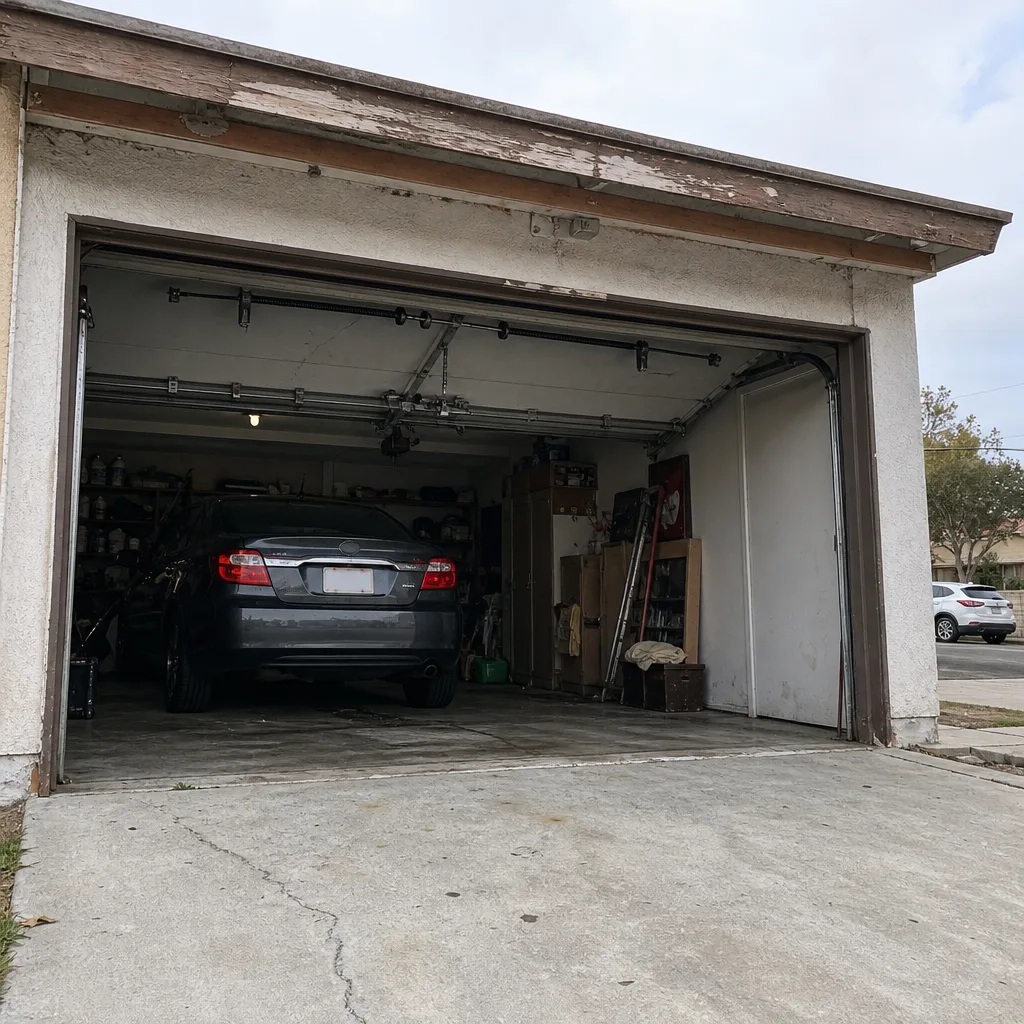 Before
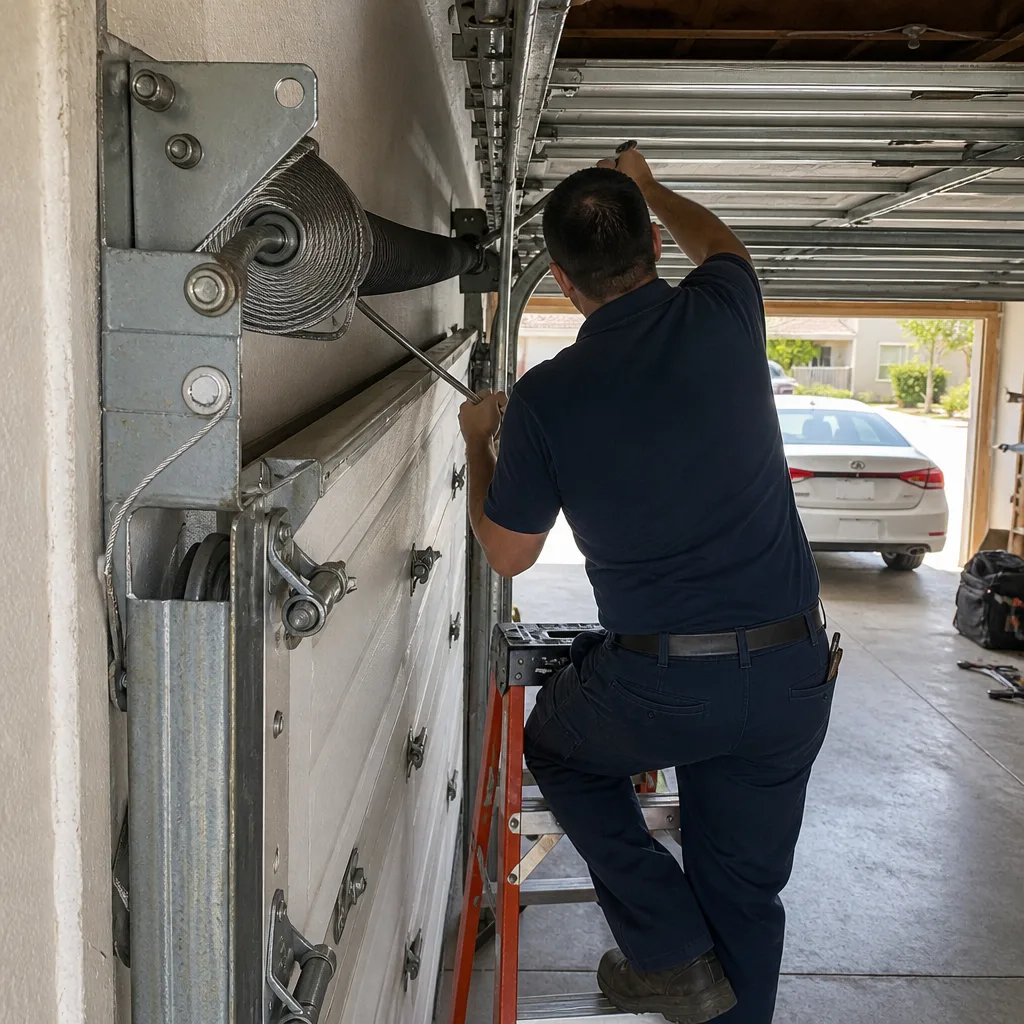 After
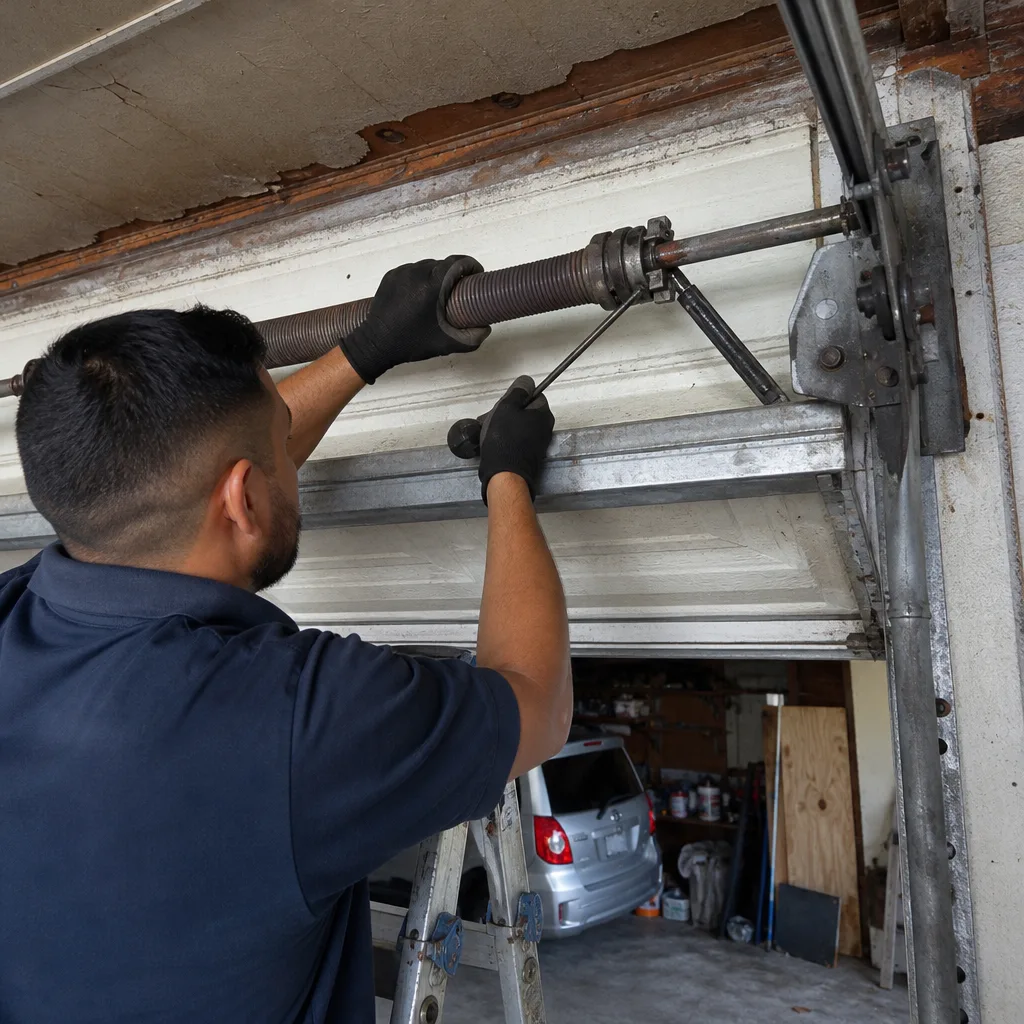 Before
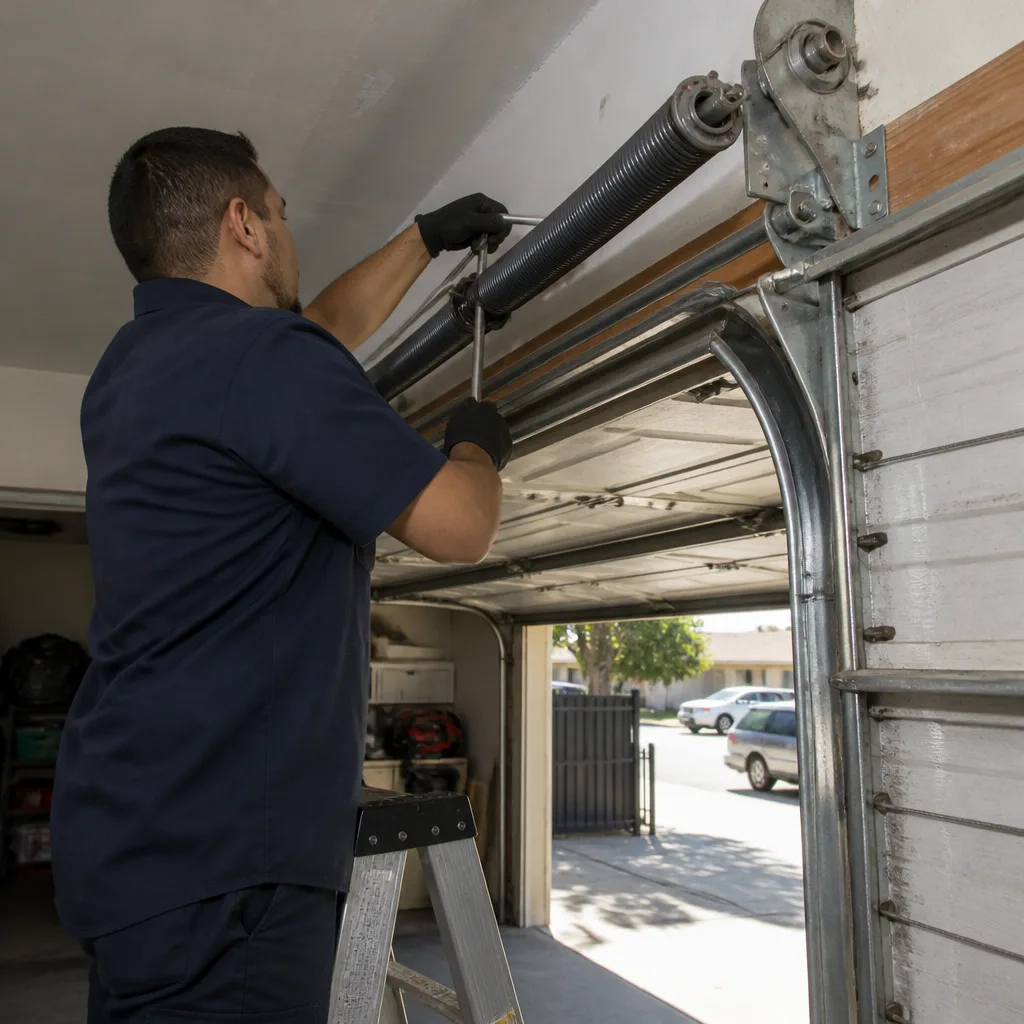 After
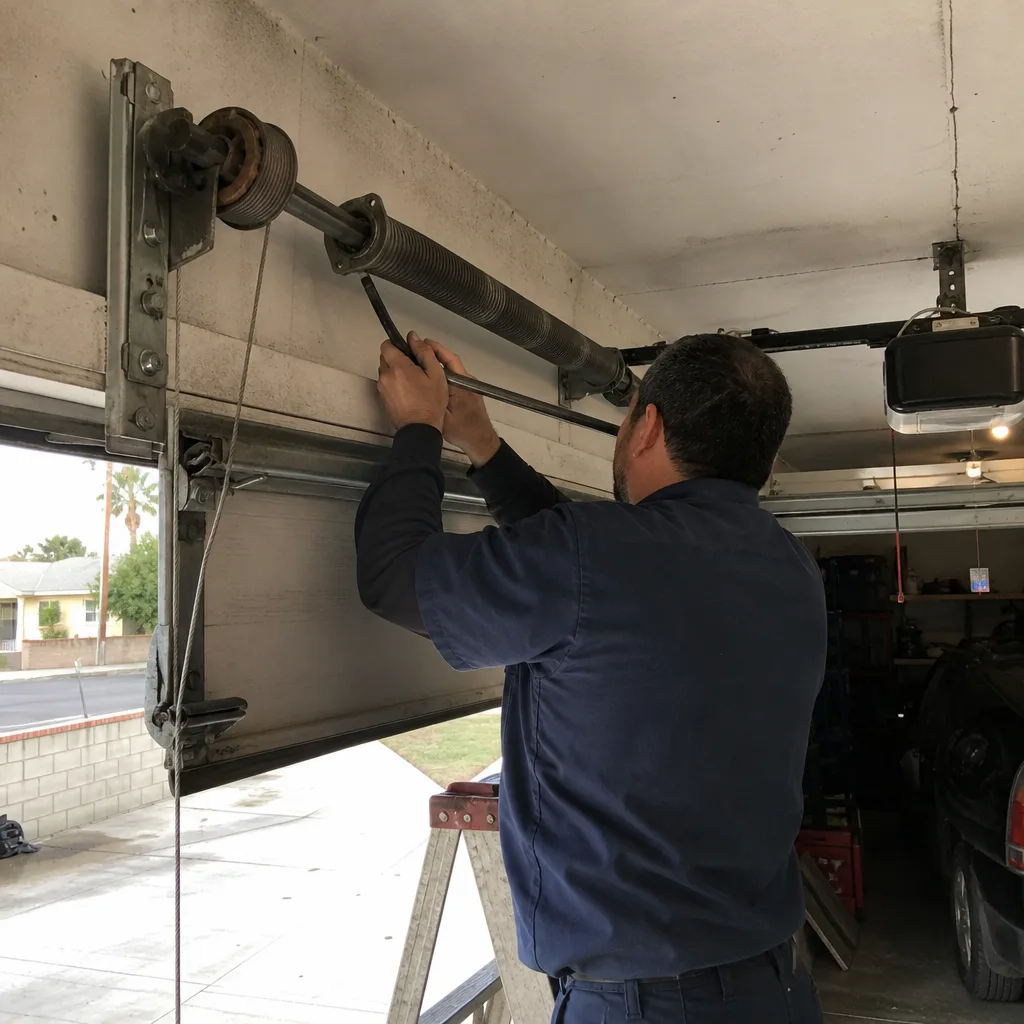 Before
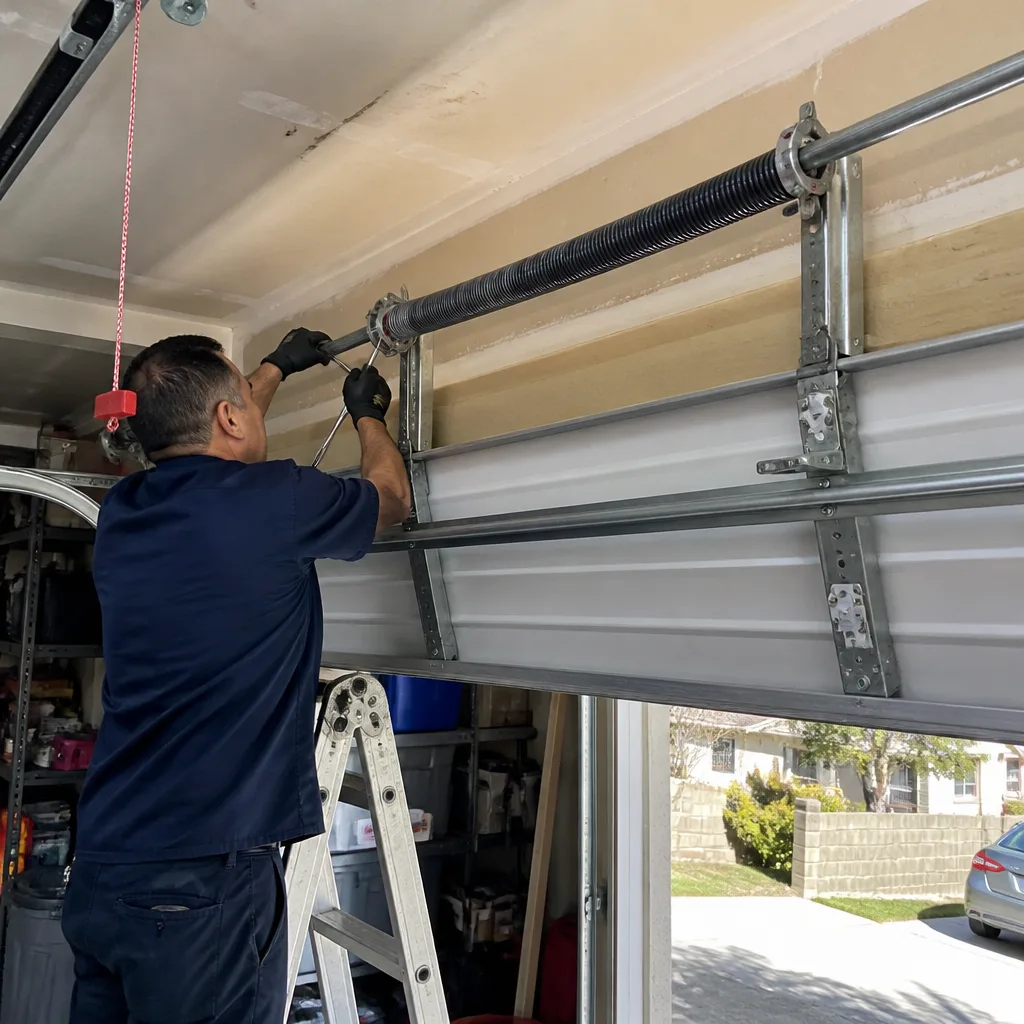 After
Frequently Asked Questions
Pull the red release cord hanging from the opener rail to disengage the door from the motor, then lift the door by hand. A properly balanced door will lift with moderate effort and stay open about three to four feet off the ground on its own. If the cord doesn’t release the carriage or the door feels extremely heavy, the springs may be broken and you should not force it. Call (833) 573-5280 for same-day assistance in East Los Angeles.
Yes. California building code requires residential garage door openers to have a functional seismic disconnect mechanism that allows the door to be released from the opener without power or special tools. The standard pull-cord release satisfies this requirement, but it must actually function. Test yours monthly to confirm compliance. If the release is seized, the cord is broken, or the carriage won’t disengage, our Garage Door Opener Repair in East Los Angeles service can fix it.
It depends on the opener model. Many LiftMaster and Chamberlain openers from the last five years support an add-on backup battery that provides 20 to 30 open-close cycles during a power outage. Most Craftsman openers manufactured before 2015 do not support battery backup and would require either a portable power station or a full opener replacement. If you’re unsure whether your opener can accept a battery, call (833) 573-5280 and we’ll check the model.
Check for even gaps between the door and the frame on both sides, inspect the horizontal ceiling tracks for sag or loose mounting brackets, and manually operate the door after pulling the release cord. If the door binds, grinds, or stops mid-way, the track has likely shifted. Do not run the opener on a misaligned track. A professional can realign it before the damage worsens. We offer free estimates in East Los Angeles.
If the release cord breaks, the door is stuck in automatic mode unless you can access the manual release lever directly on the carriage assembly. On many Chamberlain and LiftMaster models, there’s a small metal tab you can push with a screwdriver to disengage the door. If that doesn’t work, the internal latch mechanism has failed and needs professional service. Don’t attempt to pry the carriage apart. Call (833) 573-5280 and we’ll send a technician who knows the mechanism inside and out.
Wayne Dalton doors use a proprietary TorqueMaster spring system that encloses the torsion spring in a tube above the door. When the TorqueMaster spring fails, the door loses its counterbalance and becomes extremely heavy to lift. If your Wayne Dalton door won’t lift easily after pulling the release cord, the internal spring has likely failed, not the opener. This requires professional replacement. Call (833) 573-5280 for a free estimate in East Los Angeles.
If your garage door opener has failed entirely and you’re considering whether to repair or replace it, our Garage Door Installation in East Los Angeles page walks through the decision process. And for a full overview of the services we provide, visit the Preston Garage Door Repair home page.
The Bottom Line
Garage door emergency preparedness in East Los Angeles comes down to three essentials: know how to manually release your door, verify the release mechanism actually works, and understand when to operate the door versus when to leave it alone and call for help. Test your release cord monthly. Check that your opener meets California’s seismic disconnect requirement. Keep the area around the door and the release cord clear of storage. And if you have a Craftsman opener from the 1990s, a Wayne Dalton door with a TorqueMaster spring, or any door with a release cord that hasn’t been pulled in years, have it inspected now, before the next earthquake makes it an emergency. The time to find out your manual release doesn’t work is not at 4 a.m. after the shaking stops.
Written by the team at Preston Garage Door Repair, serving East Los Angeles since 2018.