
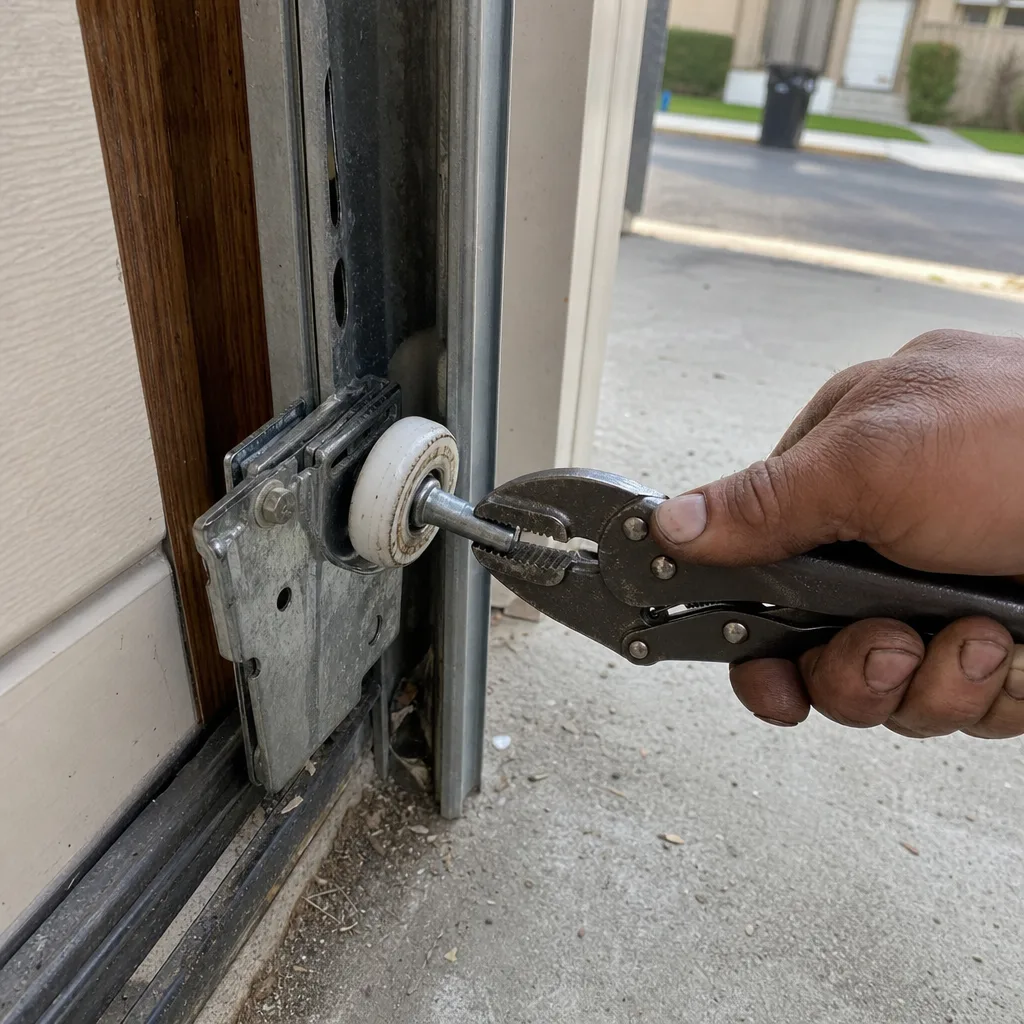
Last updated November 3, 2026
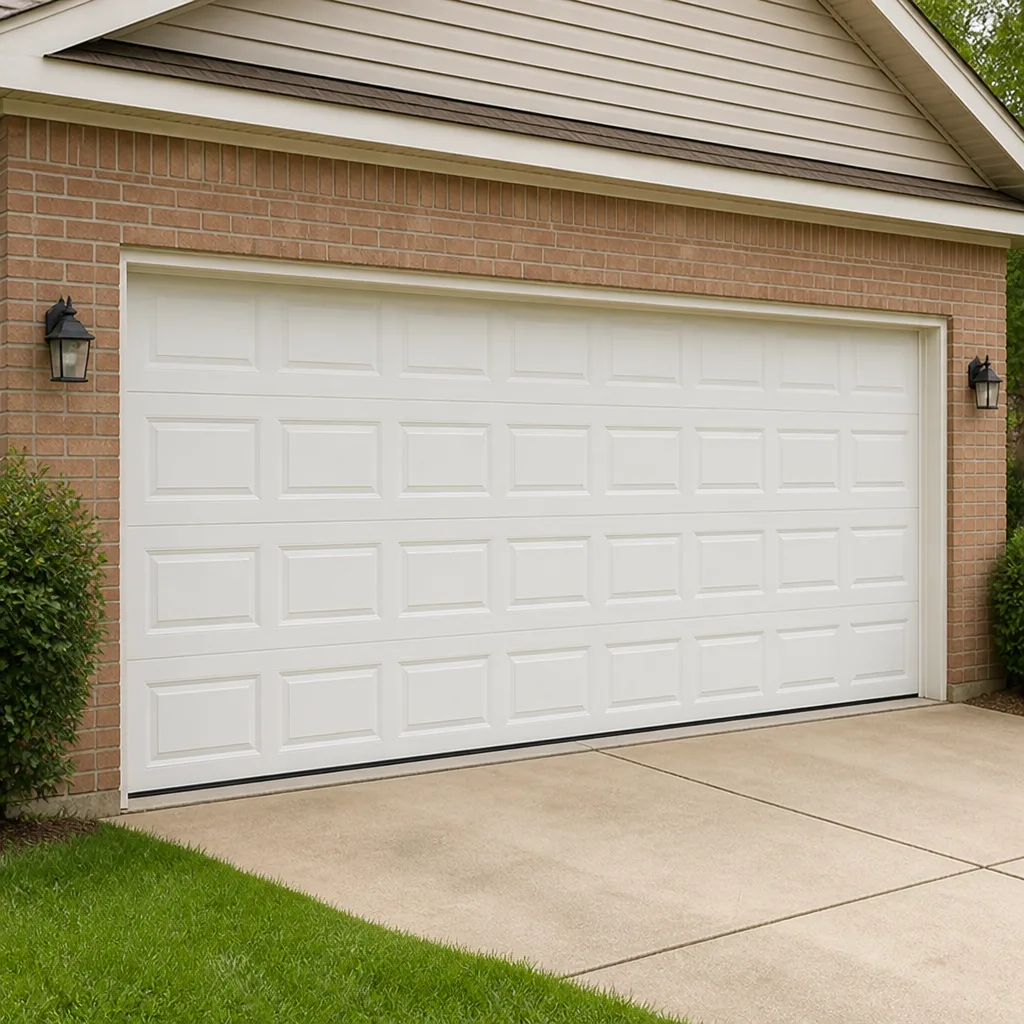 Raised-panel steel
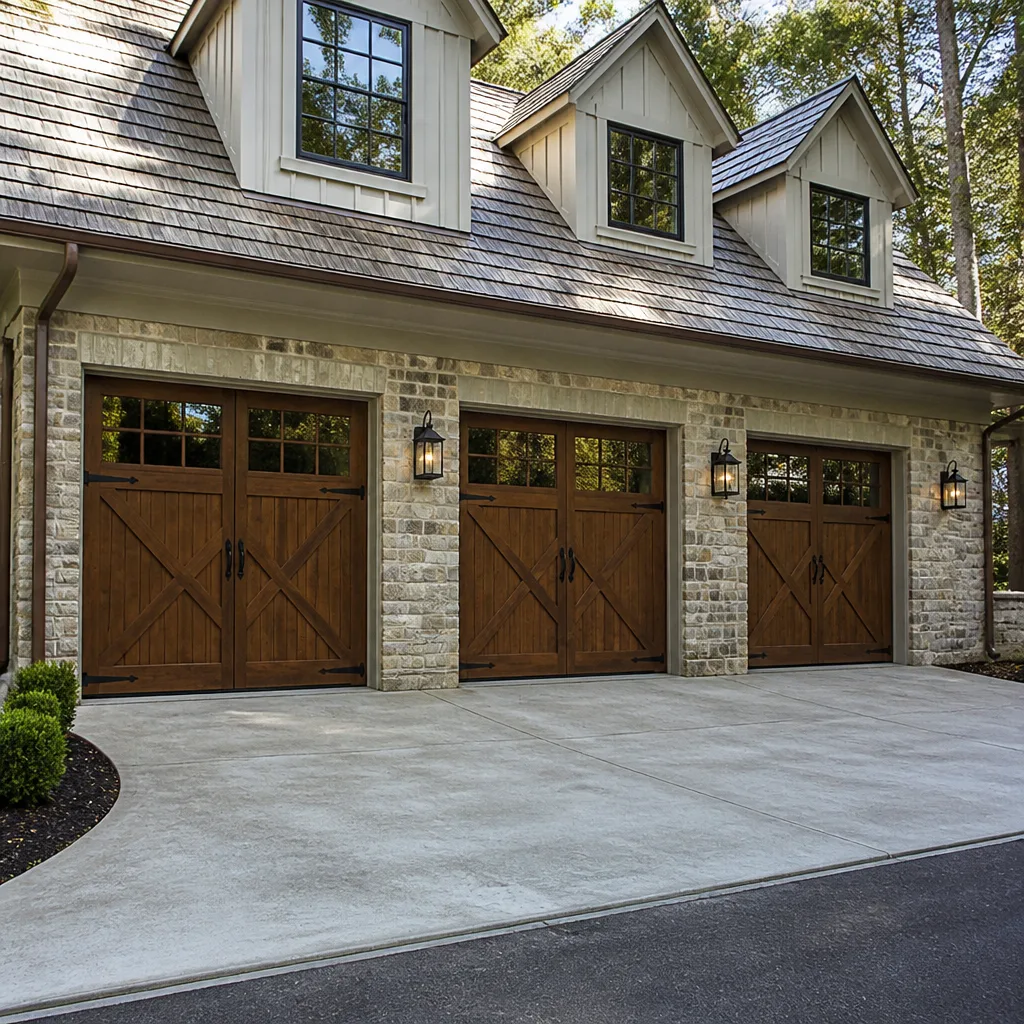 Carriage house
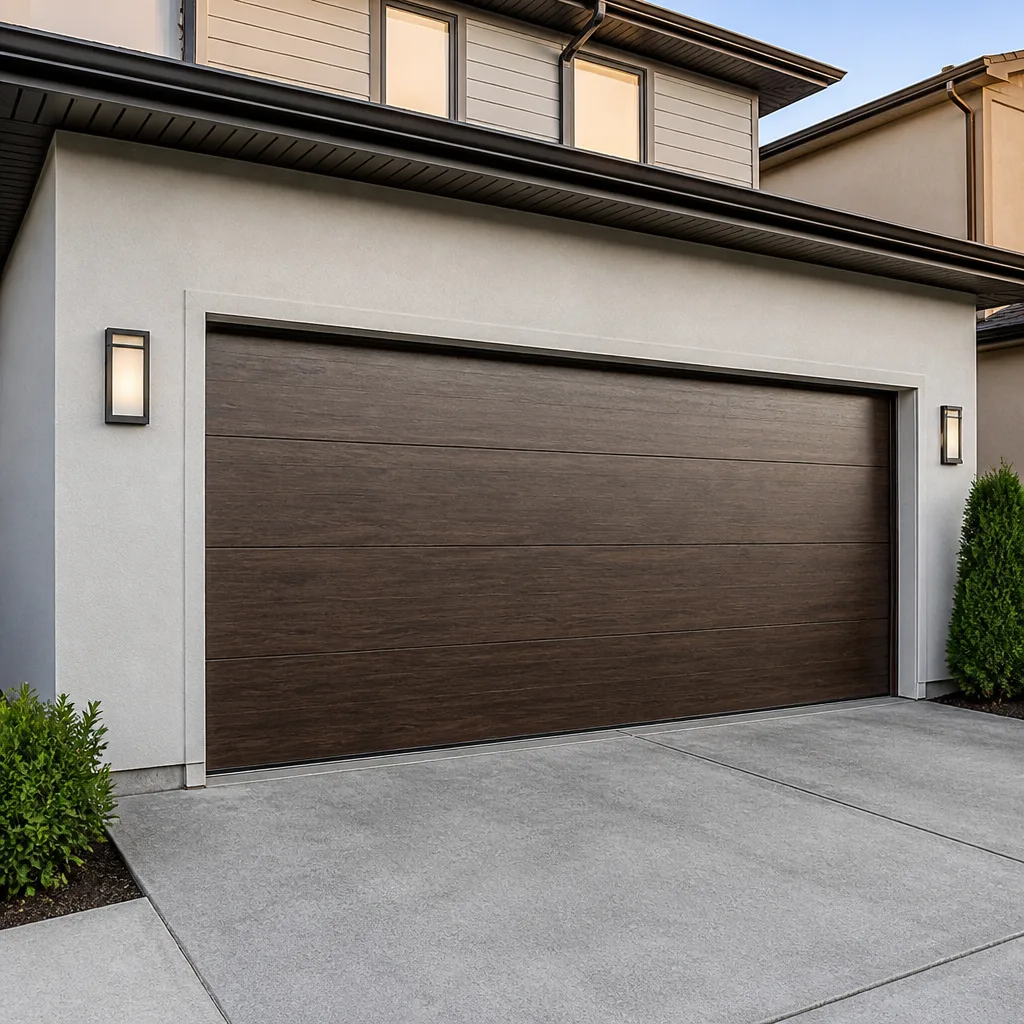 Modern flush
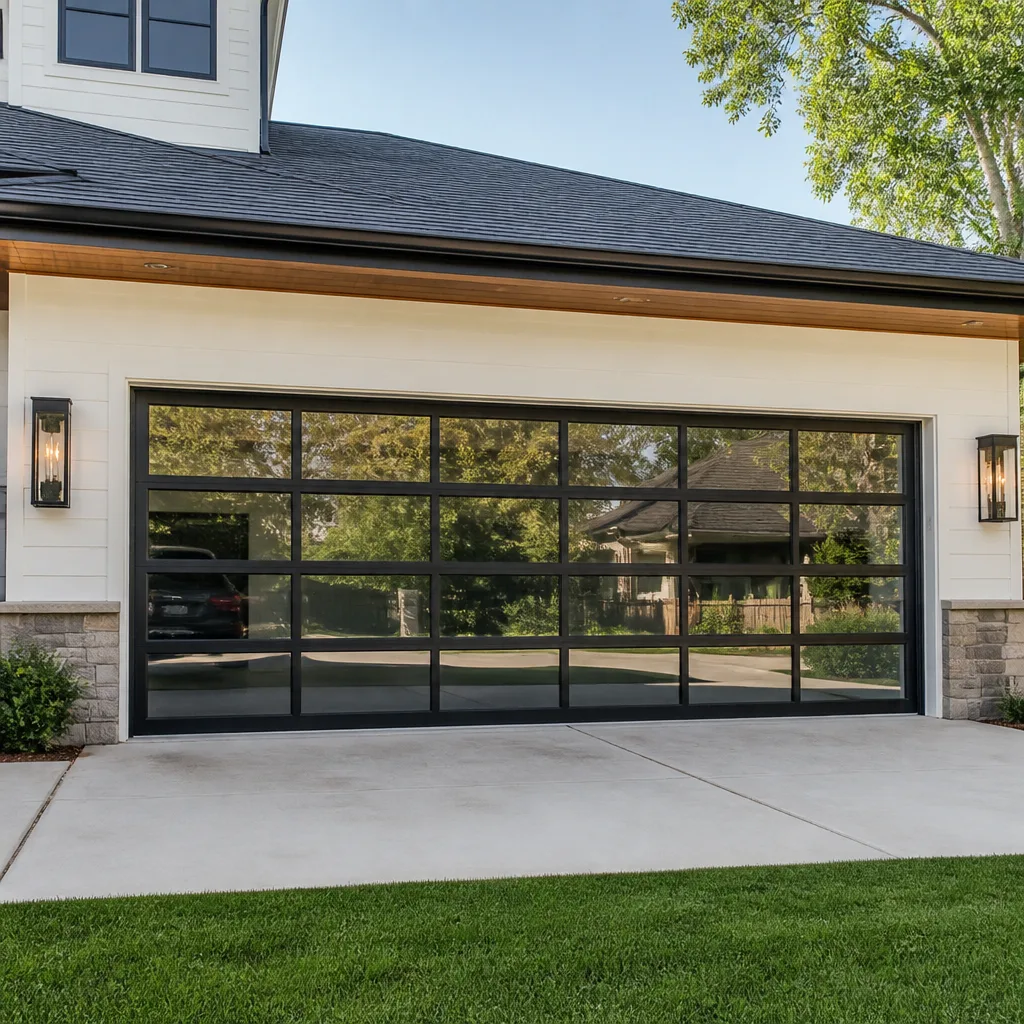 Full-view glass
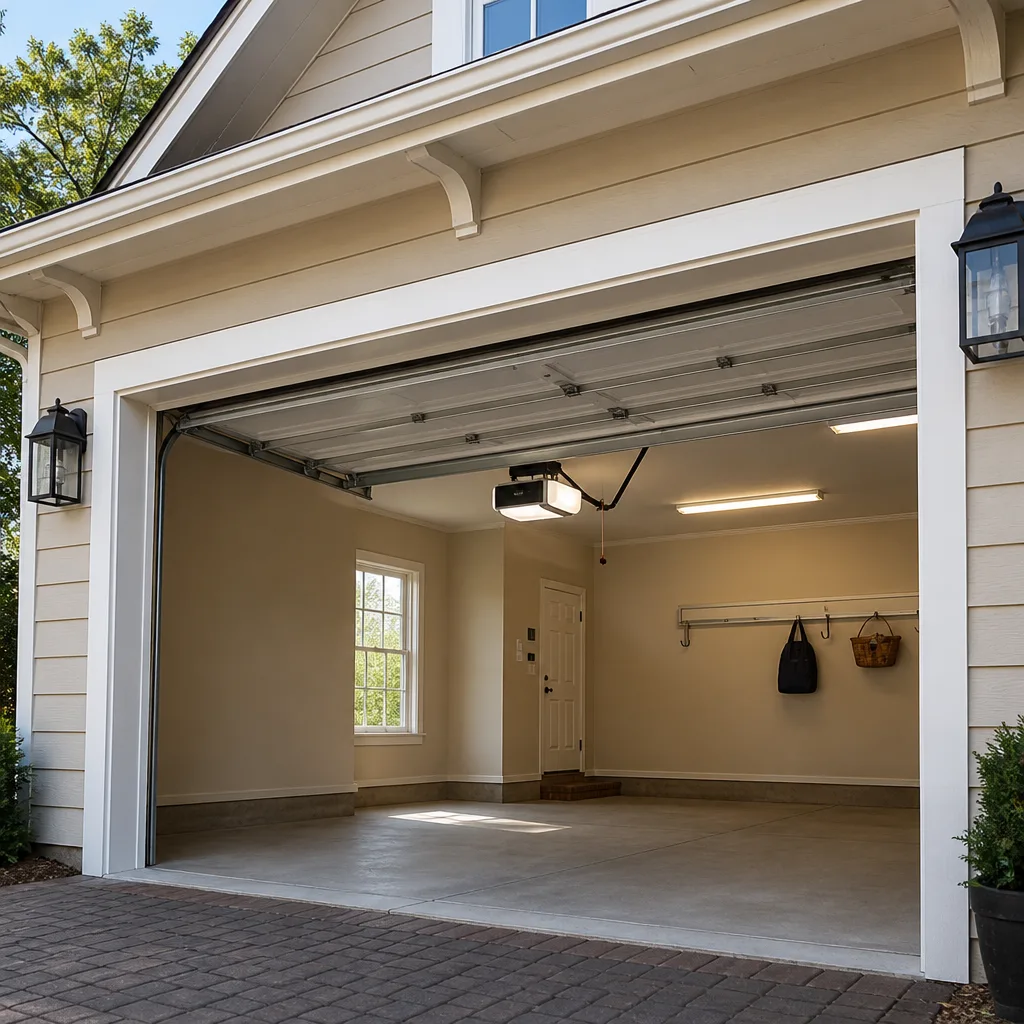 LiftMaster openers
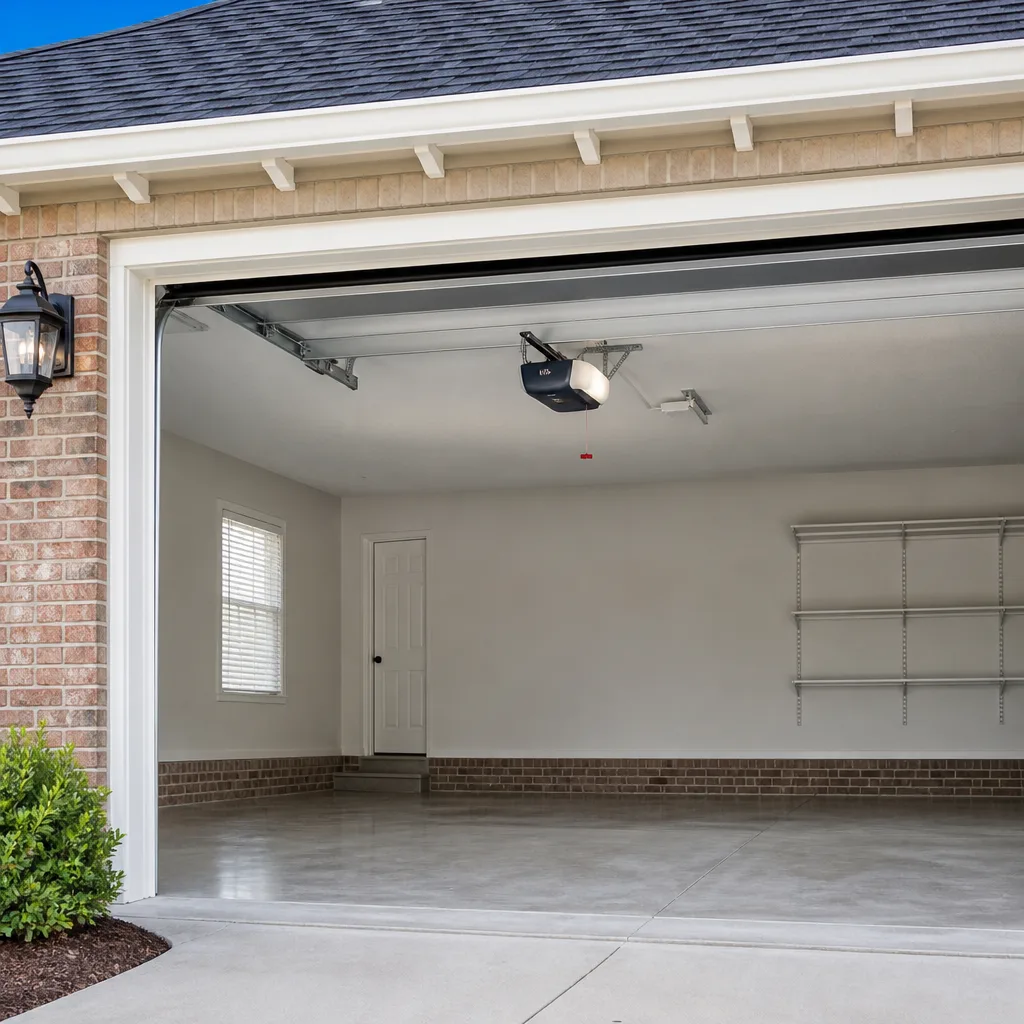 Chamberlain openers
Full 25-point door and opener safety check with every visit - springs, cables, rollers, tracks, and your LiftMaster or Chamberlain opener included
You get a price before we start. It does not change when the truck arrives.
Get your free estimateThe Complete Garage Door Repair Guide for East Los Angeles Homeowners
Most The Complete Guide to Garage Door in East Los Angeles alternatives read like they were written for a suburb in Ohio. Flat driveways, mild humidity, no seismic retrofit requirements. East Los Angeles is none of those things. The marine layer that rolls up the 710 corridor, the temperature swings between March mornings and August afternoons, the 1950s and 60s housing stock built before modern opener safety standards, and the fact that we sit on one of the most active fault systems in California all combine to wear out garage doors faster than manufacturer timelines predict. This guide exists because nobody else wrote the one East Los Angeles homeowners actually need. We’ll walk through what fails here and why, how to tell which repairs are safe to attempt yourself, what the local code requires, and how to avoid paying for the same failure twice.
Here’s the part most guides miss: your garage door isn’t breaking by accident. It’s responding to a specific set of local conditions, and if you don’t address those conditions, the fix won’t last. We’ve worked on doors in El Sereno, Boyle Heights, Lincoln Heights, and City Terrace long enough to see the patterns. This guide is those patterns, written down.
Quick Answer
Garage door repair in East Los Angeles typically costs between $125 and $450 for most common failures, including broken spring replacement, cable repair, sensor realignment, and track adjustments. The specific price depends on the brand of door, the type of spring system (torsion vs. extension), and whether the problem is isolated to one component or reflects broader wear from coastal air and seismic movement that’s common in this zip code. Most repairs can be completed same-day by a technician providing Garage Door Repair services, but safety code compliance should be checked on any home built before 1993.
Styles & brands we work with
- Raised-panel steel
- Carriage house
- Modern flush
- Full-view glass
- LiftMaster openers
- Chamberlain openers
Table of Contents
- Why East LA Garage Doors Fail Differently
- The Anatomy of Your Garage Door System
- Common Repairs and What They Cost in East LA
- Step-by-Step: Diagnosing What’s Actually Wrong
- Seismic Safety and Code Compliance in East Los Angeles
- Brand-Specific Repair Patterns We See Most Often
- Documenting Repairs to Avoid Paying Twice
- Common Mistakes to Avoid
- When to Call a Professional
- Frequently Asked Questions
Why East LA Garage Doors Fail Differently
East Los Angeles sits in a unique microclimate that accelerates garage door wear in ways generic manufacturer timelines don’t account for. If you bought a door rated for 10,000 cycles, that number assumes a dry, stable environment. That’s not what happens in this part of the county.
The marine layer that pushes inland overnight brings salt-laced moisture and humidity levels that hover between 60 and 80 percent for large portions of the year. When that moisture settles on bare metal springs and cables, oxidation starts early. We regularly pull torsion springs off doors in Boyle Heights that show surface rust within five years of installation. The same spring in a dry inland market might go twelve years before showing that kind of corrosion. Rust doesn’t just weaken the spring, it creates friction points on the coil surface, which changes the way the spring loads and unloads, which in turn puts uneven stress on the cable drums. The first visible symptom is usually a door that opens slightly crooked or hesitates partway up. The root cause is usually corrosion you can’t see without removing the spring.
Temperature swings matter too. East LA regularly sees 20 to 30 degree differences between early morning and mid-afternoon. That daily expansion and contraction works on door panels, but it hits rollers and hinges hardest. Nylon rollers handle it better than steel, but older doors with metal rollers through metal hinges will wear out noticeably faster here than in more temperature-stable areas. We see more cracked hinge brackets on homes in El Sereno and Lincoln Heights than most guides would predict for the age of the doors.
Then there’s the ground itself. East LA sits on active fault zones, and even minor seismic activity, the ones you barely feel, shift door tracks and knock sensors out of alignment. A 2.8 magnitude tremor isn’t going to knock your house down, but it can absolutely push a track 3/16 of an inch out of square. The door still runs, so you don’t notice, but the rollers are now grinding against the track at a slight angle. Three months later, you’ve got a torn cable or a burned-out opener motor. The door was never “broken” after the quake, it was just slightly out of tolerance, and that tolerance gap became the actual failure.
Understanding these local factors is the difference between repairing a door and actually fixing it. Most homeowners in East Los Angeles are dealing with one of these underlying causes, whether they know it or not, which is why the same component sometimes fails twice on the same door within two years.
The Anatomy of Your Garage Door System
Every garage door, regardless of brand, is a system of interacting parts. Understanding the basic components helps you describe problems accurately, which gets you a more accurate diagnosis, whether you’re talking to us or to any other contractor in East Los Angeles.
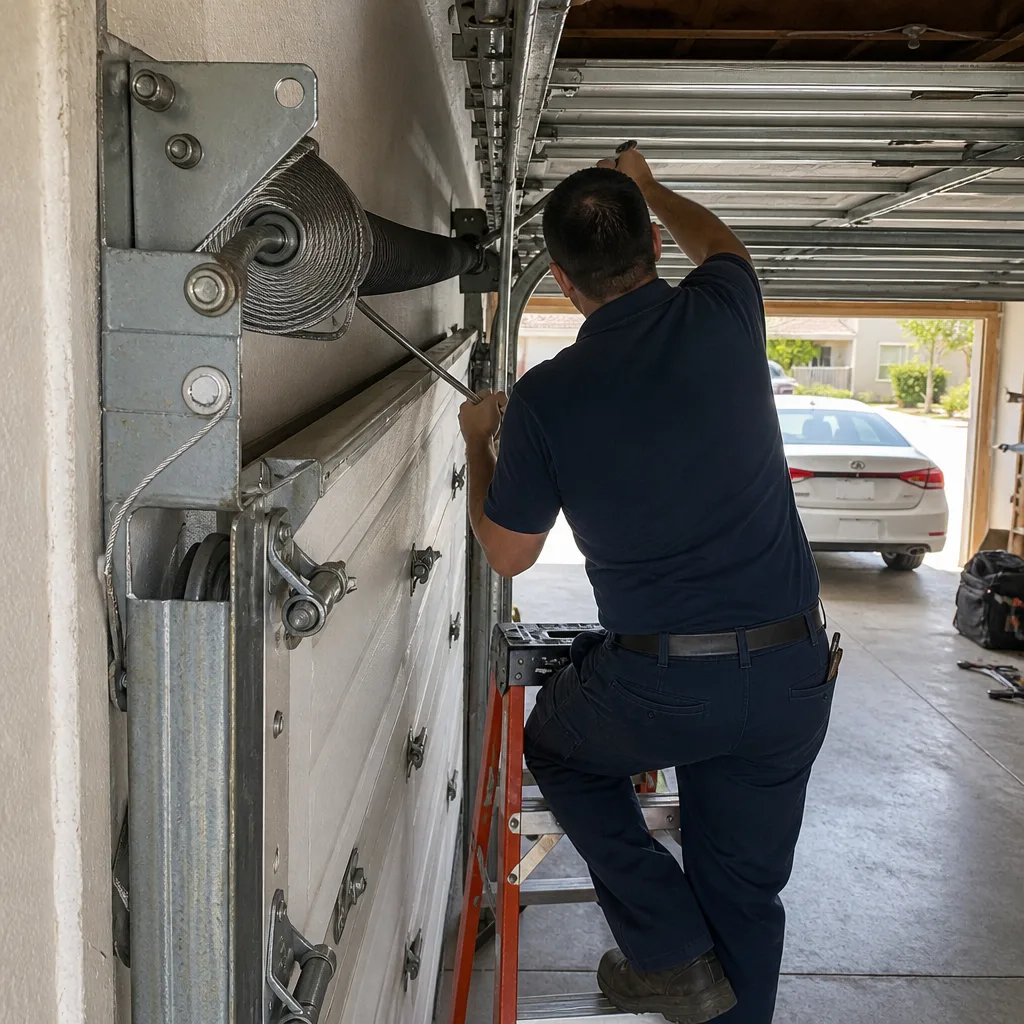
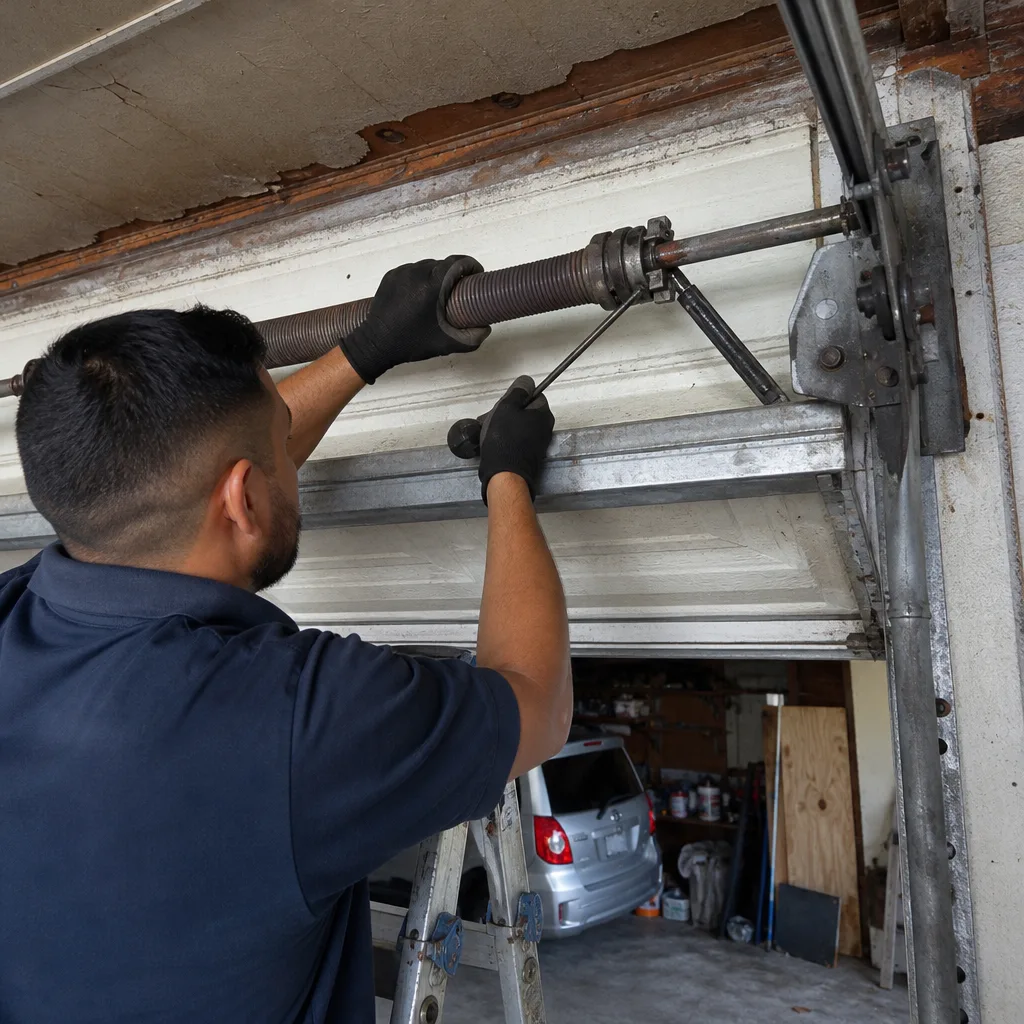
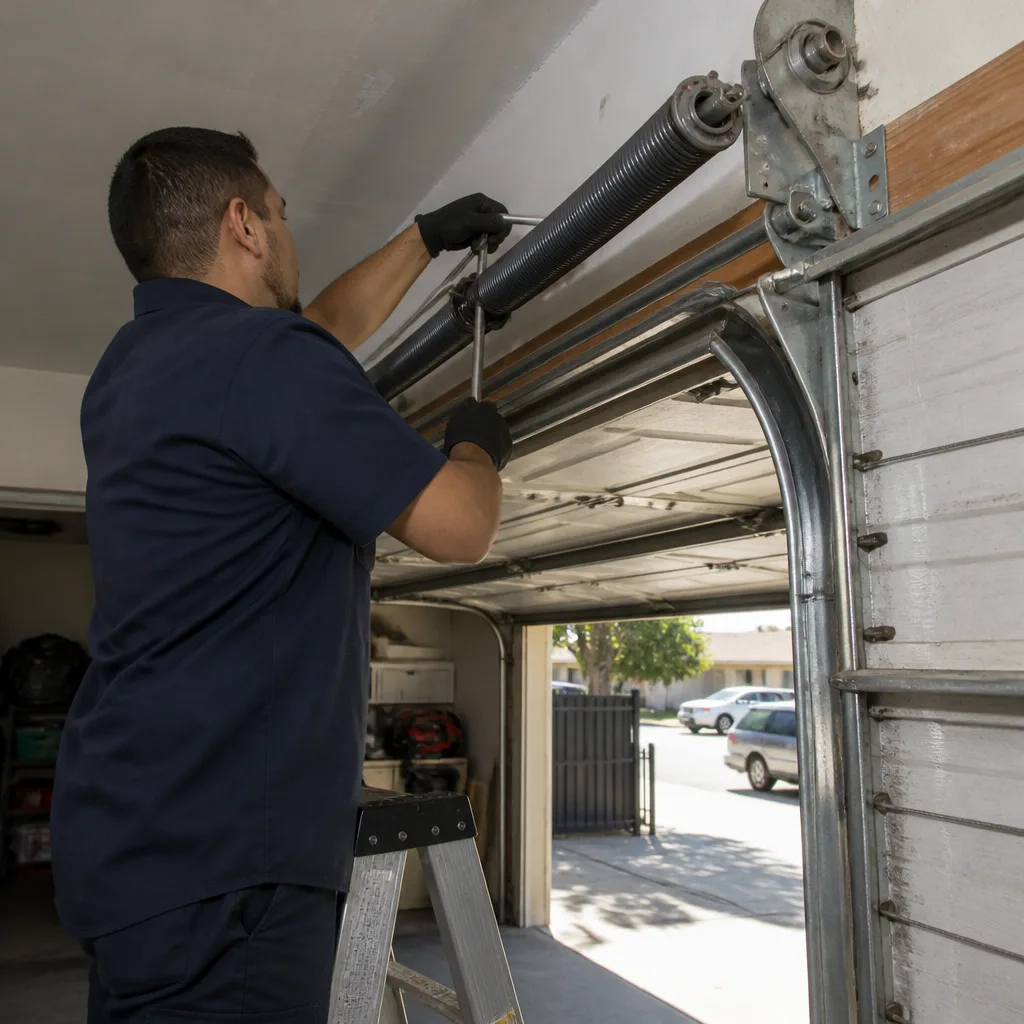
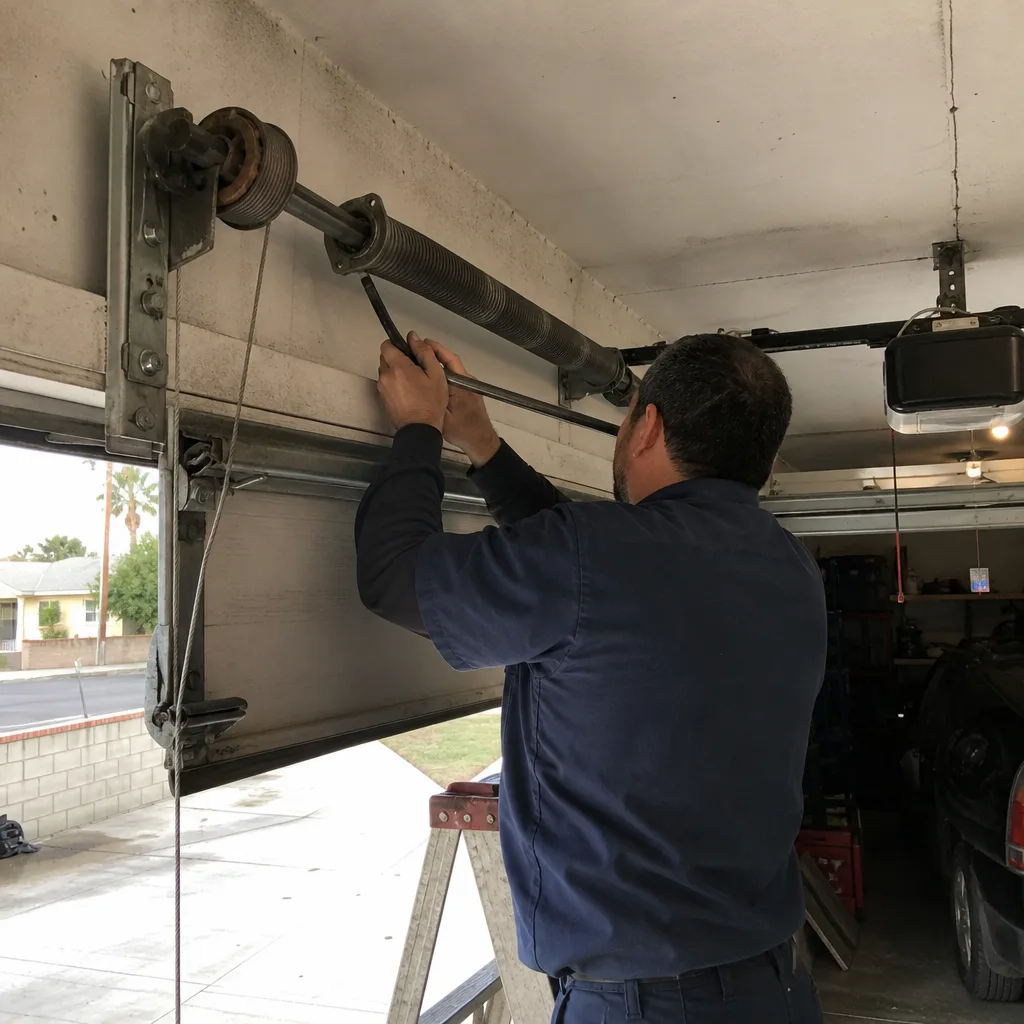
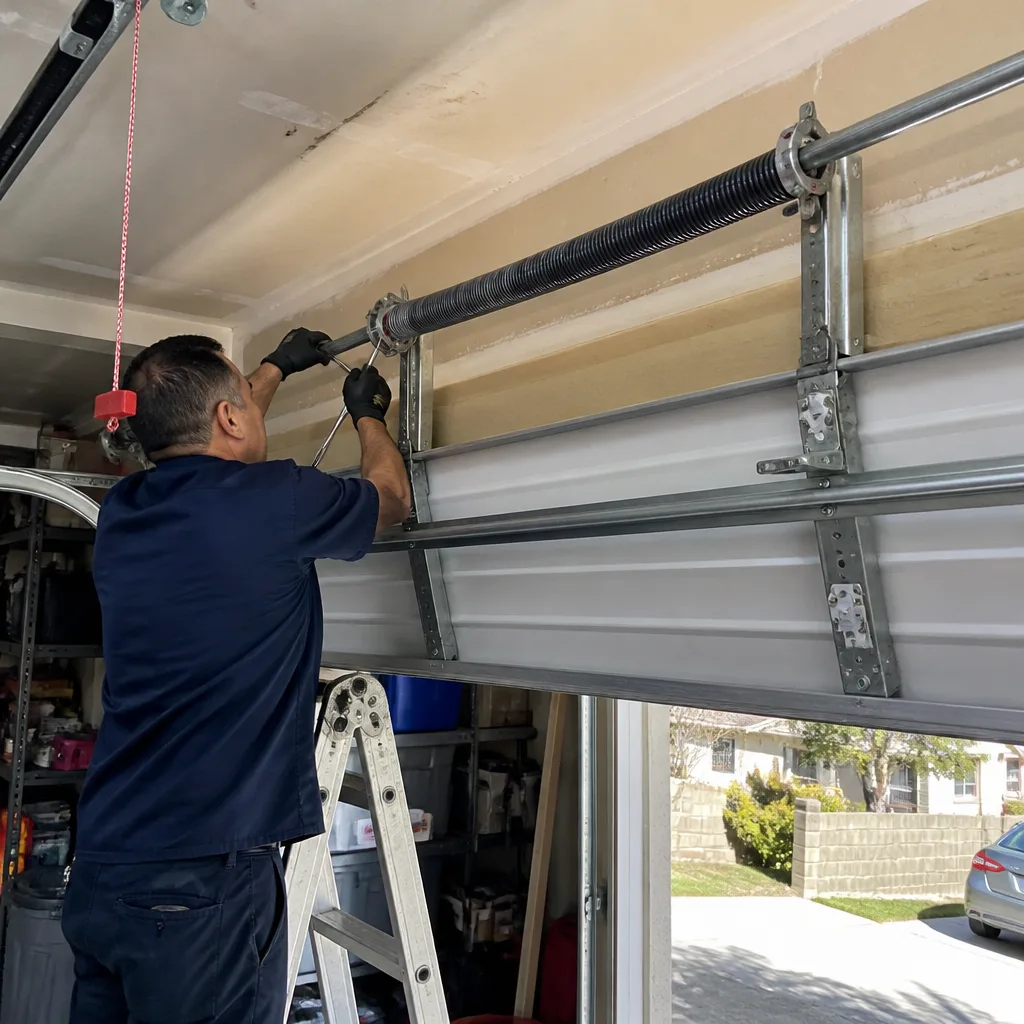
Springs: Every garage door has a spring system that counterbalances the door’s weight. Torsion springs are mounted on a shaft above the door opening and wind up as the door closes. Extension springs are mounted on tracks on either side and stretch when the door closes. Torsion systems are more common on doors made after the 1980s, but many East LA homes built in the 50s and 60s still have extension spring systems, often original to the house.
Cables: Cables work with the springs to lift and lower the door. On torsion systems, cables wrap around drums at each end of the shaft. On extension systems, cables run from the spring through pulleys. Cables are high-tension components. When one snaps, it releases stored energy violently.
Rollers and Hinges: Rollers guide the door along the tracks. Hinges connect the individual panels and allow the door to flex as it moves. Both are wear items, and both wear faster in coastal humidity.
Tracks: Vertical tracks on the sides, horizontal track sections running back into the garage, and the curved transition between them. Track alignment is critical, and in East LA, seismic activity makes it a more common failure point than most homeowners realize.
Opener: The motor unit that automates the door. It’s connected to the door by a rail and a trolley or arm. The opener does not lift the weight of the door, the springs do. If your opener is straining, the spring system has usually failed or lost tension, and the opener is trying to compensate.
Sensors and Safety Features: Photo-eye sensors near the base of the door, force sensitivity settings, and auto-reverse mechanisms. These are mandated by federal law for any opener manufactured after 1993. California has additional seismic requirements we’ll cover below.
Common Repairs and What They Cost in East LA
Here’s what we actually see on service calls across East Los Angeles, with realistic price ranges for this market. These are not national averages, they reflect what repair work costs in this area specifically.
Broken Torsion Spring Replacement: $180 to $340 per spring, including labor. Most doors have two springs, and both should generally be replaced at the same time, even if only one has snapped, because they wear at roughly the same rate. In East LA’s humid conditions, we often recommend upgrading to rust-resistant springs on doors that show early corrosion. The cost difference is modest and the life extension is real.
Broken Extension Spring Replacement: $140 to $260. Older East LA homes with original 1960s doors commonly have these. They’re less expensive than torsion springs, but the safety cables that should run through the center of each spring are frequently missing, which is a genuine hazard.
Cable Replacement: $120 to $200. Torn or frayed cables are one of the most common calls we get in El Sereno and Lincoln Heights, often after mild seismic activity shifted a track and put extra load on one side.
Sensor Realignment or Replacement: $80 to $160. Often a simple realignment fixes it, but older sensors that have been knocked around by years of door vibration, or that got whacked by a trash can, may need replacing.
Track Adjustment or Repair: $100 to $250 depending on severity. This is the repair most often needed after small earthquakes in East Los Angeles.
Opener Repair: $100 to $300. This could mean gear replacement, logic board issues, trolley repairs, or reprogramming. Modern smart openers, like LiftMaster and Chamberlain units with MyQ technology, sometimes just need a reprogramming step rather than hardware replacement. Older Craftsman units may have parts availability issues that affect cost.
Full Door Replacement: $1,200 to $4,500 installed, depending on size, insulation, brand, and window/lite packages. New installation often includes upgraded spring systems, new tracks, and modern safety features, particularly if the home predates current code requirements.
Every repair we quote in East Los Angeles includes the price agreed upon before any work starts. You’ll know what the repair costs before the wrench comes out. No repair should ever be a surprise at the invoice stage.
Step-by-Step: Diagnosing What’s Actually Wrong
Before you call anyone, here’s a structured way to figure out what’s actually happening with your door. This will save time on the phone and helps you describe the problem accurately.
- Release the opener. Pull the emergency release cord (usually a red handle hanging from the trolley). This disconnects the door from the opener motor. Now manually open and close the door. You’re separating electrical problems from mechanical ones.
- Test the door’s weight. With the opener disengaged, a properly balanced door should be liftable with one hand and should stay in place about halfway up without sliding down or shooting up. If the door feels heavy, the springs are failing or broken. If it slams down, the spring tension is severely compromised. Do not attempt to force it open.
- Listen as you lift. Grinding or scraping means a roller or hinge problem. Popping or snapping sounds during lifting indicate a spring issue. A rhythmic thumping means a roller has seized or a track is bent.
- Check the tracks visually. Look for visible gaps between the roller and the track, or any point where the track looks pinched, bowed, or pulled away from the wall. Minor seismic shift often shows up as a track that’s fine at the bottom but visibly out of alignment at the top or in the curve.
- Inspect the springs. For torsion springs, look at the coil gap. A break usually shows as a two or three inch gap in the coil. For extension springs, look for visible stretching or a clean break. This is a visual inspection only on a closed door. Do not touch or attempt to adjust the springs.
- Reconnect the opener and test. If the door operates fine manually but struggles with the opener, you’ve isolated the problem to the opener or sensors. If it struggles both ways, the problem is mechanical: springs, cables, rollers, or tracks.
This diagnosis process won’t fix your door, but it will tell you whether you’re calling for an opener issue or a spring issue, and that information gets you a more accurate phone estimate and a faster repair.
Seismic Safety and Code Compliance in East Los Angeles
California has specific requirements for garage door openers that go beyond federal standards, and many older East Los Angeles homes are not in compliance. This matters for safety, for insurance, and for resale value.
The key standard for this area is the California Building Code requirement that garage door openers installed or replaced after 2017 include a battery backup system that allows the opener to function during a power outage. The reasoning is specific to earthquake zones: after a major seismic event, the power is out, and your car is trapped in the garage. That car is often your evacuation vehicle or your route to medical care. A battery backup opener means you can open the door manually or electronically without fighting a dead motor.
If your East LA home has an opener that was installed before 2017, there’s a good chance it does not have this battery backup. That’s not a violation that gets you fined, but it is a known safety gap, and many homeowners in Boyle Heights and Lincoln Heights discover it only when they try to sell and the home inspector flags it.
Beyond the battery backup requirement, there’s the issue of older openers on homes built before the 1991 UBC seismic retrofit requirements took full effect. Some of these homes still have original openers with no photo-eye sensors, or sensors that have been permanently wired open, often by previous owners who were tired of the door refusing to close. That’s a safety hazard on any door, but on an older door with original extension springs, it’s a genuine risk. Auto-reverse sensors are the only thing stopping a closing door from striking a person, a pet, or a car.
We recommend every East Los Angeles homeowner verify three things: that the opener has photo-eye sensors that are currently functional, that the opener has a working auto-reverse mechanism, and that the system has battery backup capability. Two of those three rarely get checked by homeowners. All three are cheap to confirm and not expensive to address.
Brand-Specific Repair Patterns We See Most Often
Across East Los Angeles, the installed base of garage doors and openers is heavily weighted toward a few manufacturers. The housing stock here was built in waves, and the doors typically match the era. Working on the common brands means seeing the same failure patterns repeat across hundreds of homes. Here’s what that looks like.
Wayne Dalton doors dominate the older housing stock in East LA, particularly on homes built from the 1950s through the 1980s. The most common issue we see is the TorqueMaster spring system, which is a torsion spring enclosed inside a tube, rather than exposed on a shaft. The enclosure makes it harder to visually inspect, so homeowners don’t notice wear until the spring breaks. We also see more cable drum wear on Wayne Dalton doors than on other brands, and the fix is usually straightforward once the tube is opened.
Clopay doors are the most common replacement door in the neighborhood, and they have a different set of characteristics. The most frequent Clopay call we get is a door that has gone slightly out of balance due to spring fatigue, not a hard break. The springs simply lose tension over time, especially in humid conditions. Homeowners notice the door feels heavier or the opener is working harder. A spring adjustment or replacement restores it, but the early symptom is easy to miss.
CHI doors show up on more recent builds and renovations, and they’re built differently, with heavier-duty hardware as a general rule. We see fewer spring failures on CHI doors of the same age as Clopay or Wayne Dalton, but more roller and hinge replacements, particularly on doors with steel roller setups. The hardware is solid, but the rollers are a wear point, and East LA’s temperature swings accelerate it.
On the opener side, LiftMaster and Chamberlain account for the majority of what’s installed in East Los Angeles, from older chain-drive units to current smart-home models with MyQ connectivity. The most common repair is a stripped drive gear on older units, followed by logic board failures on units that have been through multiple power surges. East LA’s older electrical grids, with older panels and wiring, produce more surge-related opener failures than you’d see in newer subdivisions.
Older Craftsman openers still show up regularly on original installations. These units are workhorses, but parts availability has gotten tighter, and we sometimes have to weigh repair cost against replacement cost more carefully on these than on other brands. A Craftsman opener from 1995 may be fully functional, but if the logic board goes, the replacement board can cost more than a new Chamberlain unit.
The advantage of working with a technician who knows all of these brands, versus going the DIY vs Professional Garage Door: The East Los Angeles Homeowner’s Decision Guide route, is that the diagnosis starts from what your system actually is, not from what’s easiest to replace. Repair before replace means exactly that: if the existing door or opener can be properly and safely fixed, that’s the recommendation. Replacement should be a conscious choice based on the condition of the whole system, not a default.
Documenting Repairs to Avoid Paying Twice
Here’s a common East LA scenario: a homeowner has a spring replaced by one contractor, then two years later a different contractor is called out for another problem on the same door. The new technician has no history, so they replace a cable or a sensor, but the actual root cause, maybe a slightly shifted track from a small quake, was never addressed. The homeowner pays for two repairs on the same door that should have been one.
For more guides & resources, the fix is simple: keep a repair log. It doesn’t need to be elaborate. A note in your phone works. What matters is recording the date of the repair, the component replaced, the brand and model of the component, and any notes the technician gave you about the rest of the system.
When you call for any garage door repair in East Los Angeles, that history changes the conversation. If you can say, “We had the left torsion spring replaced in March 2024 and the tech mentioned the cable drums were starting to wear,” the next call is faster and more targeted. If you can say, “We had the springs replaced last year by a different company and the door is heavy again,” that’s a diagnostic clue, not just a request for repeat work.
Good repair records also help when you’re comparing quotes. If one contractor quotes you for a spring replacement and another wants to replace the entire door, having the history of what’s already been done on that door helps you evaluate whether the larger quote is justified or whether someone is steering you toward a sale because the door is older, even though it’s in serviceable condition. Brand-agnostic diagnosis means the recommendation comes from what the system actually needs, and the more history you have, the better that evaluation works.
Common Mistakes to Avoid
- Ignoring a door that’s slightly heavy or slow. In East LA’s humidity, that “slightly heavy” door is usually a spring losing tension. Catching it early is a spring charge adjustment. Ignoring it for six months becomes a full spring replacement, or worse, a burned-out opener motor trying to compensate.
- Lubricating the wrong parts. People spray WD-40 on everything, but WD-40 is a solvent, not a lubricant. Rollers, hinges, and springs need a silicone or lithium-based lubricant. Using the wrong product on nylon rollers can actually cause them to degrade faster.
- Attempting torsion spring replacement. Torsion springs are under several hundred pounds of tension. Replacing one requires winding bars, proper technique, and an understanding of how the spring load transfers through the shaft and cables. A mistake here causes serious injury. This is not a DIY job, and no responsible guide should present it as one.
- Disabling safety sensors instead of realigning them. The photo-eye sensors are the reason your door doesn’t crush whatever is in the opening. Bypassing them or taping them together is a choice that makes the door work but removes the safety mechanism entirely, and it’s a common find on older East LA doors.
- Replacing only one spring. Springs are a pair and they wear together. Replacing just the broken one means the other is at the same fatigue point and likely to break within months. You pay for labor twice when you could have done both at once.
- Skipping the balance test after any repair. A door that’s out of balance after a repair will eat through rollers, cables, and opener gears faster than any other factor. If a technician doesn’t check balance after the fix, ask them to.
When to Call a Professional
Some repairs are genuinely DIY-safe: lubricating rollers and hinges, tightening loose bolts on hinges and brackets, cleaning and realigning photo-eye sensors, and clearing minor track obstructions. These are maintenance tasks, and a homeowner with basic tools can handle them.
Other repairs are not safe to attempt. Torsion spring replacement is the obvious one: the spring is under high tension and the tools required are specialized. Cable replacement on torsion systems is equally dangerous for the same reason. Track repair after seismic shift requires measuring and re-squaring the track, which is precision work. Any opener repair involving the logic board, force settings, or safety reversal system needs someone who works on that specific brand.
If you’re in East Los Angeles and the problem falls into the professional category, Preston Garage Door Repair offers free estimates on all repair work. We work on LiftMaster, Chamberlain, Genie, Raynor, and the other major brands, and we’ll tell you straight whether a repair makes sense or whether the system has reached the point where replacement is the better long-term choice. Call (833) 573-5280 and we’ll walk through the symptoms with you before scheduling anything.
Frequently Asked Questions
Most garage door repairs in East Los Angeles run between $125 and $450, with spring replacement at the higher end of that range and sensor or minor hardware repairs at the lower end. The exact price depends on your door’s brand, the spring system type, and whether the failure is isolated or part of broader wear from humidity or seismic activity. Call (833) 573-5280 for a specific quote on your door and system.
Yes. California Building Code requires battery backup on garage door openers installed or replaced after 2017, specifically so the door can operate after a seismic event when power is out. Many older East LA homes have openers that don’t meet this standard. We recommend checking whether your opener has battery backup, functional photo-eye sensors, and a working auto-reverse mechanism.
No. Torsion springs are under hundreds of pounds of tension and replacement requires specialized winding bars and training. A mistake during replacement can cause serious injury. This is one repair where the cost of a professional is clearly justified, and it’s the most common serious injury associated with home garage door work.
Seismic activity in East Los Angeles shifts door tracks and pushes them slightly out of square, even in small tremors you barely feel. The door still moves, but it’s binding slightly, which makes the opener work harder. A track adjustment fixes it. If the opener struggles for weeks after a quake, get the track checked before the opener motor burns out.
Preston Garage Door Repair works on eight major manufacturers, including LiftMaster, Chamberlain, Genie, Raynor, Wayne Dalton, Clopay, Amarr, and Craftsman. Whatever brand is on your door, we know it, and the diagnosis is based on your existing system, not on steering you toward a particular brand.
No. We quote the repair price before any work starts and that’s the price you pay. If the technician finds additional problems, those get quoted separately and you approve them before any additional work proceeds. There’s no surprise invoice at the end of a repair.
The Bottom Line
Your garage door in East Los Angeles is dealing with conditions most of the country doesn’t have: marine-layer humidity that accelerates corrosion, daily temperature swings that wear on moving parts, and seismic activity that knocks tracks and sensors out of alignment. The repair framework that works here is different, and it starts with understanding those conditions, not just swapping parts. What most often needs fixing is not a single component but the accumulated wear of a specific environment on a specific system. Knowing your door’s history, keeping a repair log, checking seismic safety compliance, and calling a technician who knows your brand before small problems become major ones is the pattern that saves East LA homeowners money year after year. From the spring to the opener to the panel, the right solution for your system is the fix that addresses the cause, not just the symptom.
For garage door opener repair in East Los Angeles, new garage door installation services, or any other door issue on any major brand, call Preston Garage Door Repair at (833) 573-5280 for a free estimate. We’re the Preston Garage Door Repair team that knows East Los Angeles doors better than anyone, and we’ll give you a straight answer on what your system needs.
Written by the team at Preston Garage Door Repair, serving East Los Angeles since 2018.
See the difference
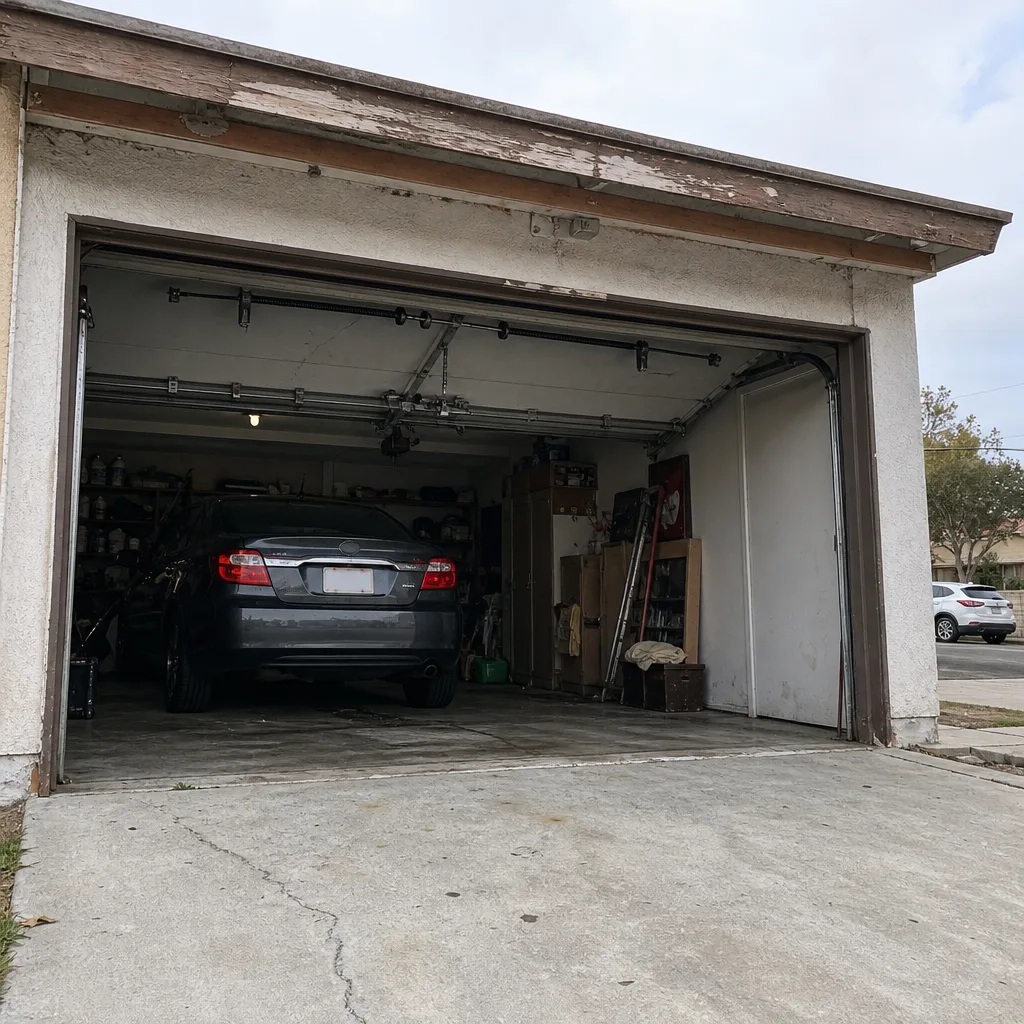 Before
 After
 Before
 After
 Before
 After