
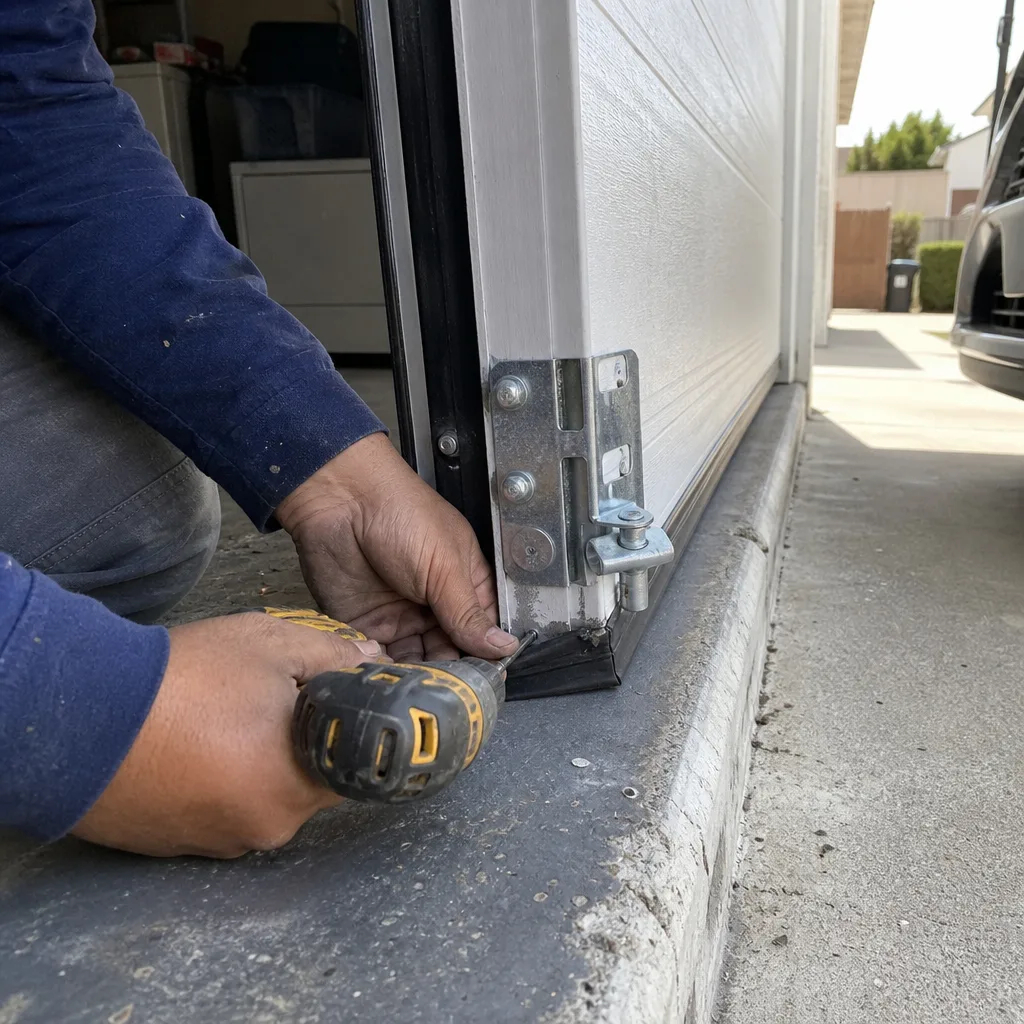
Last updated November 3, 2026
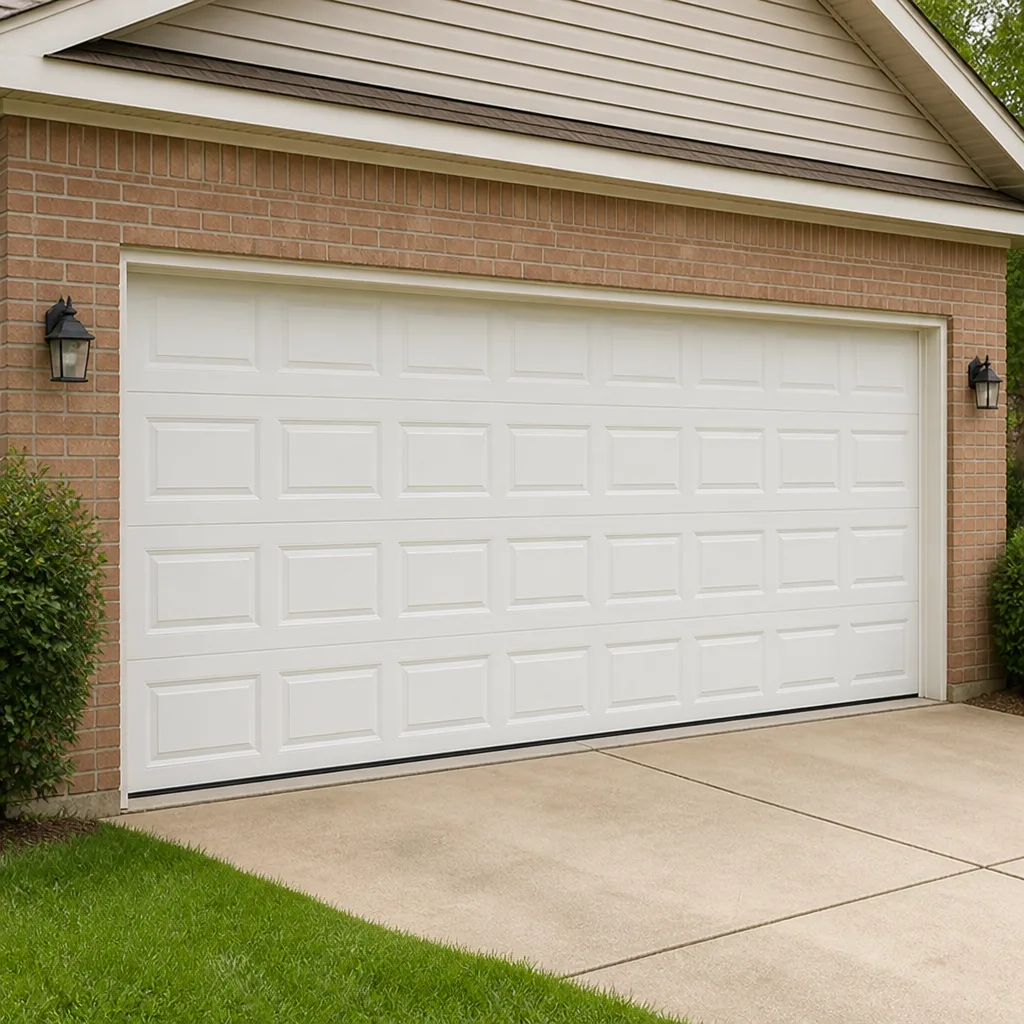 Raised-panel steel
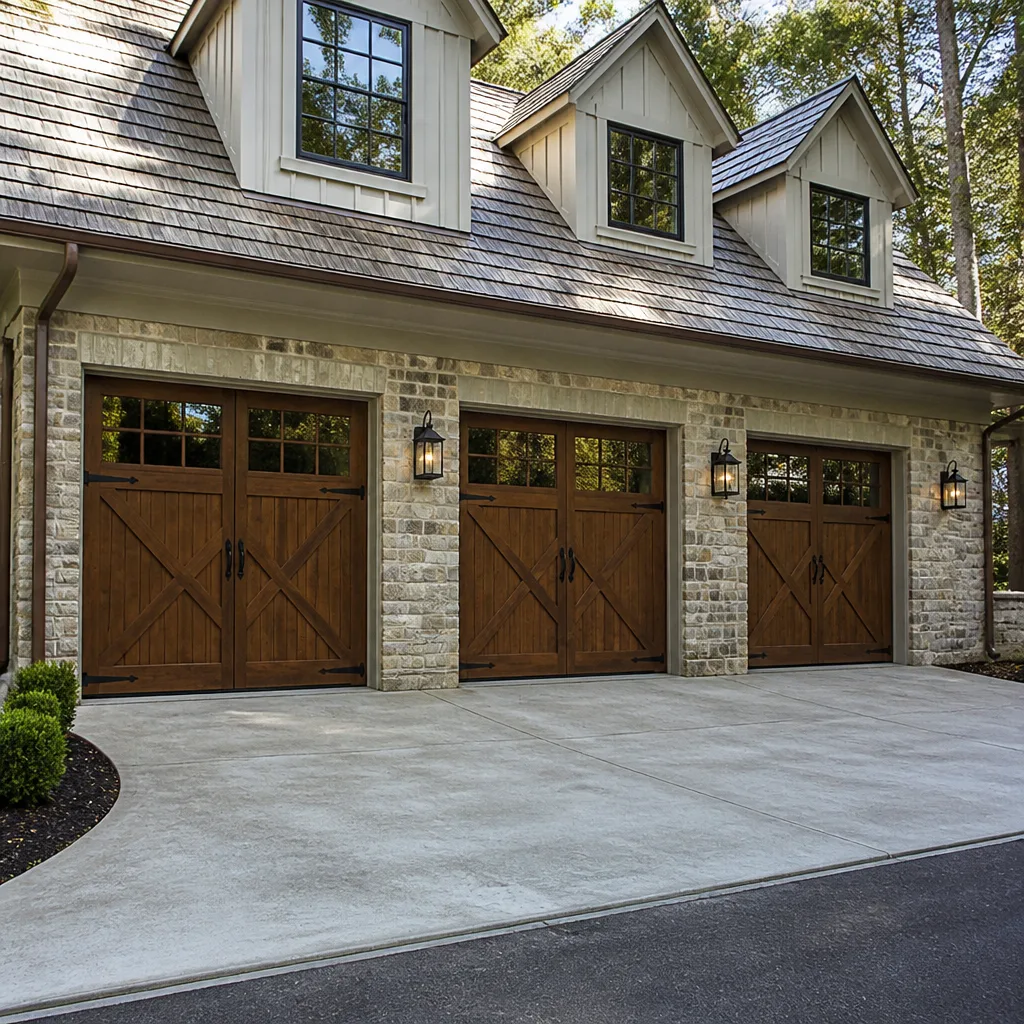 Carriage house
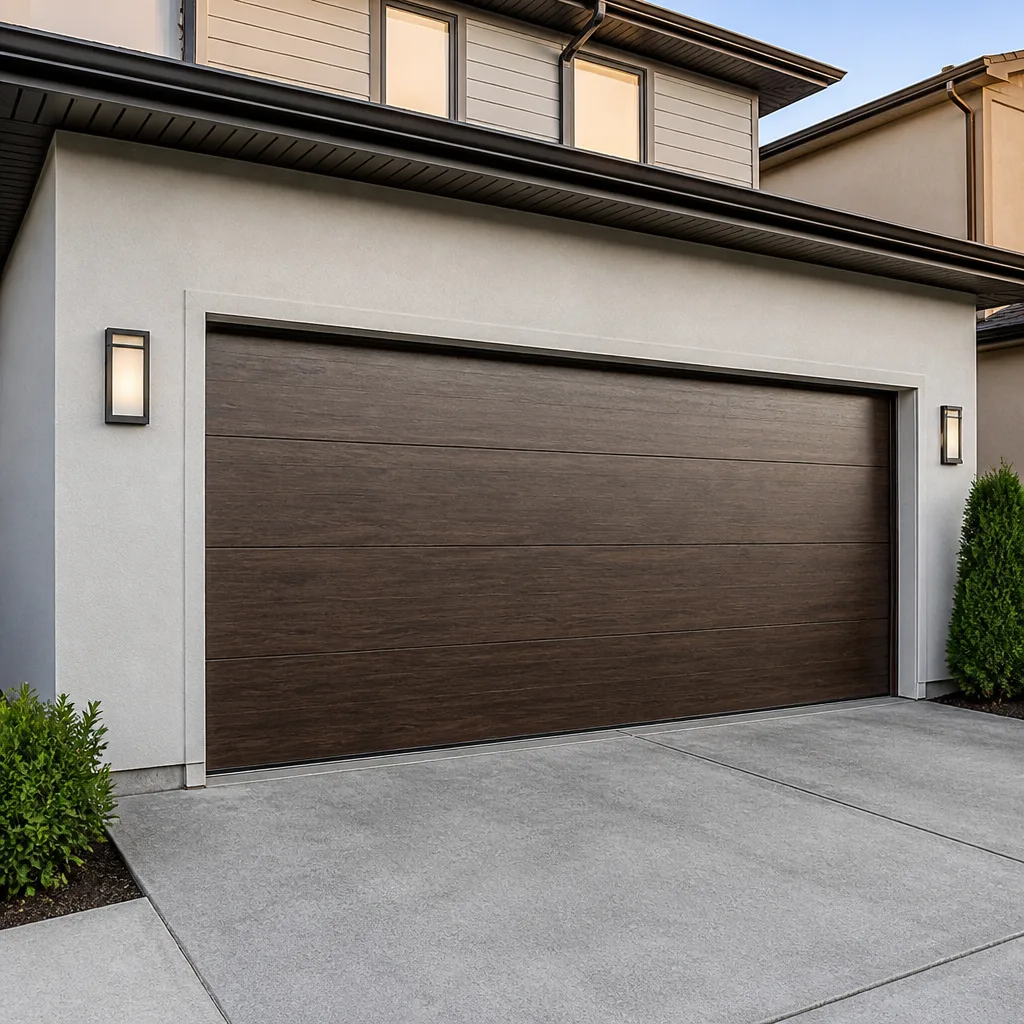 Modern flush
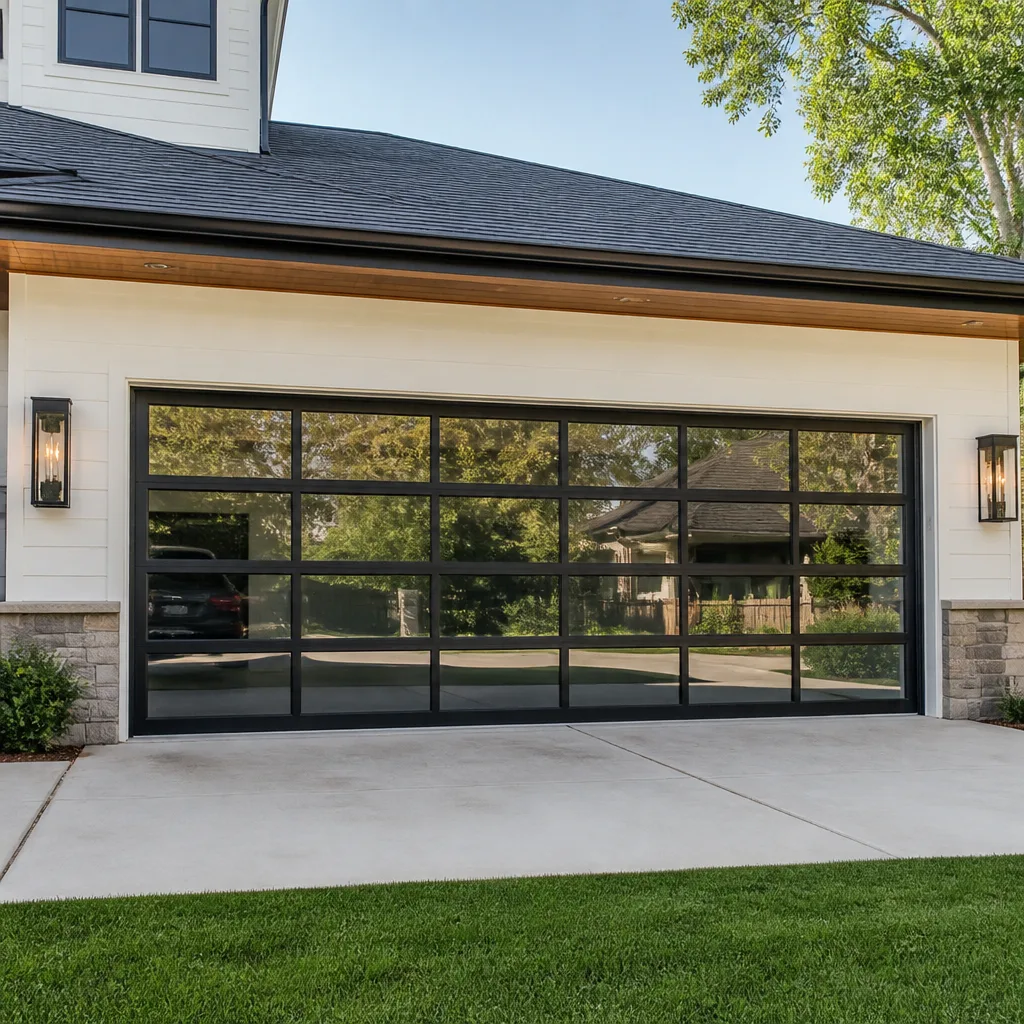 Full-view glass
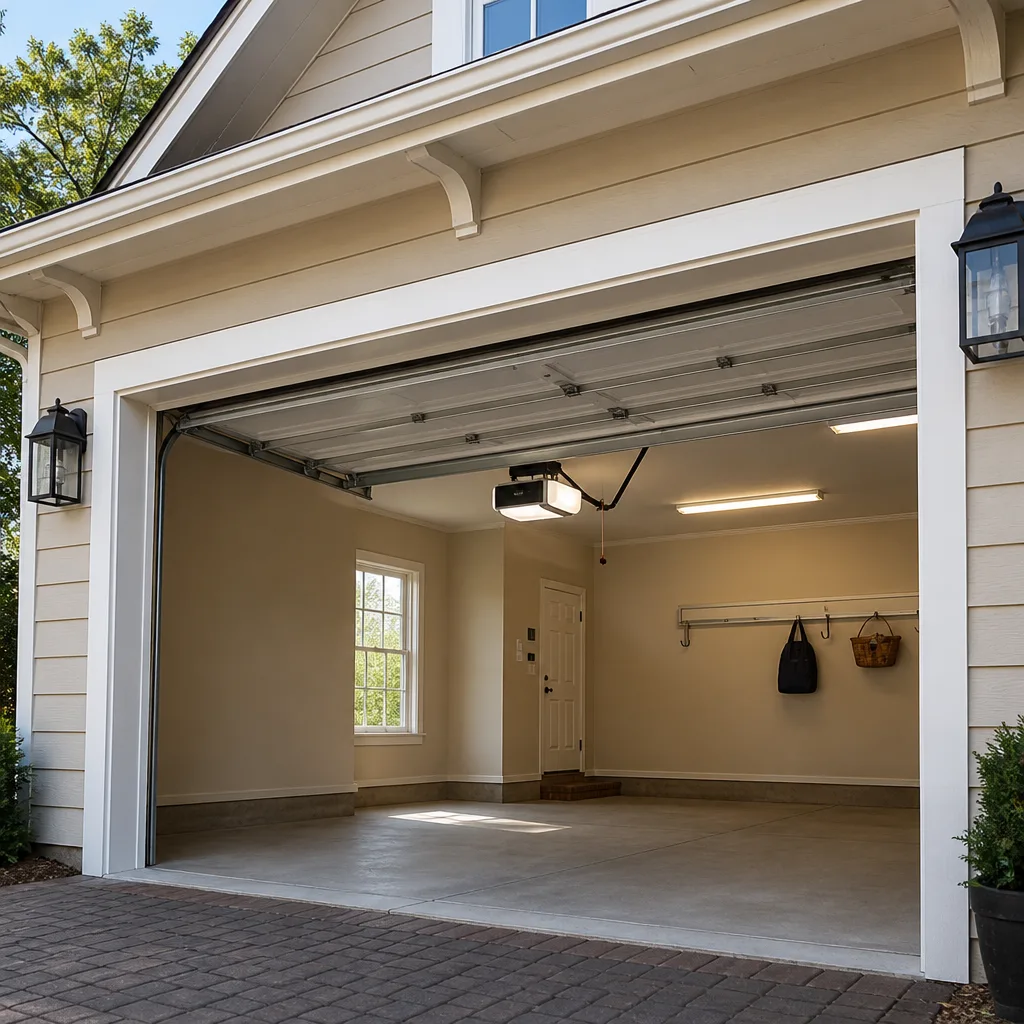 LiftMaster openers
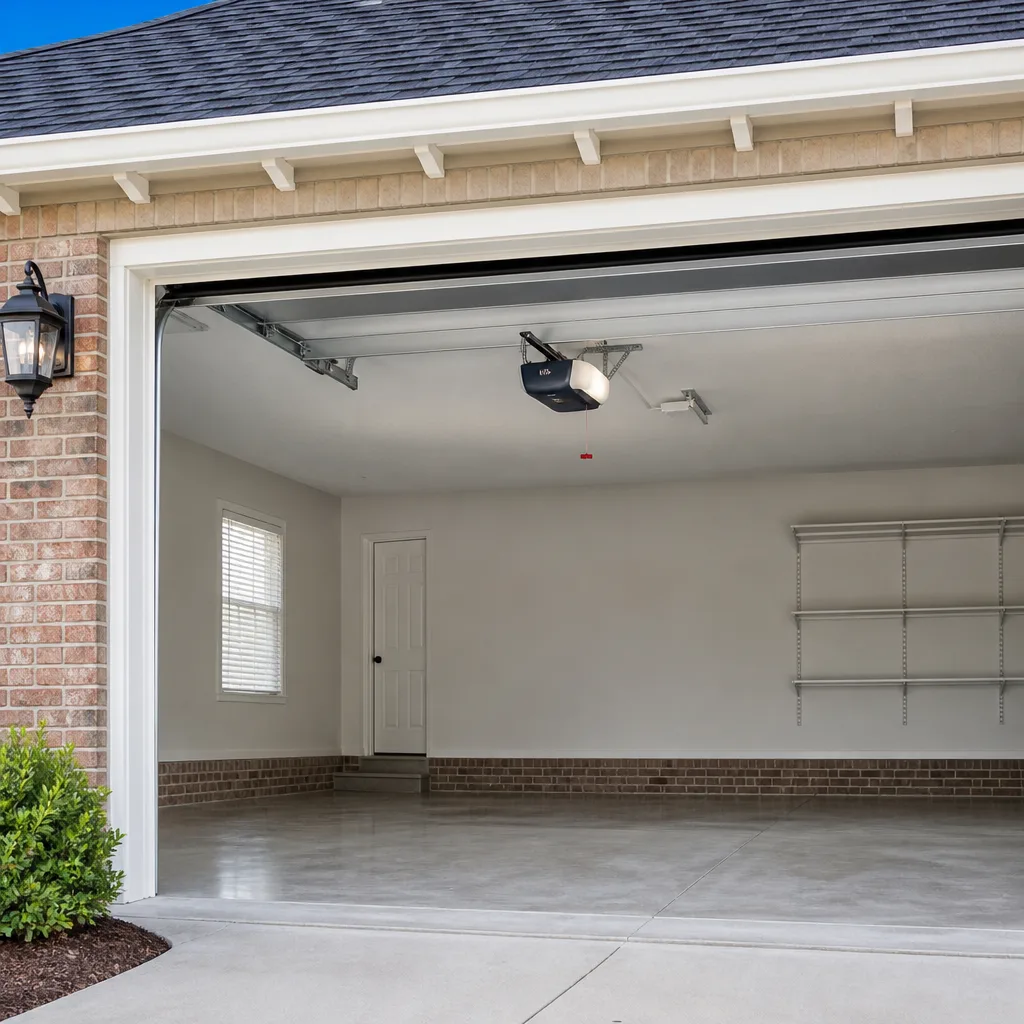 Chamberlain openers
Full 25-point door and opener safety check with every visit - springs, cables, rollers, tracks, and your LiftMaster or Chamberlain opener included
You get a price before we start. It does not change when the truck arrives.
Get your free estimateChoosing the Right Garage Door Brand: A Buyer’s Guide for East Los Angeles
Here’s a fact most brand comparison guides won’t tell you: a garage door with a stellar national reputation can still be the wrong choice if the nearest authorized service tech for that brand is 40 miles away in Orange County and booked out three weeks. In East Los Angeles, we’ve watched homeowners buy doors based on a magazine review, then spend a month waiting for warranty work because the local infrastructure for that brand simply doesn’t exist here. Our Complete Guide to Garage Door in East Los Angeles covers what actually matters when picking a garage door brand for an East Los Angeles home: local parts availability, service density in the 90022 zip code and surrounding areas, material performance in our specific microclimate, and how each brand’s hardware affects long-term repair costs. By the end, you’ll know how to evaluate a brand the way a technician would, not the way a national reviewer does.
Styles & brands we work with
- Raised-panel steel
- Carriage house
- Modern flush
- Full-view glass
- LiftMaster openers
- Chamberlain openers
Quick Answer
The best garage door brand in East Los Angeles is the one with the strongest local service infrastructure, hardware that holds up to our coastal particulate and Santa Ana heat, and material construction matched to your specific street exposure. Among the eight major brands we service daily, Clopay and Amarr offer the most consistent parts availability in East LA, while Chamberlain and Genie lead for opener reliability. The right choice depends more on your garage’s size, opener compatibility, and alley exposure than on any national ranking.
Table of Contents
- Why Local Service Infrastructure Matters More Than Warranty Terms
- How East Los Angeles Weather Affects Door Material Choices
- Spring and Hardware Systems: What Each Brand Does Differently
- Door Weight and Opener Compatibility: The Overlooked Factor
- High-Traffic Alley Exposure: Structural Options That Hold Up
- Brand-by-Brand Breakdown for East Los Angeles Homes
- Common Mistakes to Avoid
- When to Call a Professional
- Frequently Asked Questions
- The Bottom Line
Why Local Service Infrastructure Matters More Than Warranty Terms
Every garage door brand publishes a warranty. What none of them publish is how many technicians in a given area are factory-trained to honor it. That matters more than you’d think. A warranty is only as good as the nearest person certified to perform the work, and in East Los Angeles, service density varies dramatically by brand. Some manufacturers with strong national names have almost no certified service presence in the 90022 corridor. The result: homeowners wait weeks for a warranty repair that another brand’s local network could handle the same day.
Before you buy, ask three questions about any brand you’re considering:
- How many independently owned service companies in East LA carry this brand’s parts? If the answer is one or zero, your warranty claim timeline just got longer.
- Does the brand distribute parts through local supply houses, or only through factory-direct channels? Brands that sell through local distributors mean faster repairs because the spring or panel you need is sitting on a shelf in Commerce or Vernon, not being shipped from a warehouse in Ohio.
- Does the brand authorize independent technicians, or do they require factory-only service? Factory-only service models almost always mean longer wait times in East Los Angeles, where factory-owned service centers are scarce.
In our experience working on doors from eight major manufacturers, the brands with the strongest local parts availability in East Los Angeles are Clopay and Amarr. Both distribute through regional supply houses, which means we can typically source a replacement panel, spring, or track assembly within a day or two rather than a week. That’s the difference between a garage you can secure tonight and one that stays open for a week because the brand’s logistics pipeline runs through a distribution center in another state.
This is also where our Garage Door Repair in East Los Angeles service model becomes relevant. Because we carry parts familiarity across eight brands rather than specializing in one, you’re never hostage to a single manufacturer’s supply chain. Whatever brand is on your door, we know it, and we can usually get the parts locally.
How East Los Angeles Weather Affects Door Material Choices
East Los Angeles has a specific combination of environmental factors that national reviews don’t account for. We get marine layer mornings that leave moisture on metal components, Santa Ana wind events that drive airborne dust and particulate into every crevice, and summer heat that pushes surface temperatures on south-facing garage doors well past 140 degrees. Each of these has a measurable effect on door materials over time.
Steel with proper coating
Steel remains the most common door material in East LA for good reason. But the difference between a door that lasts 15 years here and one that rusts through in 8 is the quality of the factory-applied coating. Clopay’s steel doors use a multi-layer paint system that stands up to the alkaline particulate our Santa Ana winds carry from the high desert. Cheaper steel doors with single-layer paint show rust at the bottom edges within five to seven years, particularly on garages that face east and catch the morning marine layer. If you’re within a few blocks of the 710 corridor or the I-5, airborne particulate is heavier, and coated steel matters even more.
Wood and wood composites
Wood doors are beautiful, and in East Los Angeles they require more maintenance than anywhere else in LA County. The combination of overnight moisture, daytime heat, and airborne grit means a wood door needs resealing every two to three years just to prevent warping. For craftsman-style homes in Boyle Heights or parts of El Sereno, wood composite doors from Amarr offer a practical middle ground: the look of wood with a substrate that doesn’t absorb moisture the way solid wood does. We’ve seen solid wood doors warp badly on west-facing garages that catch full afternoon sun, while wood composites on the same street hold their shape for years longer.
Aluminum with glass
Aluminum and glass doors look modern, but they have a specific weakness in East Los Angeles: heat transfer. A full-view aluminum door on a garage that faces south or west will turn the interior into an oven during a heat wave. That’s not just uncomfortable, it’s damaging to anything stored in the garage. If you like the modern look, ask about thermally broken aluminum frames and insulated glass. The cost difference is real, but so is the temperature difference inside the garage.
Spring and Hardware Systems: What Each Brand Does Differently
Brands don’t just differ in how their doors look. They differ in how their doors are engineered, and those differences determine what repairs cost over the life of the door. Here’s what we see across the brands we service in East Los Angeles:
- Clopay uses a fairly standardized torsion spring system across most residential lines, which means replacement springs are almost always available locally and the labor to install them is predictable. Their hinge and roller hardware is mid-grade, which is fine for typical East LA use but worth upgrading if your door faces an alley with frequent traffic.
- Amarr tends to specify heavier-gauge steel in both the door panels and the hardware than comparable models from other brands. That’s good for durability, but it also means the door weighs more, which has implications for your opener and your springs. We’ll get to that in the next section.
- Chamberlain and Genie are primarily opener brands, and both make reliable motors. The hardware difference that matters most is in their rail systems and drive mechanisms. Chamberlain’s belt-drive units run quieter, which matters if the garage is under a bedroom. Genie’s screw-drive openers from the 2000s are still common in East LA homes, and while they’re loud, many of them are still running 20 years later. That kind of longevity says something.
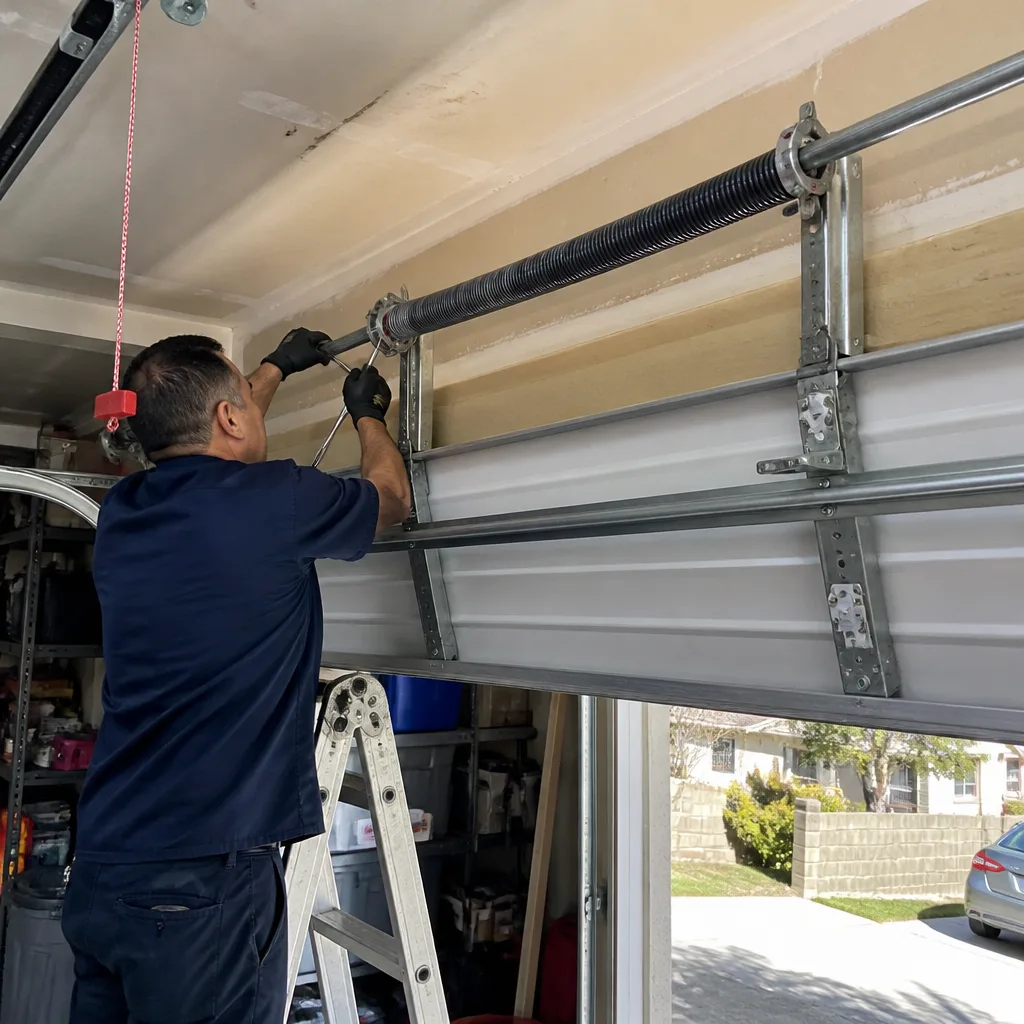
The practical takeaway: before you commit to a brand, ask what the spring cycle rating is. Springs are rated in cycles, not years, and a standard spring is rated for roughly 10,000 cycles, which translates to seven to nine years of typical use in an East Los Angeles household that opens the door three to four times a day. If you want a door that doesn’t need a spring replacement for 15 years or more, ask about high-cycle springs. Not every brand offers them as a standard option, and the upgrade cost is small compared to the inconvenience of a snapped spring at 7 AM when the car needs to get out for work.
Door Weight and Opener Compatibility: The Overlooked Factor
Here’s a scenario we see regularly in East Los Angeles: a homeowner replaces a lightweight, non-insulated door with a beautiful, insulated, double-layer steel door from a premium brand, and three months later the opener dies. The homeowner thinks they bought a defective opener. What actually happened is the new door weighs 80 to 100 pounds more than the old one, and the existing opener was never sized for that load.
This is the most common mistake in garage door replacement, and brand guides almost never mention it. Here’s what to check before you buy:
- Check your current opener’s horsepower. A 1/2 HP opener that worked fine on a lightweight non-insulated door will struggle with an insulated steel door. You need at least a 3/4 HP motor for most insulated doors, and a 1 HP motor for the heaviest models.
- Know the door’s actual weight, not just its thickness. Two-layer and three-layer insulated doors from Amarr and Clopay can weigh 150 to 250 pounds or more for a double-wide. Compare that to the 90 to 120 pounds of a basic non-insulated door.
- Check the opener’s drive type. Chain-drive openers handle heavier doors better than belt-drive units of the same horsepower rating. If you’re keeping your existing opener and the new door is heavy, a chain-drive unit is more forgiving.
- Factor in the spring system. Properly balanced springs can offset a significant portion of the door’s weight, which reduces strain on the opener. But if the springs were sized for a lighter door, the opener carries the difference, and that’s what kills motors.
If you’re replacing both door and opener, the installer should spec the opener to the door’s weight, not just the door’s width. If you’re replacing only the door, we recommend having the spring system recalibrated at the same time. This is standard practice for any competent installer, and it’s part of what we do on every Garage Door Opener Repair in East Los Angeles call where the door itself is being upgraded.
High-Traffic Alley Exposure: Structural Options That Hold Up
Many East Los Angeles garages open onto alleys rather than driveways. That changes the durability equation. An alley-facing door takes more incidental impact from delivery trucks, trash bins, and in some cases, cars that misjudge the turn. A standard door that would last 20 years on a quiet cul-de-sac in Monterey Park might last 10 in an alley off Cesar Chavez Avenue.
If your garage faces an alley, here’s what to look for:
- Heavier-gauge steel. Clopay and Amarr both offer commercial-grade or heavy residential lines with 24-gauge or 25-gauge steel. Standard residential doors are often 27-gauge. The difference in dent resistance is significant.
- Reinforced bottom panels. The bottom panel is the most likely to take hits from trash bins and low-speed bumps. Ask about a reinforced or double-reinforced bottom section.
- Strut supports. A strut is a horizontal reinforcement bar mounted across the inside of a door panel. They add rigidity and reduce the chance of a panel buckling or denting from impact. They’re an inexpensive upgrade and one we recommend on almost every alley-facing door in East Los Angeles.
- Track gauge. Heavier doors require heavier track systems. Ask what gauge the vertical and horizontal tracks are. 14-gauge tracks handle heavy doors better than 16-gauge.
The good news is that most premium door brands offer these options if you know to ask for them. The bad news is that most salespeople don’t bring them up unless the customer does. Now you know.
Brand-by-Brand Breakdown for East Los Angeles Homes
Here’s how the major brands we service in East Los Angeles compare on the factors that matter locally. This isn’t a rehash of national spec sheets. It’s what we see across hundreds of service calls in the 90022, 90023, 90033, and 90063 zip codes.
Clopay
Clopay is the most common residential door brand we encounter in East Los Angeles, and the local parts pipeline is strong. Regional supply houses stock their panels, springs, and hardware, so most repairs happen quickly. Their steel doors with the factory-applied finish hold up well to our marine layer and particulate. Their higher-end insulated lines are heavy, so plan for opener upgrades if you’re coming from a lightweight door. Overall, Clopay is the safest all-around choice for East LA homes because the door itself is good and the local service ecosystem is robust.
Amarr
Amarr builds a heavier, stiffer door than most competitors at the same price point. That extra weight translates to better dent resistance and a more solid feel, but it also means your opener and springs need to be spec’d correctly the first time. Amarr’s wood composite options are a good fit for the craftsman and Spanish-style homes common in East Los Angeles, and the local parts availability is nearly as good as Clopay’s. If your garage faces an alley, Amarr’s heavier construction is worth a close look.
Chamberlain
Chamberlain is an opener brand, and it’s the most common opener we service in East Los Angeles. Their belt-drive units are quiet enough for garages under living space, and the newer smart-home capable models integrate well with the phone-based controls homeowners in this area increasingly expect. One thing to know: Chamberlain’s newer models are more sensitive to misaligned safety sensors than older units, so if your garage has a steep approach or the sensors are positioned near a wall that gets bumped, expect occasional sensor issues. The opener itself is solid.
Genie
Genie openers are less common in new installs here than Chamberlain, but there are plenty of older Genie screw-drive units still running in East Los Angeles homes from the late 1990s and 2000s. That durability is real. The newer Genie belt-drive models are quieter and more feature-rich, but they don’t have the same local service density as Chamberlain in the 90022 area. If you already have a Genie opener and it’s working, our advice is usually to keep it running with proper maintenance rather than replacing it. The Preston Garage Door Repair home service model covers Genie parts and service without the need to switch brands.
The eight brands we cover
For a complete picture: we service LiftMaster, Chamberlain, Genie, Clopay, Amarr, Wayne Dalton, Craftsman, and Raynor. That’s eight brands, one call. We built our service model around this breadth because East Los Angeles homes are a mix of everything. The house on one side of the street has a 1988 Craftsman opener still grinding away, and the house on the other side has a smart LiftMaster that opens from a phone app. Most companies pick one or two brands and steer you toward what they know. Our approach is different: whatever is on your garage, we diagnose it honestly and fix it correctly, because we’re factory-familiar with all eight.
Common Mistakes to Avoid
- Buying based on national reviews instead of local parts availability. A brand can top every national ranking and still have a thin service network in East Los Angeles. Check who actually carries parts and does warranty work in the 90022 area before you commit.
- Ignoring door weight when keeping an older opener. If your existing opener is a 1/2 HP unit from the early 2000s, it won’t handle a hefty insulated door. Either upgrade the opener or choose a lighter door. Don’t find out the hard way three months after the install.
- Choosing a wood door for an east-facing garage without budgeting for maintenance. The marine layer moisture in East LA accelerates wood door deterioration. Unless you’re committed to resealing every two to three years, choose a wood composite or coated steel instead.
- Not accounting for Santa Ana particulate. Airborne dust from the high desert settles on garage door tracks and rollers, especially during fall wind events. Cheaper doors with unsealed rollers and lighter-gauge tracks wear faster. Spend a little more on sealed or upgraded rollers if you’re in a high-particulate area near the freeways.
- Dismissing spring cycle ratings as sales talk. A 10,000-cycle spring is a real thing. It means you’ll be replacing springs in seven to nine years. High-cycle springs cost marginally more and last twice as long. For a door that gets used four or more times a day in East LA, high-cycle springs are a straightforward financial decision.
- Skipping the on-site opener compatibility check. The installer should verify that your existing opener can handle the new door’s weight before the door goes on the tracks. If they don’t mention it, ask. If they can’t answer, find a different installer.
When to Call a Professional
Some parts of this decision you can make on your own. Others require a technician’s eyes and measurement tools. Call a professional if you’re unsure about your opener’s horsepower and whether it can handle the new door you’re considering. Call if your garage door is more than 15 years old and the tracks may not accommodate a newer, thicker door. Call if you’re planning a full door replacement and need an honest assessment of whether the springs, tracks, and opener can all work together. And call if you’ve already bought a door and want it installed correctly with the spring system calibrated to the actual weight. Garage Door Installation in East Los Angeles is one of our core services, and we spec every component to the door being installed, not to a generic formula. The price is quoted and agreed before any work starts, and the estimate is free.
Preston Garage Door Repair offers free estimates in East Los Angeles. Call (833) 573-5280.
Frequently Asked Questions
For most East Los Angeles homes, Clopay offers the best combination of local parts availability, good build quality, and strong performance in our marine layer and particulate conditions, while Amarr is the better pick if you have an alley-facing garage and want heavier construction. The best brand is ultimately the one with service infrastructure near your zip code and hardware that fits your specific door weight and opener. For deeper guidance, see The Complete Garage Door Repair Guide for East Los Angeles Homeowners.
Chamberlain belt-drive openers are the most common and most consistently reliable openers we service in East Los Angeles, but many older Genie screw-drive units from the 1990s and 2000s are still running fine today. If your existing opener is working, we generally recommend maintaining it rather than replacing it. Call (833) 573-5280 for an honest assessment.
A basic non-insulated steel door for a single-car garage in East Los Angeles typically runs $700 to $1,200 installed, while insulated double-car doors start around $1,500 and go up to $4,000 or more for premium models with reinforced panels and upgraded hardware. The exact price depends on the door’s size, material, insulation level, and whether your existing track and opener can be reused. Call (833) 573-5280 for a free, written estimate before any work begins.
We service eight major brands: LiftMaster, Chamberlain, Genie, Clopay, Amarr, Wayne Dalton, Craftsman, and Raynor. That covers the vast majority of doors and openers already installed in East Los Angeles homes. Whatever brand is on your door, we know it, and we don’t push unnecessary replacements.
It depends on the opener’s horsepower and the weight of the new door. A 1/2 HP opener that worked with a lightweight non-insulated door will likely struggle with an insulated steel door that weighs 80 to 100 pounds more. We check opener compatibility on every installation and will tell you honestly if the openers needs to be upgraded or if the springs can be recalibrated to handle the load.
Standard single-door installation typically takes four to six hours, including removal of the old door, track inspection, and spring calibration to the new door’s weight. Custom or oversized doors, and cases where the track system needs to be re-engineered for an alley-facing garage, can take longer. We schedule installations in advance and give you a written price before we start, so there are no surprises.
The Bottom Line
Picking a garage door brand in East Los Angeles isn’t about whatever tops a national list. It’s about local parts availability, hardware that holds up to our specific weather, and construction built for how your garage actually gets used. Clopay and Amarr offer the strongest local service infrastructure and the best material options for this area. Chamberlain and Genie make openers that run reliably for years when they’re spec’d to the door’s weight. And the eight brands we service cover nearly every door and opener already on East LA homes. The right solution for your system starts with an honest assessment. If you’re not sure where to start, explore our more guides & resources or call us. The estimate is free, and we’ll tell you what your door actually needs, not what’s easiest to sell.
Written by the team at Preston Garage Door Repair, serving East Los Angeles since 2018.
See the difference
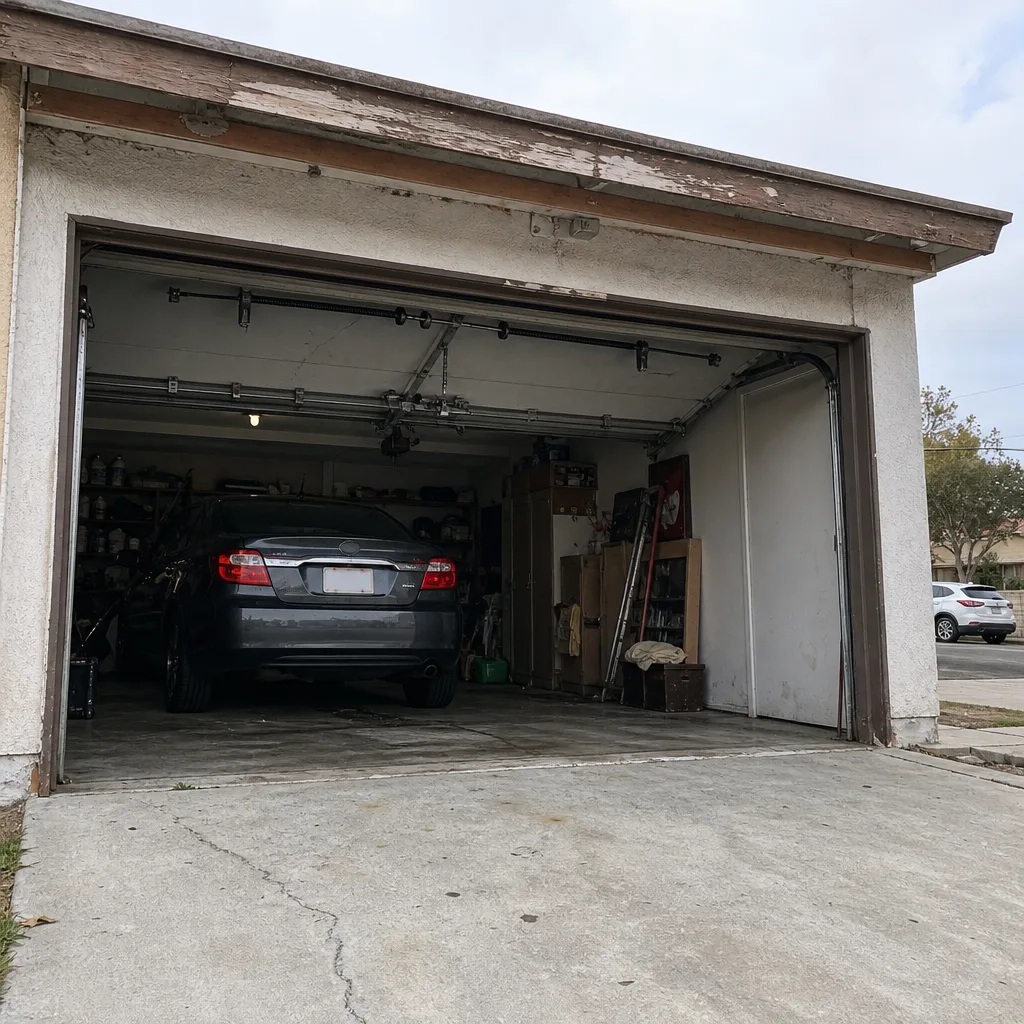 Before
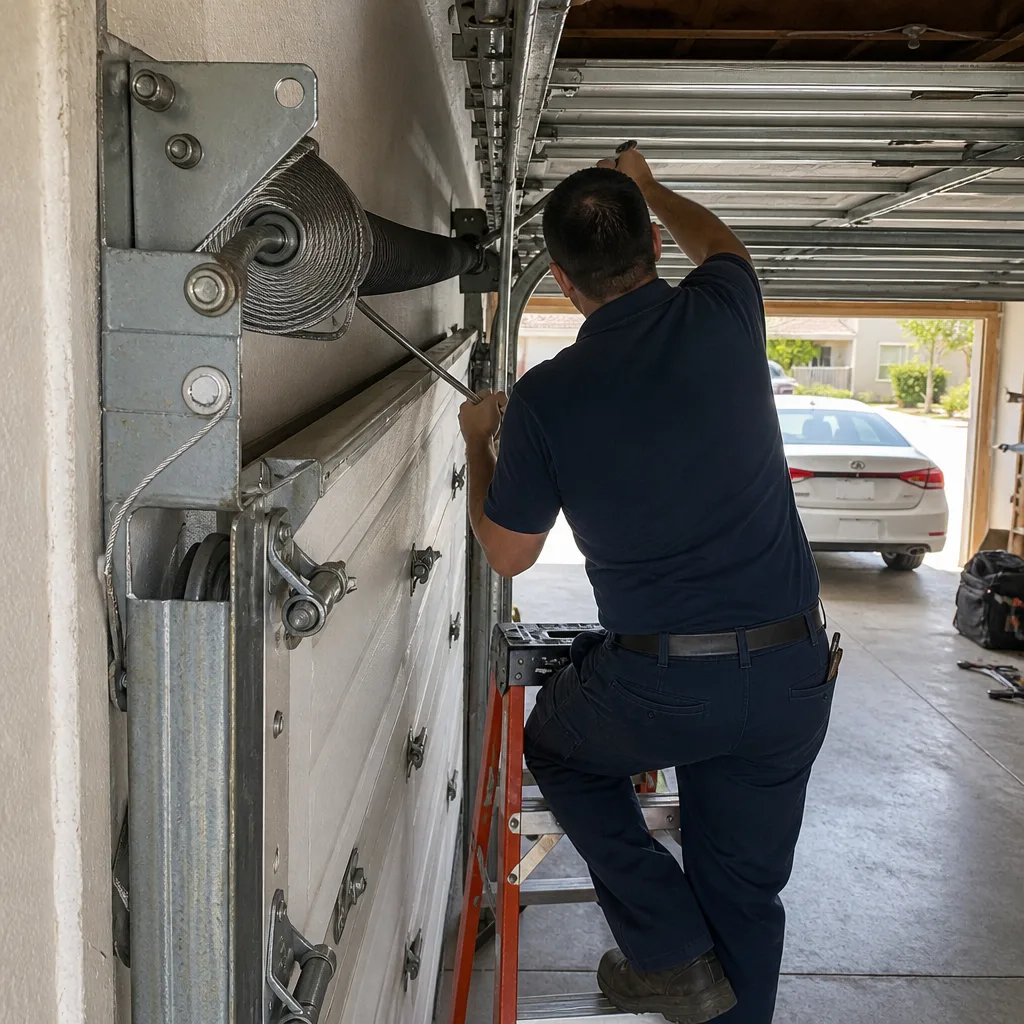 After
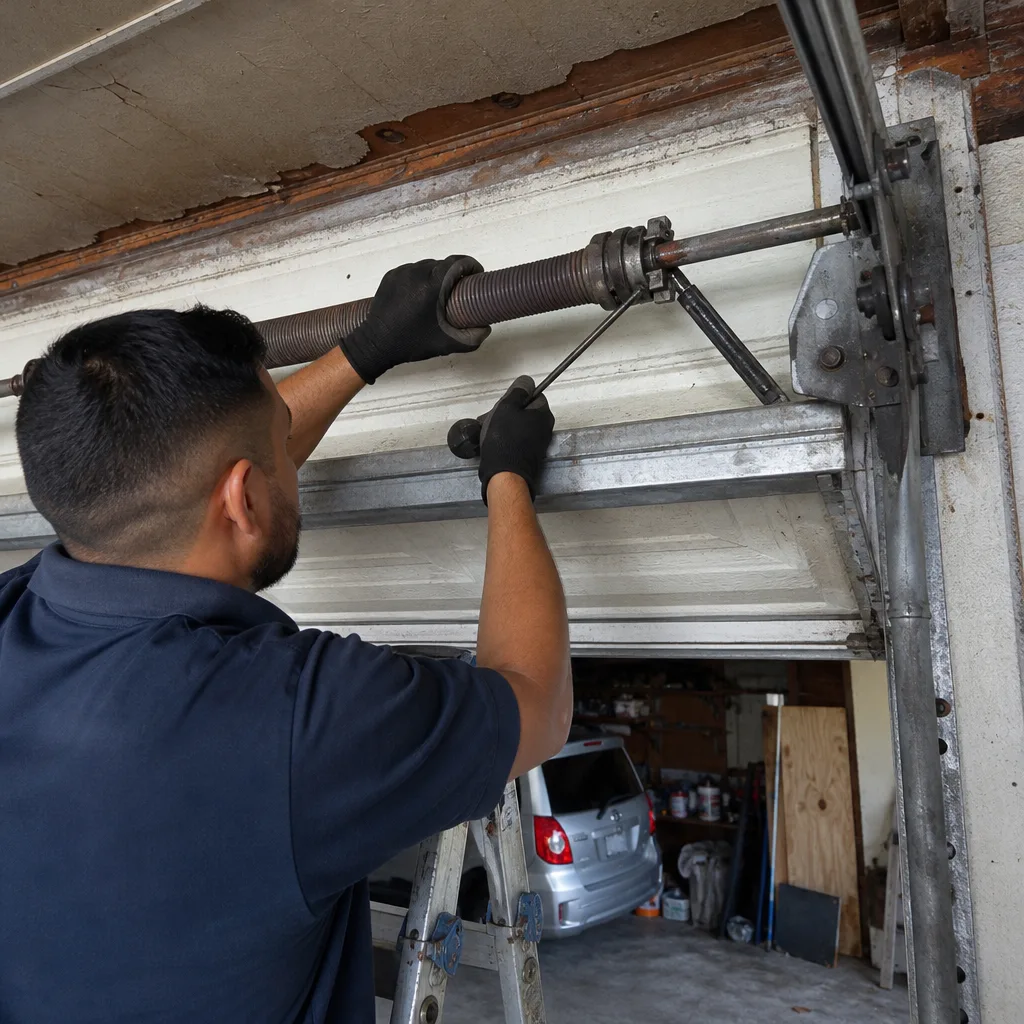 Before
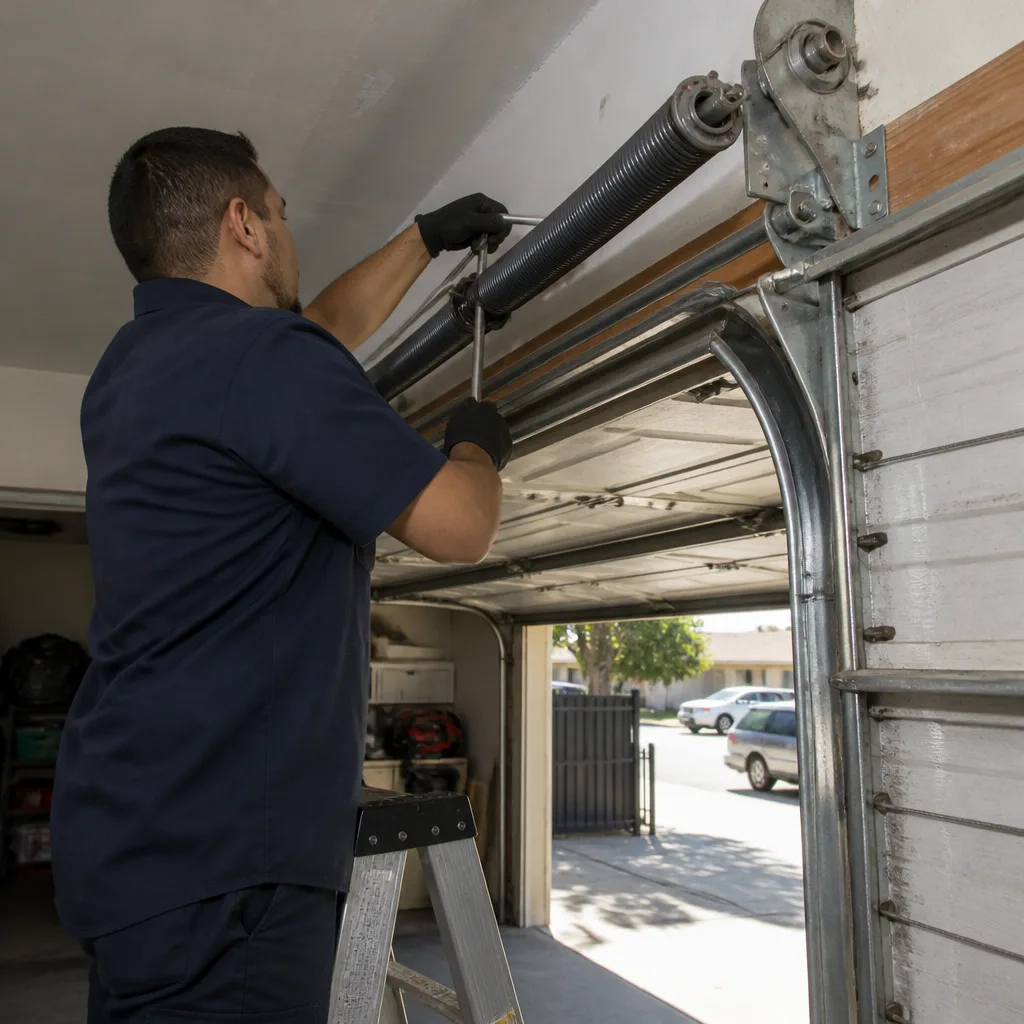 After
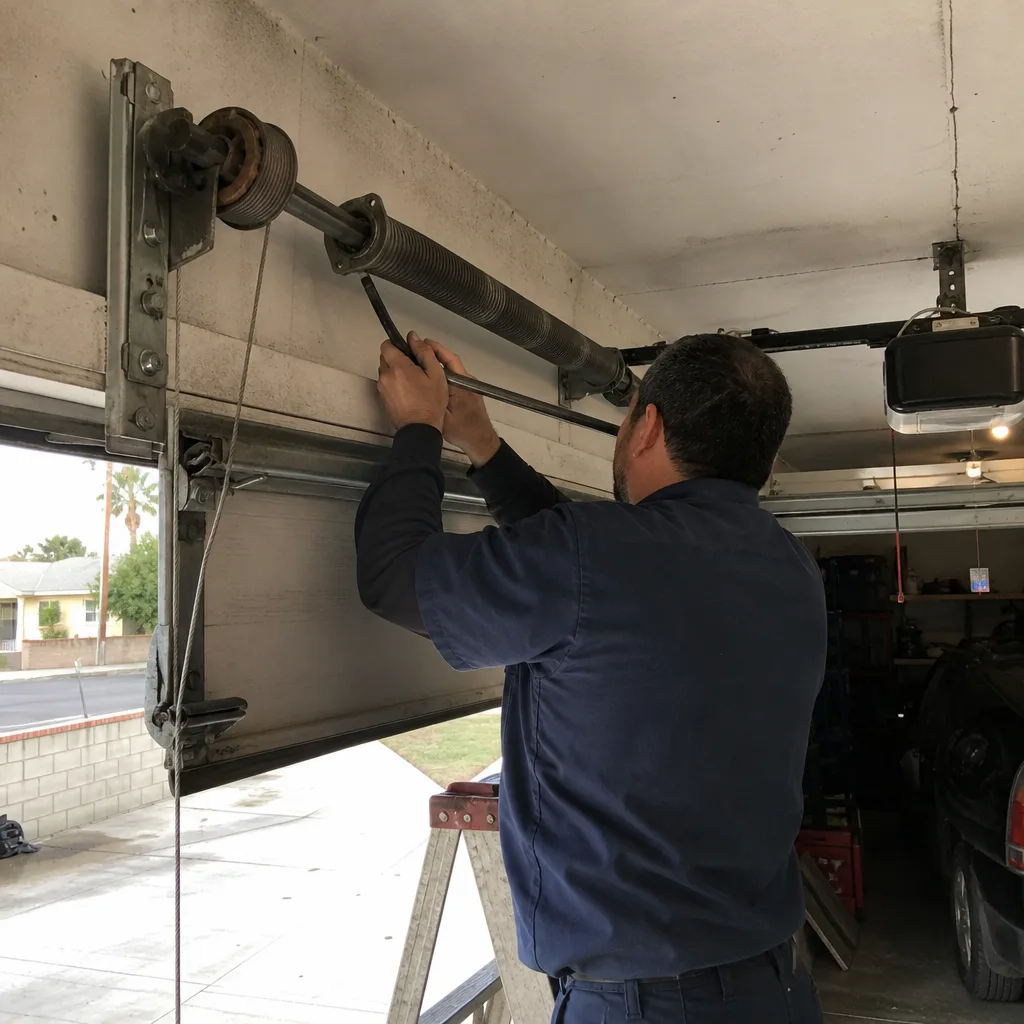 Before
 After